filter_list Showing 9 results for "ayan farah" close Clear
dashboard All 9 museum exhibitions 4article news 4trending_up market 1
date_range Range Today This Week This Month All
Subscribe

The 10 Best Booths at Art Basel 2025

Art Basel 2025 opened on June 17 with its VIP preview at Messeplatz in Basel, Switzerland, under intense heat. The 55th edition of the fair features 289 galleries from 42 countries, including 19 newcomers, and introduces a new Premiere section for mid-sized galleries showing recent works. Despite a challenging art market, the VIP day saw packed booths, international crowds, and strong sales of six- and seven-figure works, with dealers expressing optimism. The fair also includes returning sections like Statements and Feature, plus Art Basel Unlimited for monumental works, alongside concurrent events such as Liste Art Fair and museum shows by Jordan Wolfson and Steve McQueen.
A Time of Transition

During the preview week of the 61st Venice Biennale, escalating protests targeted the national pavilions of Israel and Russia, with demonstrations by Pussy Riot, ANGA (Art Not Genocide Alliance), and Baltic pavilions. A major protest on May 8 drew over 3,000 people in solidarity with Palestine, and 27 national pavilions—including Austria, the Netherlands, France, and Japan—staged a strike, the first at the Biennale since 1968. The Golden Lion jury resigned after declaring they would not consider countries under ICC investigation (Israel and Russia), and the Biennale administration replaced the prize with a visitors' award, from which half the artists in the main exhibition have withdrawn.

Art Basel 2025: Masterpieces, new galleries, and swimming the Rhine

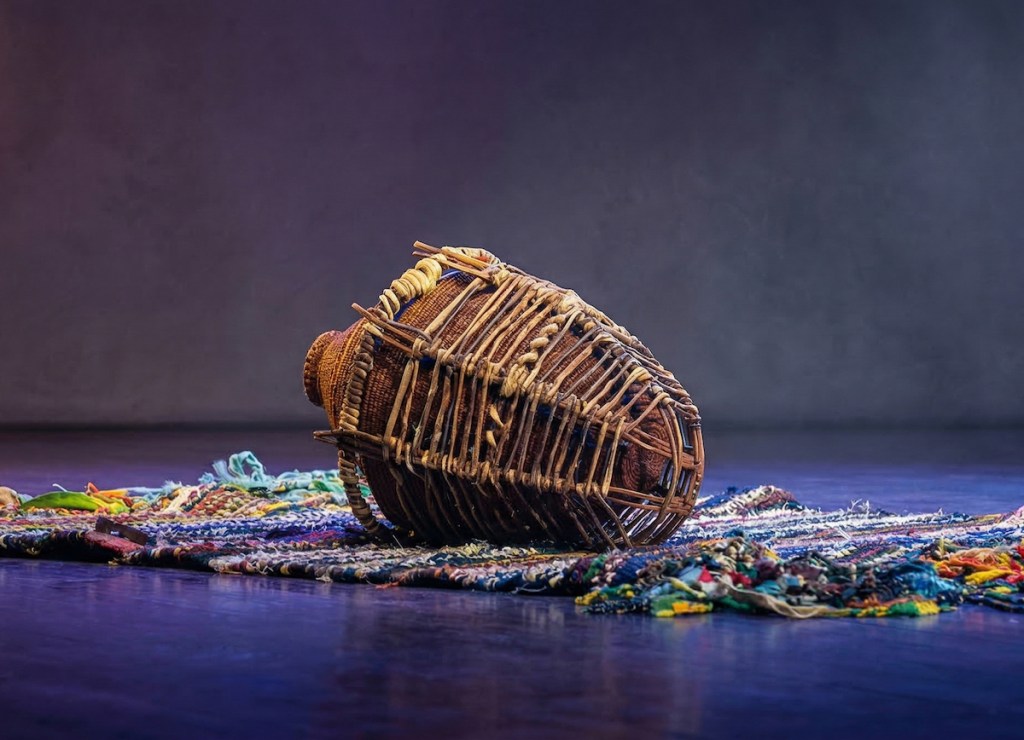
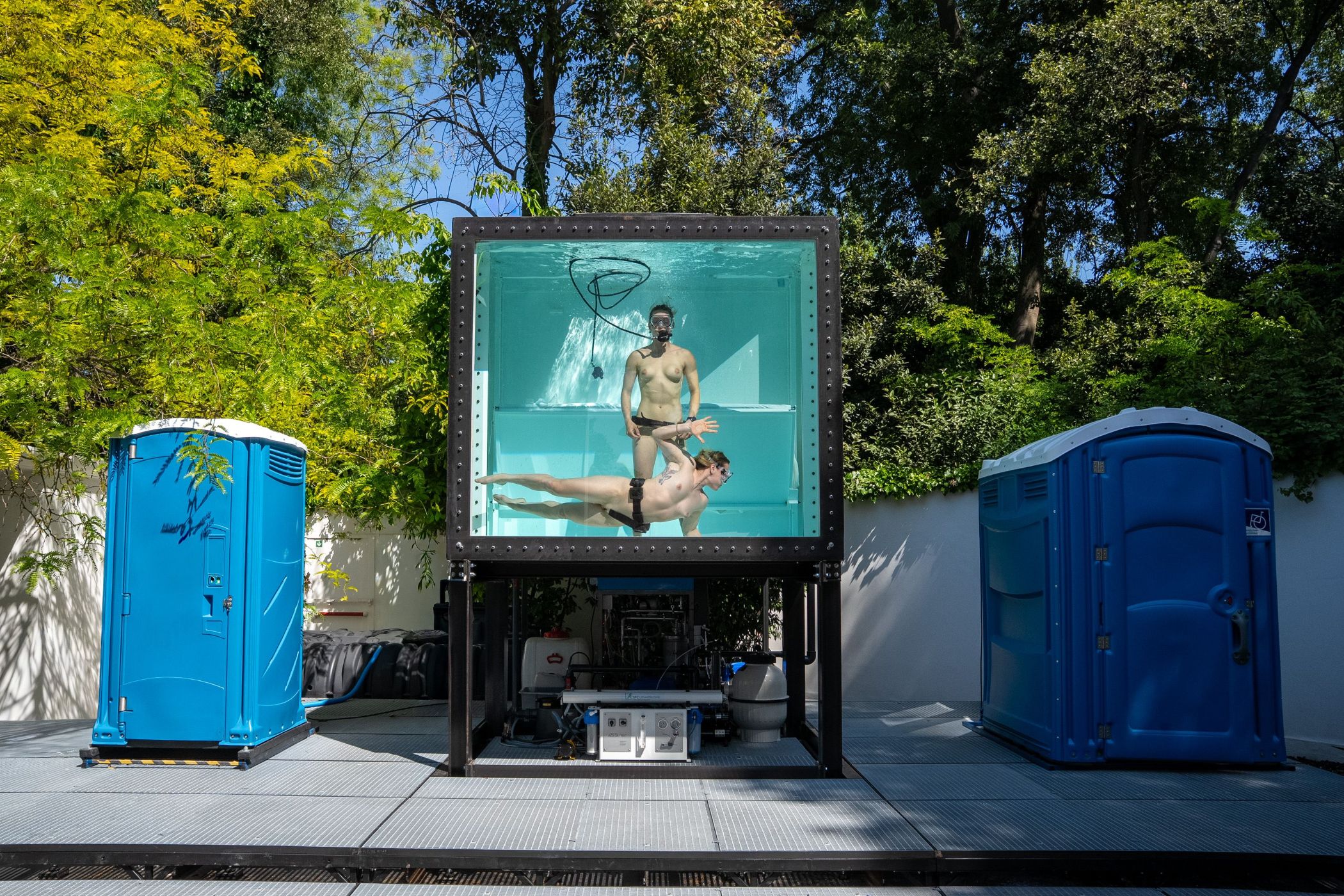
Art Basel 2025 will feature a large-scale public artwork by Katharina Grosse transforming Basel's Messeplatz, along with a new sector called Premiere for mid-career galleries, the inaugural Art Basel Awards, and 20 first-time exhibitors. Director Maike Cruse highlights major works on offer, including a late-career Pablo Picasso painting at Pace, a Joan Mitchell abstract at Pace, Helen Frankenthaler's 'Swan Lake I' at Yares Art, Leonora Carrington's rare triptych at Di Donna Galleries, and a Heidi Bucher latex imprint at Lehmann Maupin. The Unlimited sector will present 67 monumental works, including Martin Kippenberger's 'Transportable Subway Entrance' and daily performances by Cairo-based dance collective nasa4nasa.

Artists Criticize Somalia’s First-Ever Venice Biennale Pavilion: ‘This Pavilion Does Not Speak for Us’

Somalia's inaugural pavilion at the Venice Biennale has sparked significant backlash from the nation's domestic art community. Four major Somali art spaces and nine local artists issued a joint statement criticizing the pavilion for failing to include or consult artists currently living and working within Somalia. The controversy centers on the selection of three diaspora artists based in Europe and the appointment of a Venice-based co-curator, which critics argue ignores the cultural workers who have rebuilt the country's art scene under difficult conditions.

Ayan Farah and Asmaa Jama on Representing Somalia at the 61st Venice Biennale

Ayan Farah and Asmaa Jama, two of the three artists representing Somalia at the 61st Venice Biennale (2026), discuss their plans for the national pavilion in an interview with ArtReview. Farah will present an installation of large-scale embroidered landscape paintings using clay pigment sourced from Somalia and shell-derived pigment from Scotland, alongside silk paintings exploring time and nature. Jama will focus on the Somali poetry form saddexleey, creating a sensorial experience through moving image, installation, and visual artworks that draw on magical realism and cinematic surrealism. The pavilion is located in the Palazzo Caboto, and the third representative is poet Warsan Shire.

Wer vertritt wen in Venedig?

Somali artists and culture workers express concern over Somalia Pavilion in Venice

Somali artists, cultural workers, and organizations have published multiple open letters and statements expressing concern over the Somalia Pavilion at the Venice Biennale. The pavilion, announced in March for the 2026 edition, is titled 'SADDEXLEEY' and features Somali-Swedish artist Ayan Farah, Somali-Danish poet and filmmaker Asmaa Jama, and Somali-British writer Warsan Shire, curated by Stockholm-based Mohamed Mire and Italian project manager Fabio Scrivanti. Critics, including the Somali Arts Foundation and the queer collective Warbixinta Cidda, allege that the pavilion was organized without meaningful consultation of artists and organizations based in Somalia, and object to the appointment of an Italian co-curator given Italy's colonial history in Somalia. An anonymous open letter further alleges intimidation and coercive pressure against critics, and demands Scrivanti's removal, calling for a boycott if demands are not met.

Somali Cultural Organizations Unhappy With Somalia Pavilion at the Venice Biennale

Somali artists and cultural organizations are protesting the Somalia pavilion at the 2024 Venice Biennale, arguing it excludes artists based in Somalia and relies on diaspora figures and an Italian co-curator, which they view as colonial. The Somali Arts Foundation issued a statement condemning the lack of consultation, while the queer arts collective Warbixinta Cidda criticized the appointment of Italian curator Fabio Scrivanti. Somali American poet Ladan Osman boycotted the pavilion, calling it "anti-indigenous."

On the Somalia Pavillion

At the 2026 Venice Biennale, Somalia has established its first-ever national pavilion, commissioned by the Somali government to showcase the richness of Somali culture through the theme of Saddaxleey, a triadic form of Somali poetry and proverbs. The pavilion features works by Somali Swedish artist Ayan Farah, UK-based Somali Danish multidisciplinary artist Asmaa Jama, and Somali British poet Warsan Shire. However, a collective of queer Somali artists, curators, and culture workers called Warbixinta Cidda has publicly criticized the pavilion for overrepresenting the diaspora, selecting an all-male advisory board, and appointing an Italian co-curator instead of Somali curators, raising concerns about representation and neocolonialism.