
filter_list Showing 3 results for "berlin 1910-1930" close Clear
search
dashboard All 3 museum exhibitions 3
date_range Range Today This Week This Month All
Subscribe

10 must-see exhibitions in Berlin this spring 2026

10 mostre da vedere a Berlino in questa primavera 2026

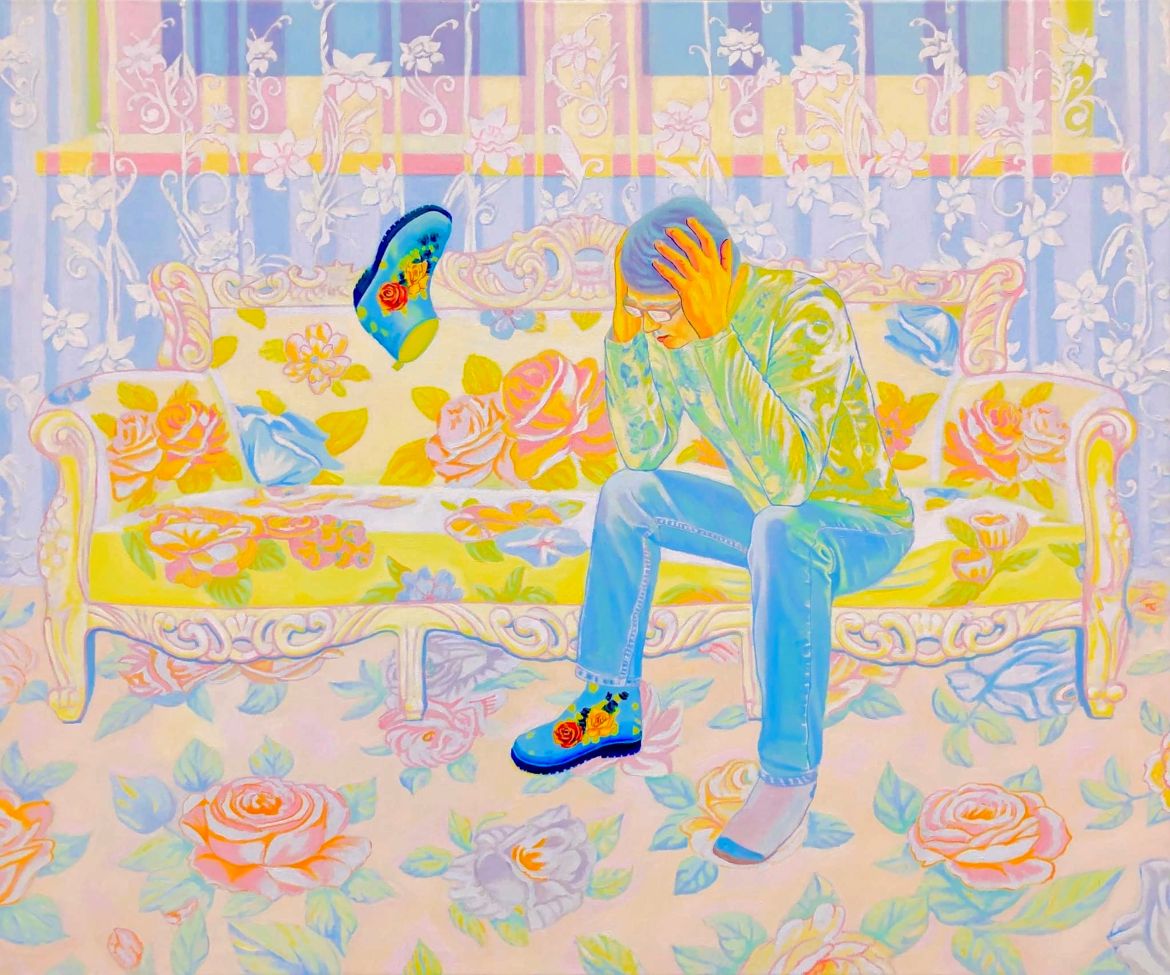
Artribune's article highlights ten must-see exhibitions in Berlin for spring 2026, curated by Nicola Violano. Key shows include Marina Abramović's "Balkan Erotic Epic" at Gropius Bau, exploring Balkan ritual, body, and sexuality; Giulia Andreani's "Sabotage" at the Nationalgalerie der Gegenwart, which uses near-monochrome painting to critique historical narratives; and Shilpa Gupta's "What Still Holds" at the same venue, reflecting on borders and fragility in dialogue with Joseph Beuys. The selection spans major museums and galleries, emphasizing conceptual depth over pure aesthetics.
Where to go this weekend?

Wohin am Wochenende?

This week's art tips from Monopol magazine highlight exhibitions and events across Germany and Europe. In Berlin, the Helmut Newton Museum reopens with a new immersive film space and a fresh presentation of its collection, while the Neue Nationalgalerie showcases Ernst Ludwig Kirchner's iconic painting "Potsdamer Platz" in the exhibition "Ruin und Rausch. Berlin 1910-1930." In Bozen, Chinese artist Evelyn Taocheng Wang presents new works at Museion, blending painting, textiles, and installation. The Art Brussels fair returns with a reduced lineup of 138 galleries, focusing on Belgian and neighboring markets. In Duisburg, Anish Kapoor receives the Wilhelm-Lehmbruck Prize, accompanied by a solo exhibition at the Lehmbruck Museum.

How much Berlin fits on 230 square meters?

Wie viel Berlin passt auf 230 Quadratmeter?

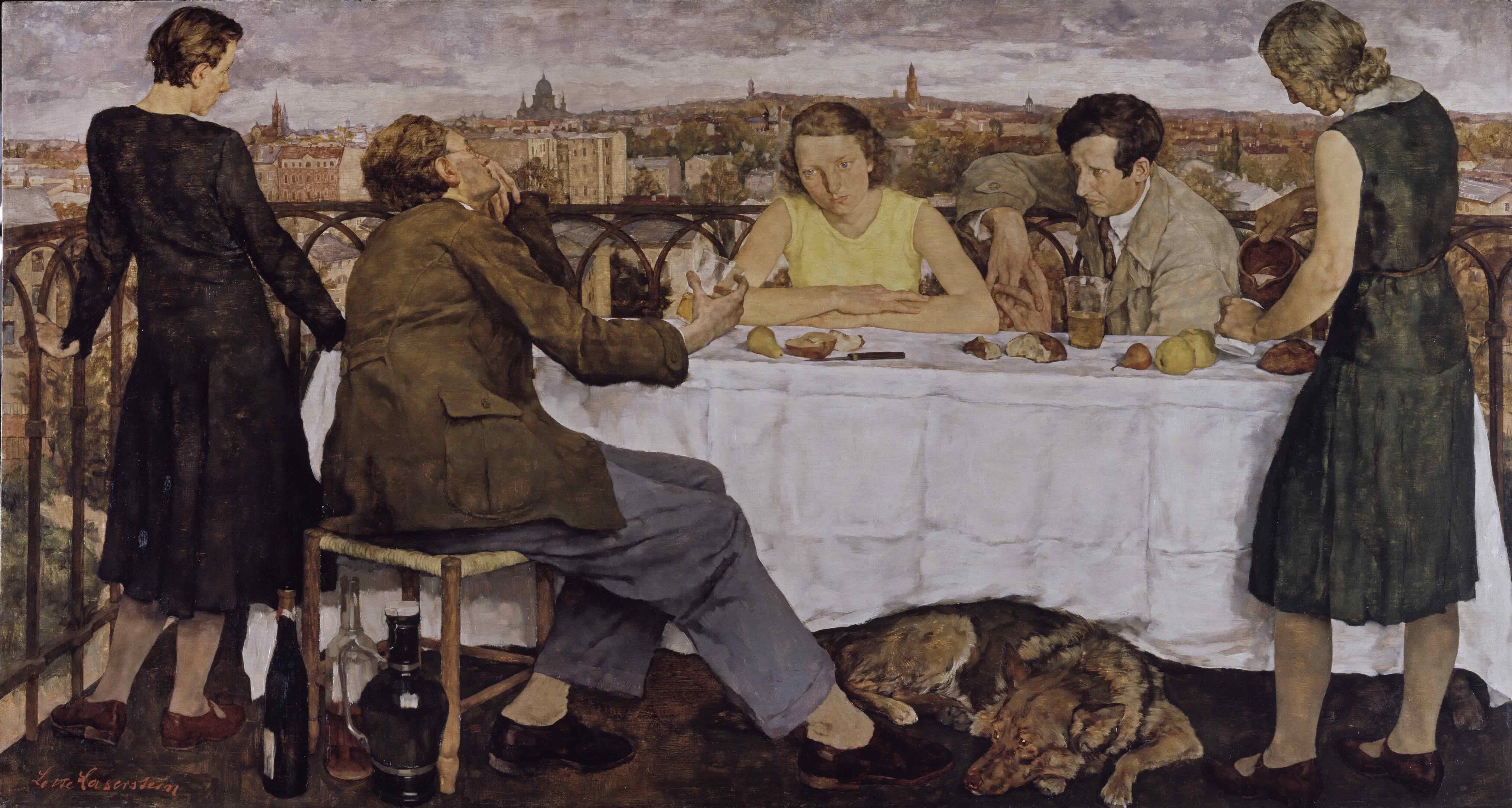
The Neue Nationalgalerie in Berlin has opened a compact exhibition titled "Ruin und Rausch: Berlin 1910–1930," featuring 35 works across just 230 square meters in a side cabinet of the lower floor. The show uses paintings, sculptures, film clips, and audio poems to tell the story of Berlin between World War I and the Nazi takeover, contrasting themes of excess and poverty, emancipation and extremism. It is structured in three chapters: "Berlin im Taumel" (Berlin in Frenzy), "Schatten der Großstadt" (Shadows of the Big City), and "Die Urbane Frau" (The Urban Woman), with works by artists such as Ernst Ludwig Kirchner, Otto Dix, and Otto Nagel.