filter_list Showing 6 results for "billie zangewa" close Clear
dashboard All 6 museum exhibitions 3article news 2candle obituary 1
date_range Range Today This Week This Month All
Subscribe

koyo kouoh remembered 2643870

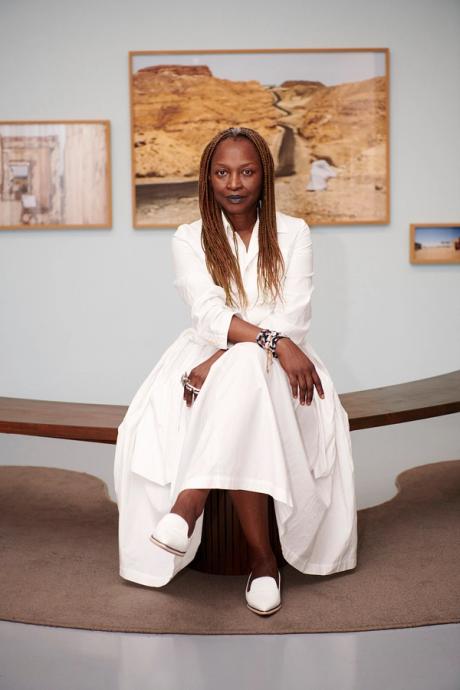
Koyo Kouoh, the acclaimed Cameroonian-born curator and director of the Zeitz Museum of Contemporary Art Africa (Zeitz MOCAA) in Cape Town, has died at age 57 after a battle with cancer. Tributes pour in from artists Robin Rhode and Julie Mehretu, curator Azu Nwagbogu, and colleagues like Mandla Sibeko, who mourn the loss of a towering figure in African and global contemporary art. Kouoh was also set to serve as artistic director of the 2026 Venice Biennale, making her the first African woman to hold that role.
In Minor Keys: how Venice's international exhibition was brought to life after the death of artistic director Koyo Kouoh

The 61st Venice Biennale's international exhibition, titled "In Minor Keys," was realized after the sudden death of its artistic director, Koyo Kouoh, in May 2025. A team of five of Kouoh's collaborators, known as "la squadra di Koyo Kouoh," worked with her before her death and finalized the exhibition's themes, artist list, and scenography. The exhibition features 111 invited artists, duos, collectives, and artist-led organizations, with the team emphasizing that this remains Kouoh's vision rather than a replacement.

Masterpieces of Art Modeled and Printed in Ultra-High Definition: The Challenge Met by LITO

Des chefs-d’œuvre de l’art modélisés et imprimés en très haute définition : le défi relevé par LITO

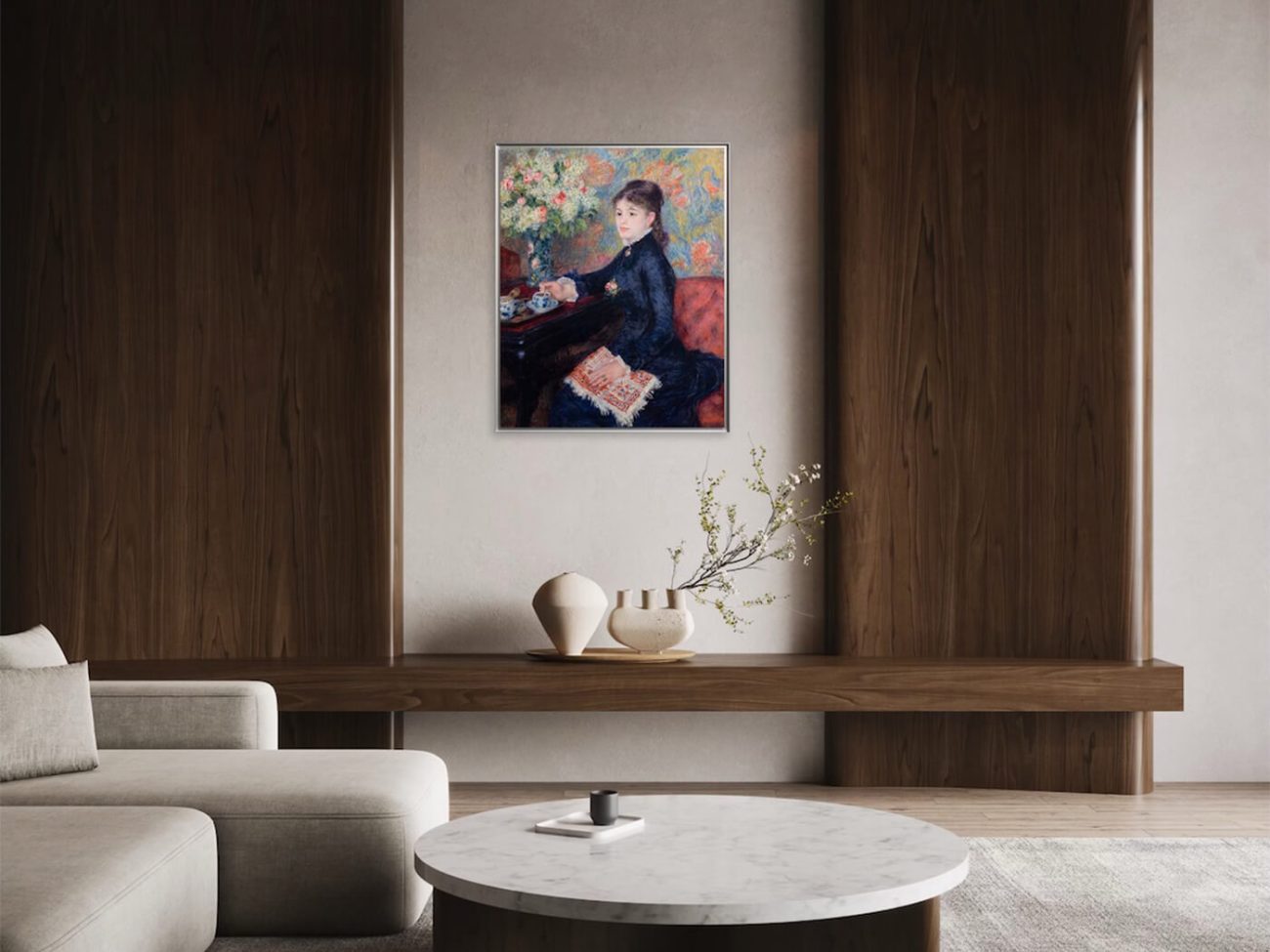
Beaux Arts Magazine partnered with the Austrian printing and publishing company LITO to stage a challenge at its 500th-issue launch party. Guests were asked to identify the authentic 15th-century painting by Giovanni Bellini's circle from among four seemingly identical works, three of which were ultra-high-definition reproductions created by LITO. The company's patented modeling and printing technology replicates the texture of brushstrokes, varnish sheen, canvas grain, and even craquelure with unprecedented precision.

Art and politics clash at Venice Biennale, as world conflicts upstage exhibition's opening

The 61st Venice Biennale, the world's most prestigious art exhibition, opens under unprecedented turmoil. For the first time, its vision was shaped by the late Cameroonian curator Koyo Kouoh, who centered artists from Africa and its diaspora. However, political conflicts over Russia and Israel have overshadowed the art. All five jurors resigned after the Italian culture minister investigated their decision to withhold prizes from Russia and Israel over alleged crimes against humanity. Protests erupted at the Russian pavilion, with Pussy Riot activists denouncing Russia's participation, while the Israeli pavilion artist threatened legal action over the jury's snub. The Biennale will proceed without a jury, with visitors voting for two awards, and the fate of the Golden Lion remains uncertain.

Our Favorites of the Main Exhibition

Unsere Favoriten der Hauptausstellung

The article highlights standout artists from the main exhibition of the Venice Biennale, focusing on those whose works range from quiet observations of daily life to broader explorations of identity, memory, and community. Among them is Billie Zangewa, a Malawian-born artist based in Johannesburg, who uses raw silk to stitch intimate domestic scenes such as a morning in a bathrobe or a child in arms, transforming overlooked moments into tactile, narrative artworks.

In Minor Keys: The 61st Biennale di Arte Venezia Opens Under Koyo Kouoh (1967–2025).

The 61st Biennale di Arte Venezia opens under the posthumous curatorial vision of Koyo Kouoh (1967–2025), the late Cameroonian-born curator who reshaped contemporary African and diasporic art discourse. The central exhibition, spanning the Giardini and Arsenale, features 111 participants including artists, collectives, and artist-led organizations from across the Global South, with works in textiles, film, sculpture, and performance that interrogate colonialism, migration, and ecological repair. The Biennale is also marked by a pronounced presence of African and diasporic narratives across national pavilions, including several first-time pavilions from the African continent.