
filter_list Showing 3 results for "blanca de la torre" close Clear
search
dashboard All 3 article culture 1museum exhibitions 1person people 1
date_range Range Today This Week This Month All
Subscribe

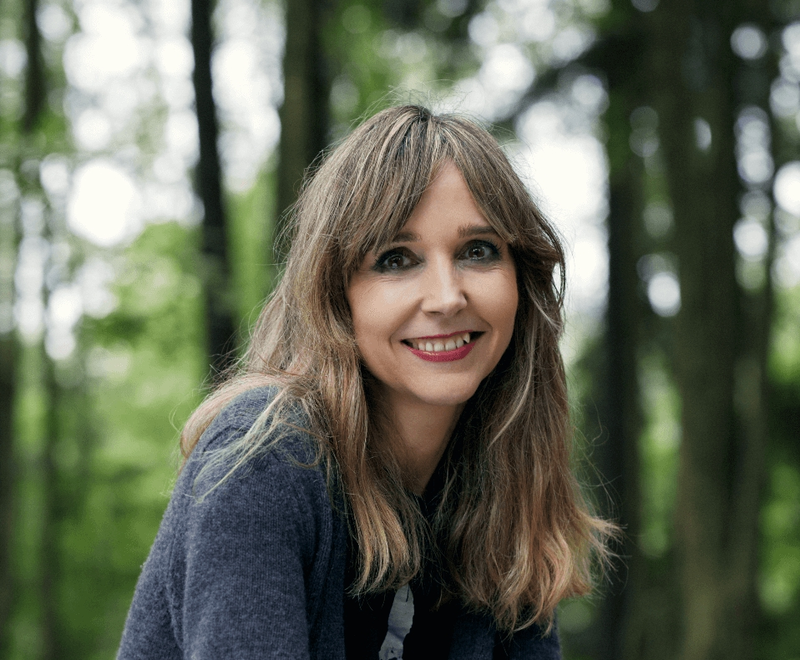
BLANCA DE LA TORRE Y EL “MUSEO ANFIBIO”: “A MÍ ME INTERESA EL PÚBLICO, NO NECESARIAMENTE LAS MASAS”

Blanca de la Torre, director of the Institut Valencià d’Art Modern (IVAM), discusses her concept of the "Museo Anfibio" (Amphibious Museum) in an interview for Artishock Revista's series on Ibero-American museum leaders. She proposes reimagining the museum as a relational institution that mediates between physical and symbolic territories, communities, and ecosystems, structured around two axes: Territories-Earth and Aquatic Environments. The interview is part of a series leading up to International Museum Day, with previous entries including Nicolás Gómez Echeverri of the Banco de la República de Colombia.
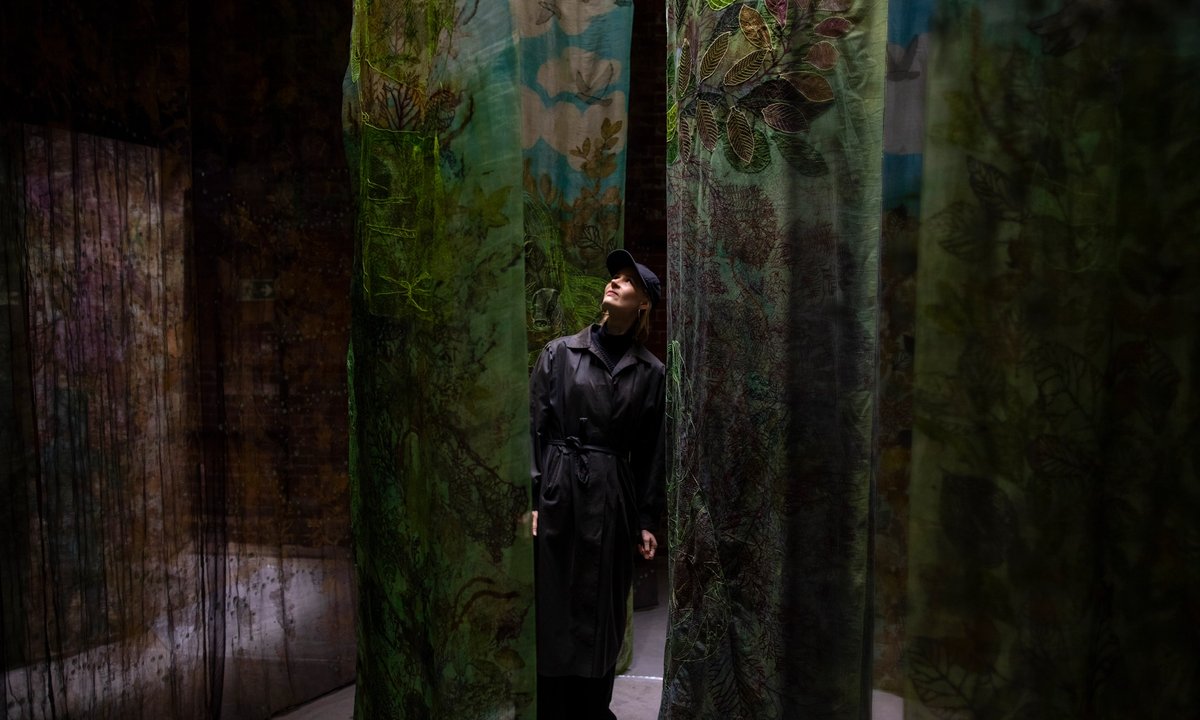
It's hard for green-themed art shows to garner credibility—the Helsinki Biennial deserves more than most

The Helsinki Biennial's third edition, titled "Shelter: Below and beyond, becoming and belonging," opens on Vallisaari Island, featuring 37 artists and collectives. Co-curated by Blanca de la Torre and Kati Kivinen, the biennial deliberately shifts focus away from humans, centering instead on flora, fauna, and the natural environment under the slogan "Non-humans first!" The event continues its founding commitment to carbon neutrality by 2030, employing measures like a carbon footprint calculator, promotion of slow travel, and rejection of artificial lighting to protect local bat populations.

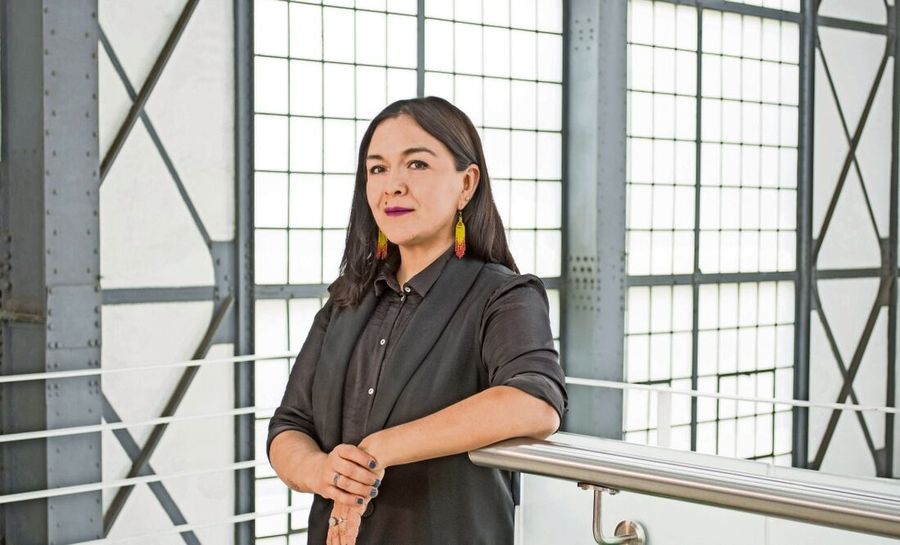
SOL HENARO: “BAJAR LA VELOCIDAD ES POLÍTICO Y, AUNQUE CUESTA MUCHO, HAY QUE SEGUIR INTENTÁNDOLO”

Sol Henaro, director of the Museo Universitario del Chopo in Mexico City, argues in an interview for Artishock Revista that museums must resist neoliberal pressures to accelerate production, spectacularize content, and convert cultural experience into immediate consumption. She advocates for the museum as a space of plurality, deceleration, and critical thought, emphasizing the need for horizontal, careful practices that allow for dissent and coexistence. The interview is part of a series on International Museum Day featuring directors from Latin American and Ibero-American institutions.