filter_list Showing 7 results for "body diversity" close Clear
dashboard All 7 museum exhibitions 7
date_range Range Today This Week This Month All
Subscribe

Met Museum show at new Costume Institute puts fashion in same spotlight as Egyptian artefacts

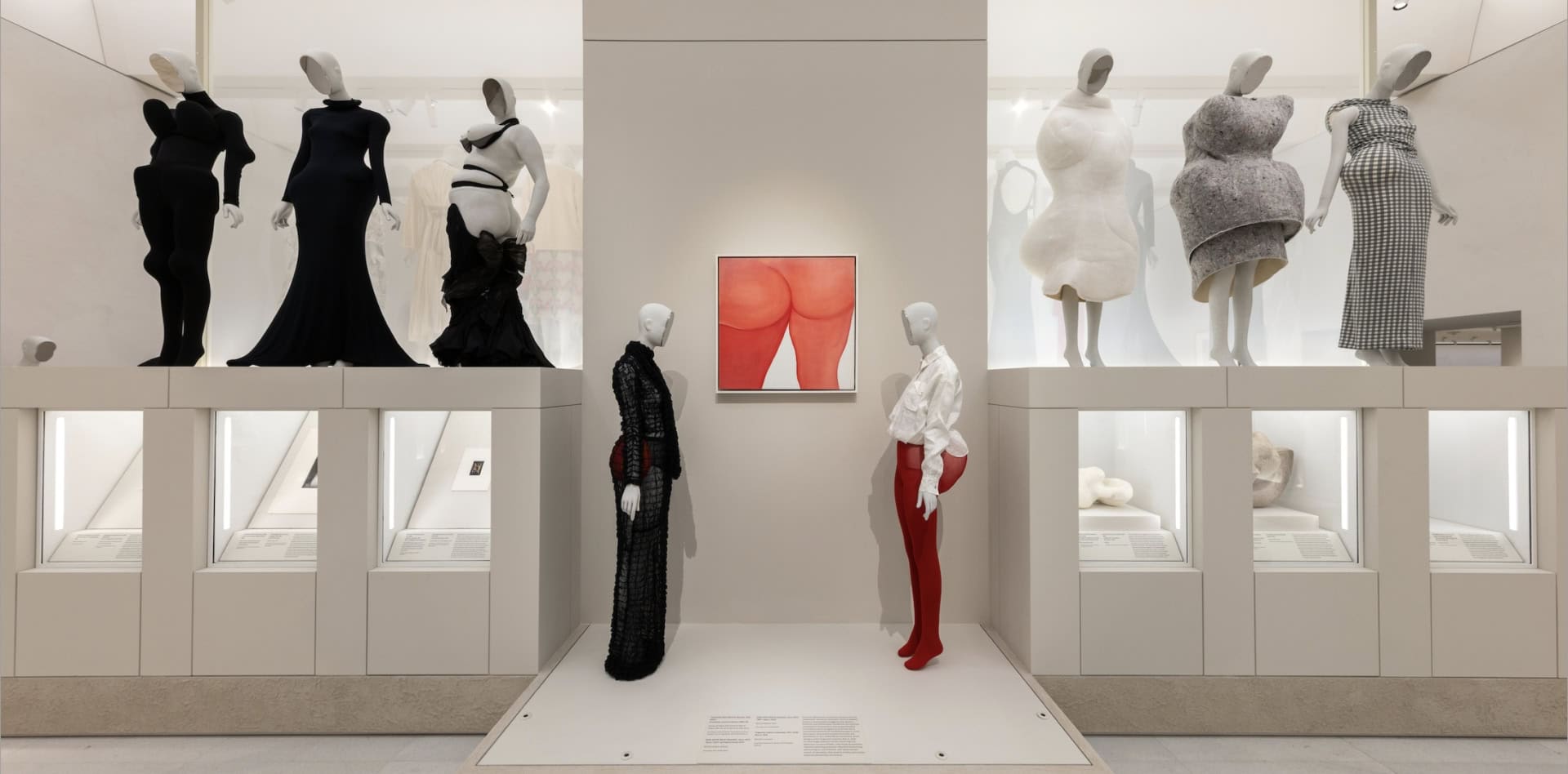
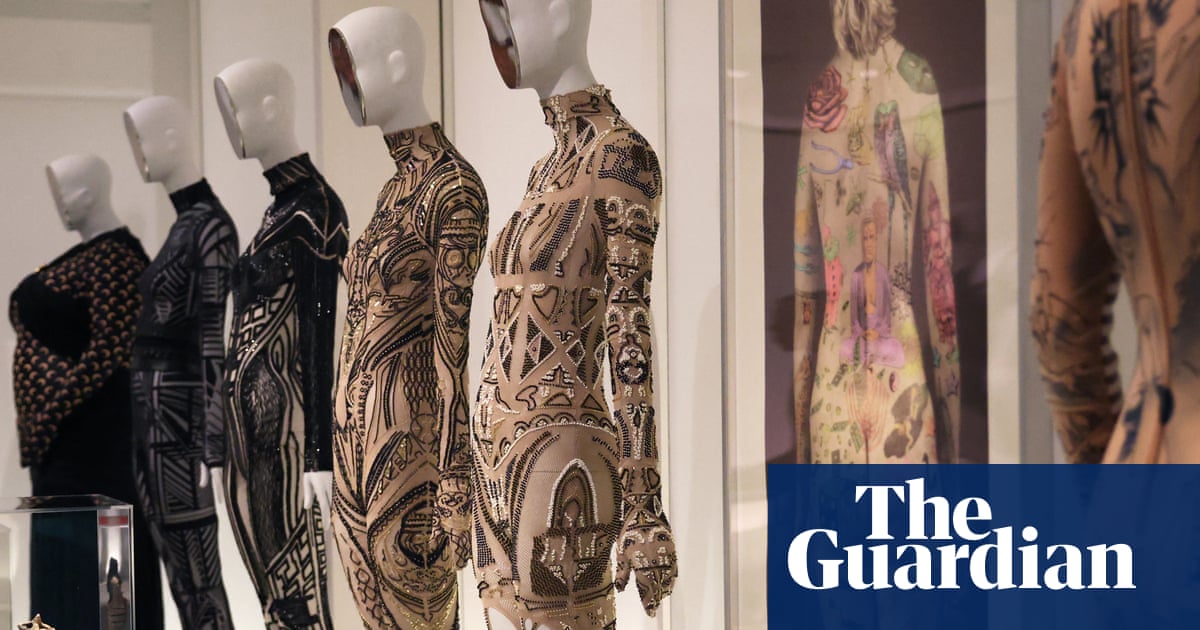
The Metropolitan Museum of Art's Costume Institute has opened its spring exhibition 'Costume Art' in a new 12,000-square-foot space called the Condé M Nast Galleries, located off the museum's Great Hall. The show pairs 200 garments and accessories with 200 artworks from the Met's collection, organized into 13 thematic body types such as Naked and Nude, Abstracted Body, Corpulent Body, Disabled Body, and Mortal Body. Lead curator Andrew Bolton aims to challenge traditional hierarchies by placing fashion on equal footing with fine art. The exhibition's launch is overshadowed by controversy over sponsorship by Jeff Bezos and Lauren Sánchez Bezos for the Met Gala.

at the MET's 'costume art', sculptural mannequins are scanned from real bodies

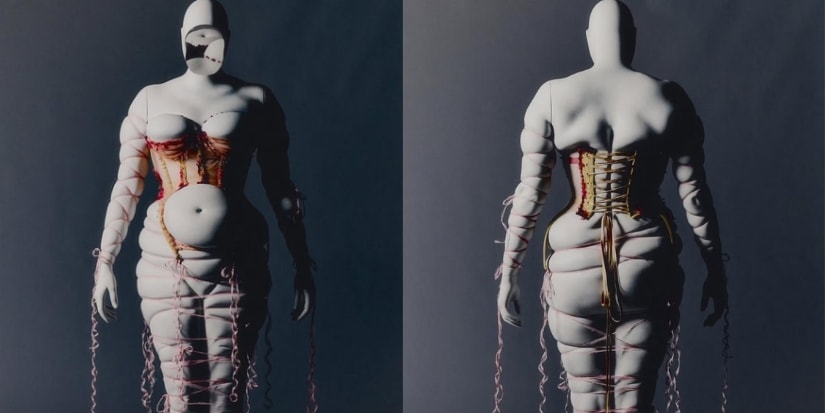
The Metropolitan Museum of Art's new exhibition 'Costume Art' features sculptural mannequins that are scanned from real bodies, including representations of corpulent and disabled bodies. The show uses 3D body scanning technology to create mannequins that accurately reflect diverse human forms, moving away from traditional idealized fashion mannequins.

The Met's New 'Costume Art' Exhibition Is All About Real Bodies

The Metropolitan Museum of Art has opened a new exhibition titled "Costume Art," curated by Andrew Bolton, which aims to collapse the historical hierarchy between fine art and fashion by focusing on the act of dressing and real bodies. The show features nine new mannequin forms representing pregnant, trans, disabled, and larger bodies, largely absent from traditional fashion displays. Models including musician Yseult, Jade O’Belle, Charlie Reynolds, and designer Michaela Stark were 3D-scanned and translated into physical figures by sculptor Frank Benson, with mirrored faces added by Samar Hejazi to reflect viewers. The exhibition also highlights voices and designers outside the European sphere, and the mannequins will become part of the museum's permanent collection.

INSIDE THE 2026 MET EXHIBITION ON FASHION AS ART

The Metropolitan Museum of Art's 2026 exhibition 'Costume Art' explores how standards of form, modesty, and exposure have evolved across history and cultures. The show is organized into sections examining the classical body, distorted bodies through corsets and bustles, and reclaimed bodies by designers like Rei Kawakubo, Duran Lantink, and Michaela Stark. Another section focuses on the 'Anatomical' and 'Mortal' bodies, highlighting universal experiences such as aging and mortality. Mannequins represent diverse body types—pregnant, plus-size, disabled, and non-conforming—modeled after real people including Sinéad Burke, Aariana Rose Philip, Aimee Mullins, and Yseult, with reflective steel faces designed by artist Samar Hejazi.

Who Are the Custom Mannequins in “Costume Art” Based On? We’re So Glad You Asked

The Metropolitan Museum of Art's 2025 Costume Institute exhibition, "Costume Art," features 25 mannequins modeled after nine real people with diverse body types and mobilities. Curator Andrew Bolton collaborated with artist Samar Hejazi, who created mirrored faceless heads for the mannequins, and artist Tanda Francis, who modeled features after historical figures like André Grenard Matswa. The mannequins are distributed across two thematic sections: "Disabled Body," featuring individuals such as writer Sinéad Burke, athlete Aimee Mullins, and models Aariana Rose Philip, Antwan Tolliver, and Sonia Vera, along with imagery of the late drag performer Goddess Bunny; and "Corpulent Body," featuring models Jade O'Belle, Charlie Reynolds, artist Michaela Stark, and singer Yseult. The living subjects underwent 3D photogrammetry scanning to recreate their likenesses.

First Look at the Met’s ‘Costume Art’ Where Every Body Matters, Really

The Metropolitan Museum of Art has unveiled its spring exhibition "Costume Art" in the Condé M. Nast Galleries, featuring around 200 pairings of garments and artworks that trace connections across centuries. The show prioritizes fashion over art, displaying dresses, jeans, body stockings, and bustiers to explore the human form through sections like "Naked and Nude Body," "Corpulent Body," and "Disabled Boy." Chief curator Andrew Bolton emphasizes celebrating body diversity amid threats from AI and politics, with nine individuals—including fashion designer Michaela Stark—scanned to create more realistic mannequins.

Meet The Canadian Artist Behind The Mirrored Mannequins That Transformed The 2026 Met Gala

The Metropolitan Museum of Art's 2026 Costume Institute exhibition, titled "Costume Art," will feature special mannequins with mirrored steel heads created by Toronto-born, Dubai-based artist Samar Hejazi. The mannequins, designed in collaboration with Curator in Charge Andrew Bolton, represent differently sized and abled bodies and replace traditional faces with reflective surfaces to disrupt the conventional presentation of fashion. Hejazi attended the Met Gala wearing a gown by Palestinian designer Zaid Farouki and described the project as a meaningful collaboration aimed at fostering empathy and self-reflection.