filter_list Showing 9 results for "brian eno" close Clear
dashboard All 9 museum exhibitions 7article news 1rate_review review 1
date_range Range Today This Week This Month All
Subscribe

5 Trends Shaping the 2026 Venice Biennale

The 2026 Venice Biennale has opened to the public, featuring the main exhibition 'In Minor Keys' conceived by the late Cameroonian Swiss curator Koyo Kouoh, who died unexpectedly in May 2025. Kouoh, the first African woman appointed to lead the Biennale, had her curatorial team—including Rasha Salti, Marie Hélène Pereira, and Gabe Beckhurst Feijoo—carry forward her vision of art as a 'shared and sustaining force.' The opening was weighted with politics and emotion.

Naked jetskiers, giant bells and a celebrity seagull! Venice Biennale’s wildest moments – in pictures

The Guardian presents a photo essay capturing the most eccentric and memorable moments from the 61st Venice Biennale, running until 22 November 2026. Photographer David Levene documents installations including a concrete 'Origami Deer' evacuated from war-torn Pokrovsk, Ukraine, by artist Zhanna Kadyrova; a seagull that became a minor celebrity after nesting outside the Polish pavilion; and the Holy See pavilion's immersive sound installation curated by Hans Ulrich Obrist and Ben Vickers. Other highlights include the Egyptian pavilion's touch-and-smell 'Silence Pavilion' and a Polish pavilion film featuring deaf and hearing singers.

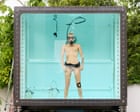
What does a woman swimming in urine tell us about the state of the world? Lots! – Venice Biennale review

The 2026 Venice Biennale, curated by the late Koyo Kouoh under the theme "In Minor Keys," has been plagued by months of turmoil including countries withdrawing, artists being fired, exhibitions cancelled, funding pulled, and protests during the preview. A five-person curatorial team took over after Kouoh's death, resulting in what the critic describes as a disjointed, committee-driven exhibition that prioritizes quiet contemplation and healing over direct political engagement. The central shows in the Giardini and Arsenale feature a vast, poorly explained array of art from the global south, with installations of ceramics, textiles, slide projectors, and serene natural scenes that the critic finds anachronistic and dull.

Numerous Venice Biennale Pavilions and Artists Go on Strike in Protest over Israel’s Participation

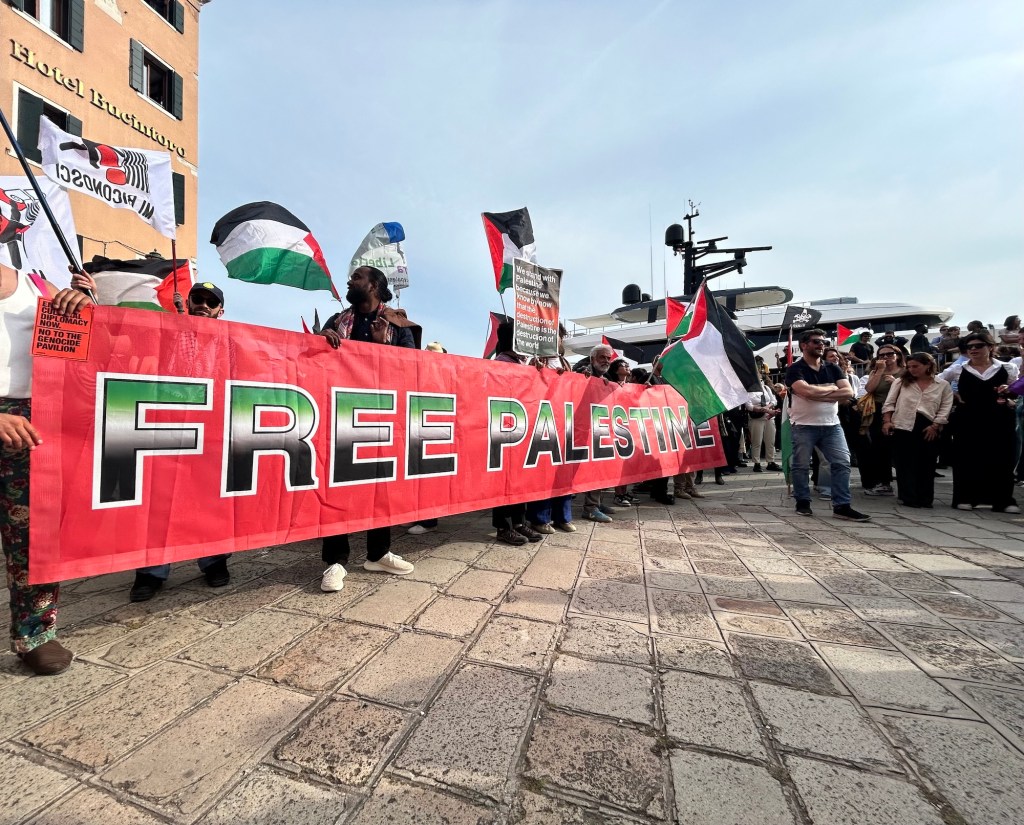
Thousands of protesters marched through Venice on the eve of the Venice Biennale's public opening, organized by Art Not Genocide Alliance (ANGA), to demand Israel's exclusion from the event. At least 18 national pavilions—including Austria, Belgium, France, Great Britain, and Ukraine—participated in a 24-hour strike, shutting down completely or partially. Protesters chanted slogans, waved Palestinian flags, and carried banners reading "no genocide pavilions," while ANGA released a statement with 236 signatories calling for Israel's removal, citing the humanitarian crisis in Gaza.

Best in Show: 6 Standouts at the 2026 Venice Biennale

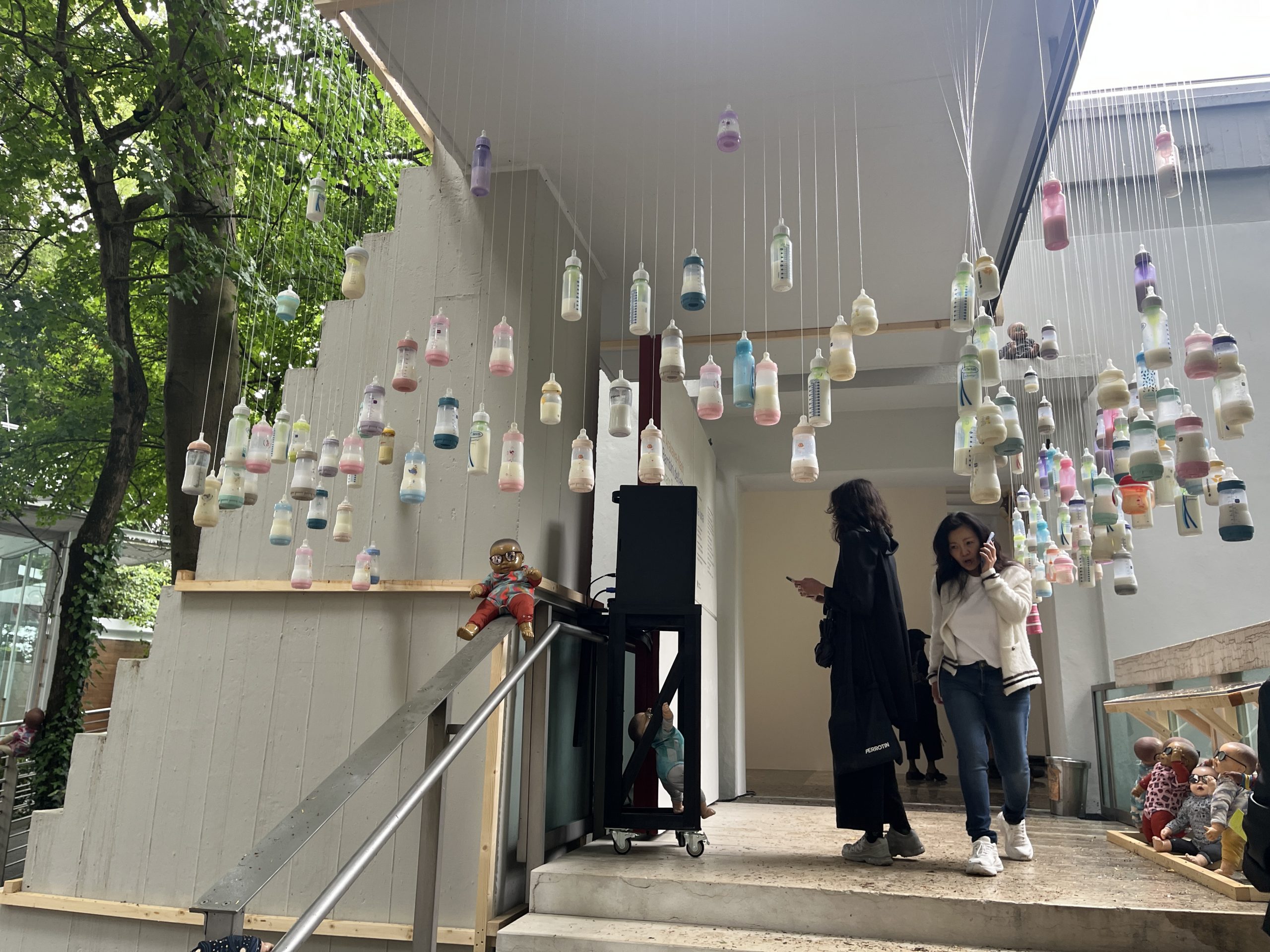
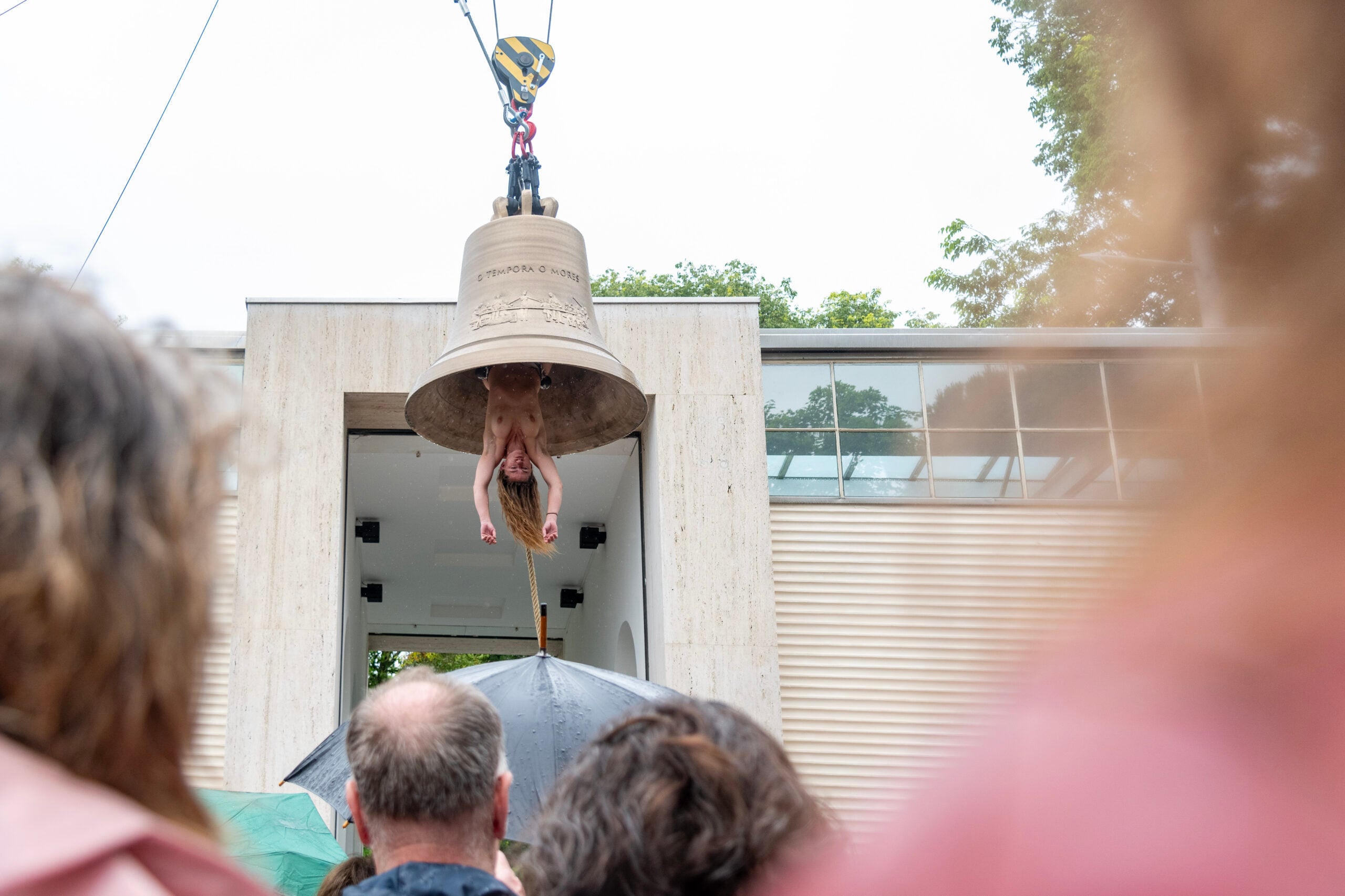
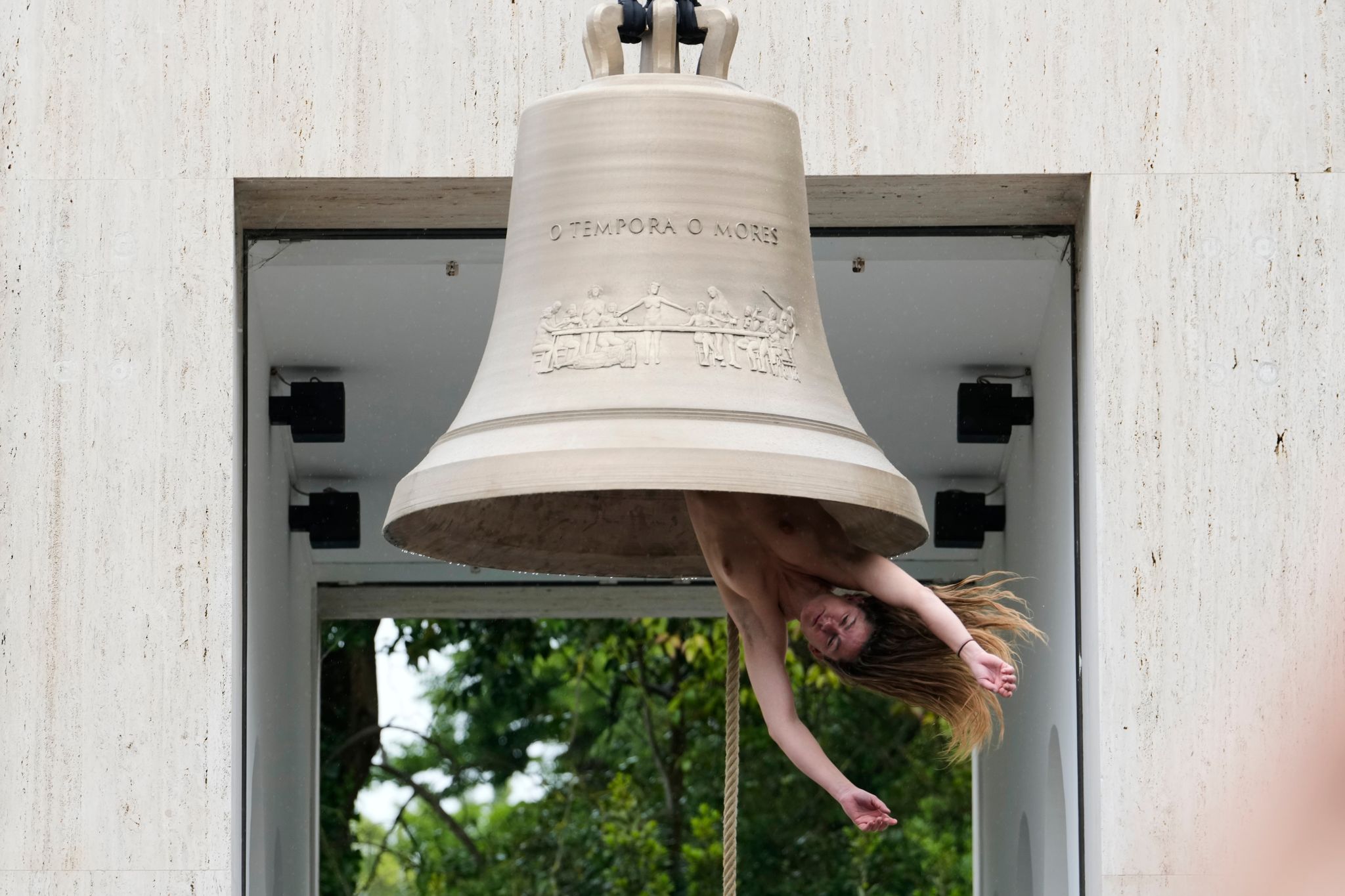
Artnet News writers highlight six standout exhibitions at the 2026 Venice Biennale, which opens to the public on May 9. Among the picks are Ei Arakawa-Nash's interactive installation "Grass Babies, Moon Babies" at the Japan Pavilion, featuring baby dolls and diaper-changing stations; Florentina Holzinger's provocative performance "Seaworld Venice" at the Austria Pavilion, involving nude performers, jet skis, and recycled wastewater; and Dayanita Singh's photographic exhibition "Archivio" at the State Archives of Venice, presenting intimate black-and-white images arranged as freestanding columns.

The best and worst we saw at the Venice Art Biennale 2026. Artribune's hits and flops

Il meglio e il peggio che abbiamo visto alla Biennale d’Arte di Venezia 2026. Top e flop di Artribune

The 61st Venice Biennale, titled "In Minor Keys" and directed by Koyo Kouoh, opened amid significant turmoil: the death of a newly appointed curator, diplomatic tensions over the presence of Russia and Israel, political protests, and the unprecedented collective resignation of the jury, which led to the Golden Lions being awarded by public vote for the first time. Despite this chaotic backdrop, the exhibition—featuring a record 100 national pavilions—has been widely praised for avoiding moralistic pedagogy and instead embracing visual seduction, formal quality, and sensory joy while addressing themes of identity, memory, colonialism, ecological crisis, and violence. The article highlights top and flop moments from the opening week, including strong showings by Biennale president Pietrangelo Buttafuoco and a standout exhibition at Fondazione Prada.

Venice Biennale 2026: The Pavilions Not to Be Missed

Biennale de Venise 2026 : les pavillons à ne surtout pas manquer

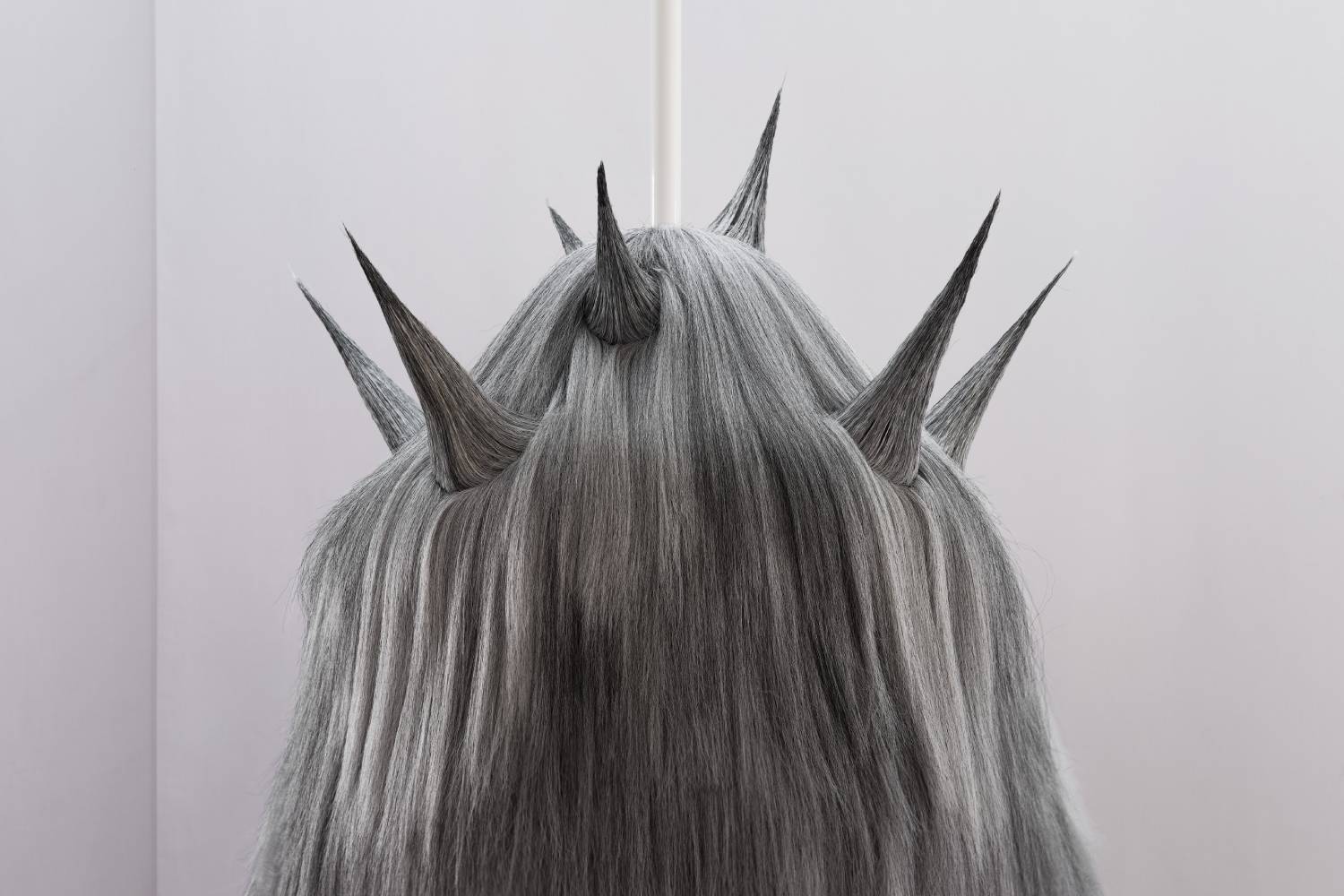
The 61st Venice Biennale, curated by Koyo Kouoh as an invitation to slow down and reconnect with emotions, features a constellation of contemplative and powerful proposals across the city. Notable national pavilions include the Holy See transforming a monastic garden into an immersive sound experience by Soundwalk Collective, Canada exploring colonial heritage through giant water lilies by Abbas Akhavan, and Austria electrifying the Giardini with radical performances by Florentina Holzinger. Other highlights include Spain dissecting collective memory through postcards, Poland imagining new forms of language between human and underwater worlds, and India's pavilion exploring notions of home.

EAT/ART Space to inhabit ETSU's Tipton-Ashe Galleries

EAT/ART Space, a collaborative project merging food and visual art, will take over ETSU's Tipton-Ashe Galleries. The initiative transforms the gallery into an interactive environment where visitors can engage with art through culinary experiences, blurring the lines between gallery viewing and dining.

Venice Biennale opens without a jury amid strife over Russian and Israeli participation

The Venice Biennale, one of the world's most prestigious contemporary art exhibitions, opens its most contested edition in memory without a jury after the jury resigned in protest over the participation of Israel and Russia, both under investigation by the International Criminal Court for human rights abuses. Protests have erupted outside the Israeli and Russian pavilions, with demonstrators clashing with police, while feminist groups from Ukraine and Russia converged on the Russian Pavilion and Palestinians remembered artists killed in Gaza. The Biennale has replaced the jury with a public vote via email, with winners announced at the close on November 22.