filter_list Showing 13 results for "bukhara biennial" close Clear
search
dashboard All 13 museum exhibitions 4article news 3article culture 2trending_up market 2person people 2
date_range Range Today This Week This Month All
Subscribe

the asia pivot state of play 2026 02 12

A flurry of art fair activity across Asia marked the early weeks of 2026. Art Basel's inaugural Qatar edition broke format with single-artist presentations, focusing on MENASA artists and discreet institutional buying. The India Art Fair in New Delhi reported strong sales for local and international galleries, while new fairs launched in Jakarta, Manila, and Hong Kong. Tokyo Gendai announced its return, and Art Basel's digital platform Zero 10 expanded to Hong Kong.

the asia pivot recap 2025

Artnet News's 'The Asia Pivot' reflects on its 2025 coverage, highlighting the expansion of Asia's art scene beyond traditional East Asian markets into emerging regions such as the Gulf, South Asia, and Central Asia. Key developments include the debut of the Bukhara Biennial in Uzbekistan, the opening of the Almaty Museum of Arts in Kazakhstan, and the flourishing art scene in Thailand with new private museums like Dib Bangkok. The report also covers major markets like China, Japan, and South Korea, noting the impact of geopolitical dynamics and market shifts.

food bukahra biennial recipes broken hearts diana campbell

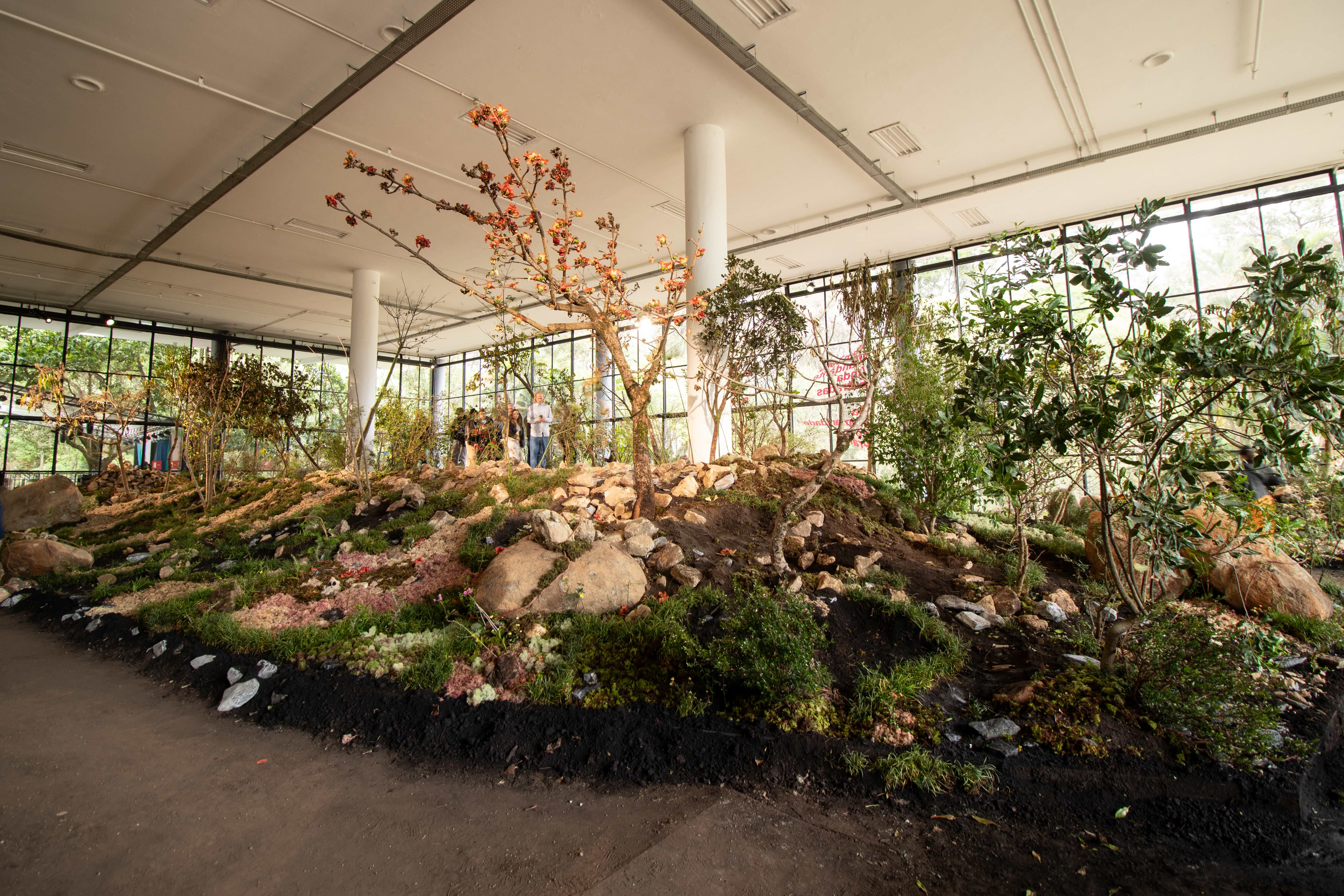
The article reports on the inaugural Bukhara Biennial in Uzbekistan, titled "Recipes for Broken Hearts," which opened in the historic 16th-century Khoja Gavkushon complex. Curated by Diana Campbell, the biennial features over 70 projects spanning 500 meters of public space, including works by artists Subodh Gupta, Laila Gohar, and Carsten Höller. The exhibition embraces the local environment—sun, wind, and dust—as collaborators, rejecting the sterile white cube model. Food is a central theme, with communal plov parties, performative cooking sessions, and installations like Gohar's edible rock sugar pavilion. The biennial runs through November 20.

frieze seoul asian galleries asia pivot

Frieze Seoul returns for its fourth edition at Coex from September 3 to 6 with 120 galleries, maintaining last year's scale. Asian galleries now represent 64 percent of exhibitors, up from 48 percent, signaling a stronger regional identity. Notable non-returning galleries include Blum, Karma, and Neugerriemschneider. Meanwhile, Kiaf Seoul will run concurrently with 176 exhibitors, and Art021 Group suspended its 2025 Hong Kong show after a single edition. Gallery Weekend Beijing concluded its ninth edition with a new invitation-only model, and several Asian-rooted artists are featured in London Gallery Weekend. New institutions opened, including the Photography Seoul Museum of Art and the Naoshima New Museum of Art, while the inaugural Bukhara Biennial program was announced.

12 Collectors on the Artists, Shows, and Trends to Watch in 2026

Artsy spoke with 12 leading collectors about the artists, exhibitions, and trends they are most excited to follow in 2026. Highlights include the re-centering of women artists, the rise of South Asian and LGBTQ+ artists, and the impact of AI on gallery operations. Collectors point to major institutional milestones such as LACMA's new campus, the Guggenheim Abu Dhabi, the Venice Biennale, and Art Basel's expansion into Qatar, as well as specific shows like Claire Tabouret's stained-glass commission for Notre-Dame and the Frida Kahlo exhibition at the Museum of Fine Arts, Houston.

icons issue fall 2025

The article introduces the annual 'Icons' issue of Art in America, profiling artists whose decades-long practices reflect deep commitment to their mediums. Featured artists include Paul Pfeiffer, who became hyper-aware of image grammar through early video work; Consuelo Jimenez Underwood, who found her voice in textiles; David Diao, who references Barnett Newman; and the late Joel Shapiro, who explored transformation through wood sculpture. The issue also includes an interview with Tehching Hsieh on freethinking and art, plus departments on curatorial challenges, a Bukhara Biennial curator Q&A, and an appreciation of Dara Birnbaum.

curator xiaowen zhu interview

Xiaowen Zhu, director of Esea Contemporary in Manchester, discusses her journey and the evolving representation of Asian artists in the global art world. Born in Shanghai, Zhu reflects on her formative encounter with Ai Weiwei's *Fairytale* at Documenta 12 in 2007, which shaped her understanding of diaspora and belonging. She now leads the UK's only non-profit art center dedicated to East and Southeast Asian (ESEA) artists, and serves on the British Council’s Arts and Creative Economy Advisory Group.

David Bowie Centre, Bukhara Biennial, Hilton Als on Jean Rhys, Hurvin Anderson and Kara Walker—podcast

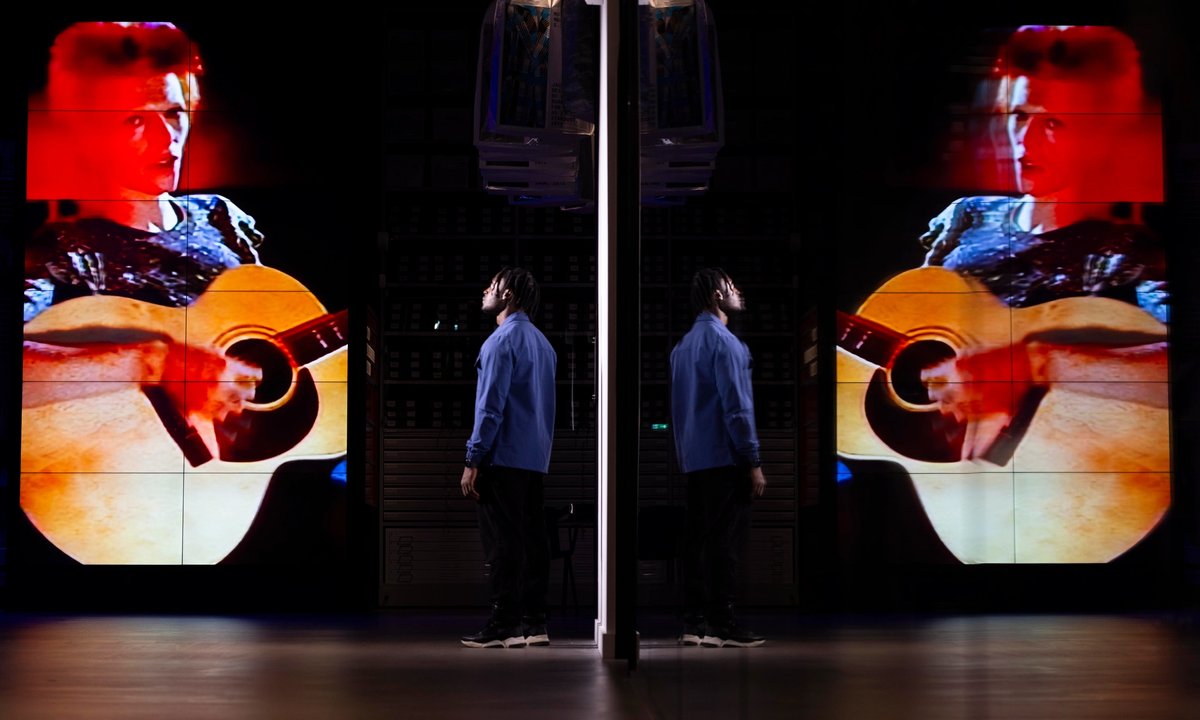
The latest episode of The Art Newspaper's podcast 'The Week in Art' covers three major stories. Host Ben Luke tours the newly opened David Bowie Centre at the V&A East Storehouse in London, a permanent repository for thousands of items from Bowie's archive, discussing the displays with curator Madeleine Haddon. The episode also reports on the inaugural Bukhara Biennial in Uzbekistan, with art market editor Kabir Jhala delivering a verdict from the opening and curator Diana Campbell offering insights. Finally, the podcast features a 'Work of the Week' segment on two paintings—Hurvin Anderson's 'Untitled' (2025) and Kara Walker's 'West Indies' (2014)—shown in an exhibition at Michael Werner Gallery in London curated by critic and writer Hilton Als, which explores the life and work of Dominican-born writer Jean Rhys.

Global Art Biennials: Renovation, Revelation—or Repetition?

The article examines the current state of global art biennials, arguing that recent controversies—such as the 2022 documenta antisemitism crisis and geopolitical tensions at the 61st Venice Biennale—reveal these exhibitions as deeply politicized platforms rather than neutral cultural events. It highlights how juries and curators have introduced geopolitical criteria, and cites ongoing debates in Artforum (April 2026) featuring voices like Daniel Birnbaum, Michelle Grabner, and Adam Szymczyk, who diagnose visible tensions but overlook deeper structural conditions.

Antony Gormley: ‘Everything I make now is a surprise to me’

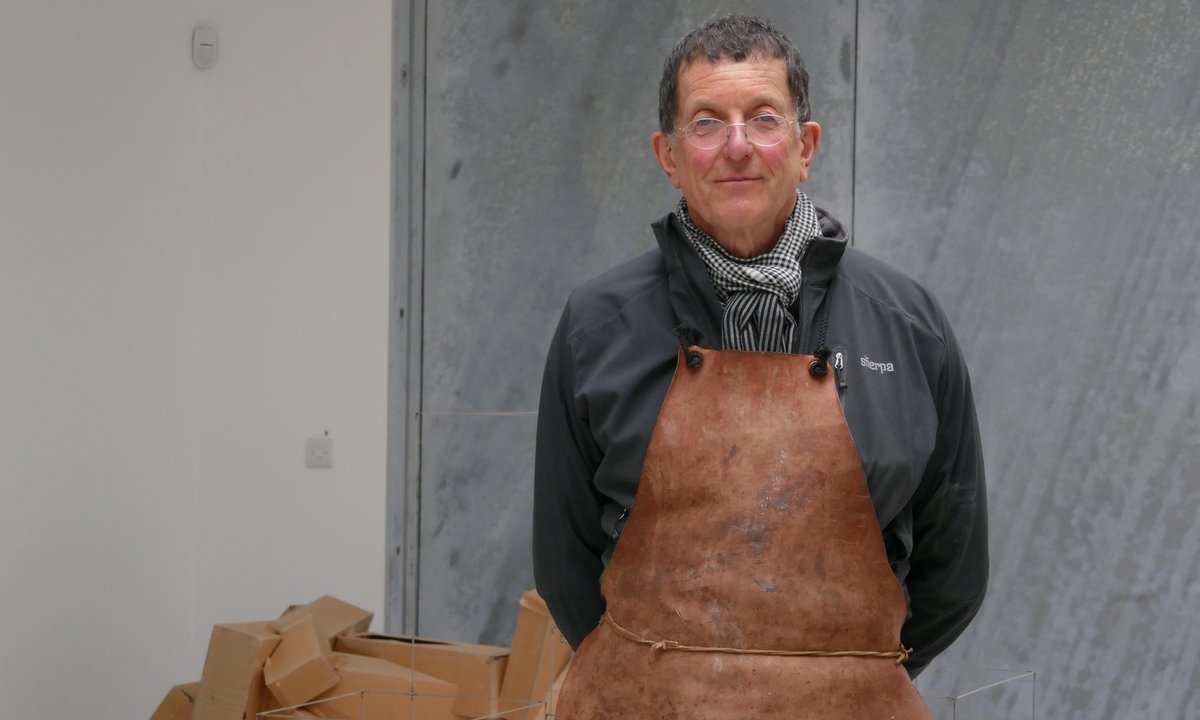
Antony Gormley, the British sculptor best known for public works like *Angel of the North* and *Another Place*, is opening his first solo exhibition in Seoul this September, titled *Inextricable*, simultaneously at White Cube and Thaddaeus Ropac. The shows coincide with Frieze Seoul and explore how urban infrastructure shapes human consciousness. Gormley also discusses his ongoing collaboration with Japanese architect Tadao Ando at Museum SAN, where their permanent installation *Ground* (2025) is on view, and reflects on past unrealized projects in Korea, including a utopian proposal with the Kim Dae-jung Foundation.

2026 Art Basel Award Winners Announced

Art Basel has unveiled the 33 medalists for its 2026 global honors program, recognizing a diverse group of artists, curators, and institutions. The selection highlights a strong Southeast Asian presence, including architect Kulapat Yantrasast and filmmaker Apichatpong Weerasethakul, alongside international figures like Laurie Anderson and Julie Mehretu. These awards celebrate practitioners across categories such as Emerging Artist, Established Artist, and Cross-Disciplinary Creator, with winners to be celebrated at the upcoming Basel fair in June.

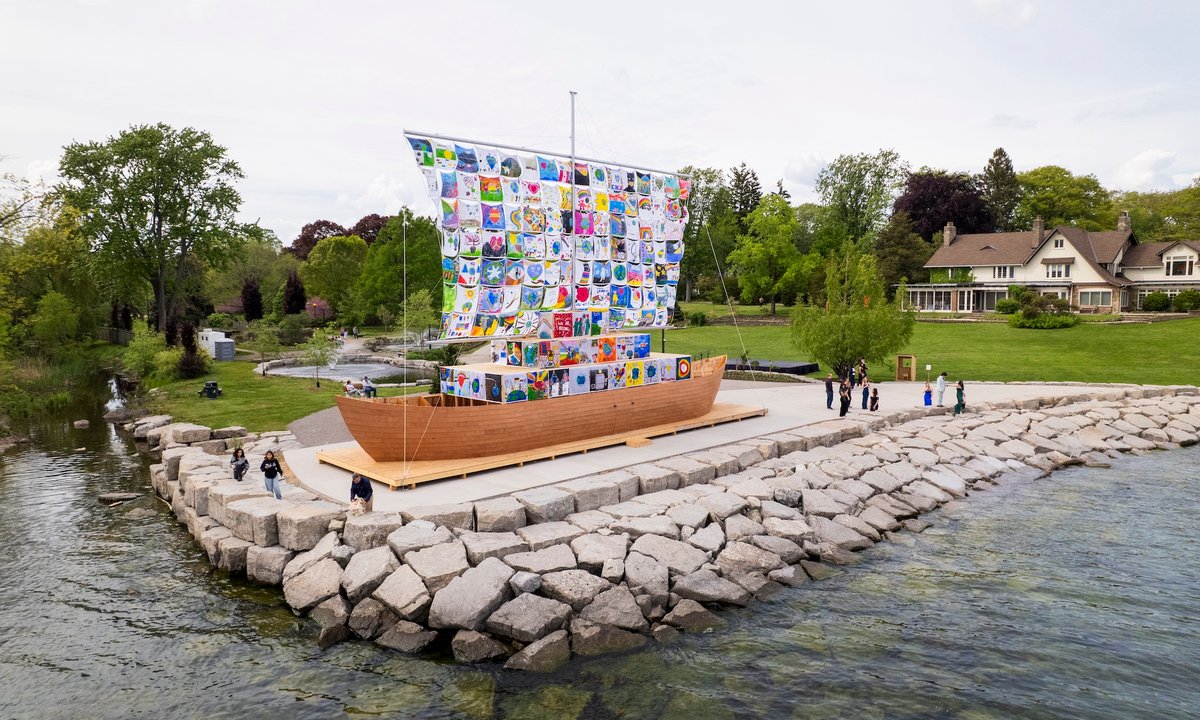
Amid a wave of global crises, Ilya and Emilia Kabakov’s Ship of Tolerance sets sail again—with added potency

Ilya and Emilia Kabakov's participatory art project *Ship of Tolerance* (2005–present) has been reinstalled at Oakville Galleries on Lake Ontario, near Toronto, opening on 31 May as part of the exhibition *Between Heaven and Earth* (through 20 September). The project, which involves children from diverse backgrounds creating painted sails for a 60-foot wooden boat, has previously traveled to locations including Siwa, Egypt; the Venice Biennale; Sharjah; Brooklyn; Miami; Moscow; and London. Emilia Kabakov continues to lead the project after Ilya Kabakov's death in 2023, and the latest iteration arrives amid global crises including wars, migrant displacement, and US President Donald Trump's threats to annex Canada.

A museum packed with once banned art is flourishing in the Uzbek desert

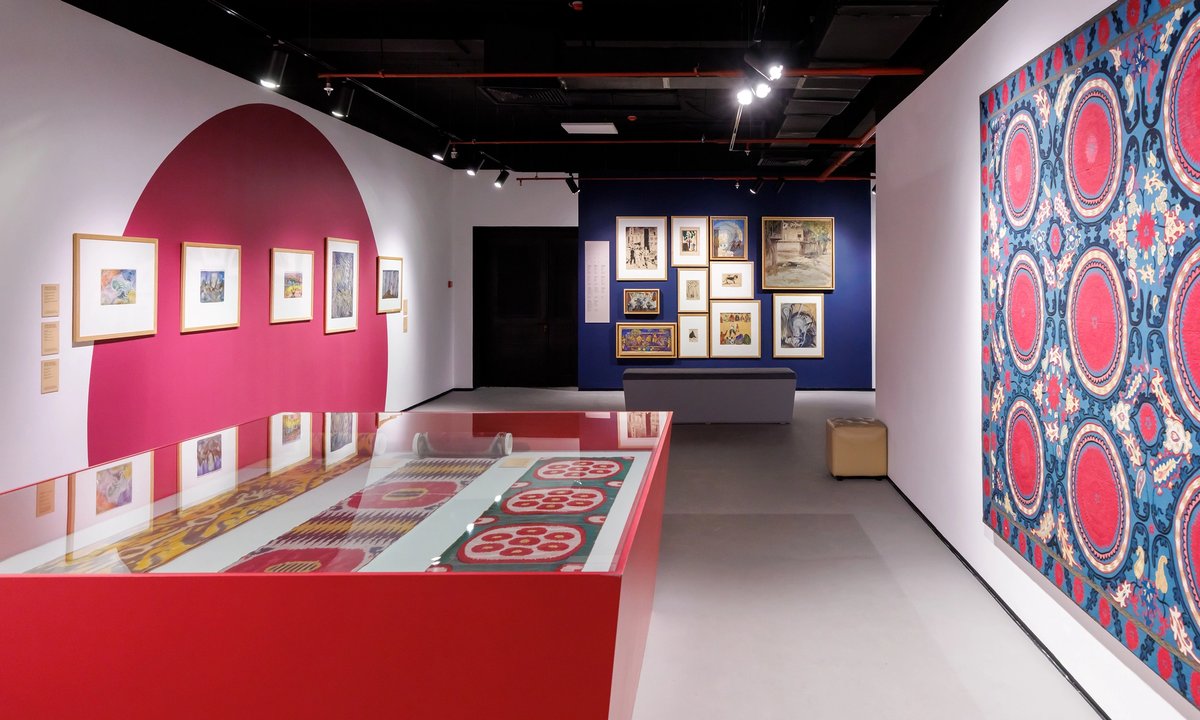
The I.V. Savitsky State Art Museum in Nukus, Uzbekistan, near the former Aral Sea, houses nearly 100,000 works of 20th-century art, including Russian avant-garde pieces and Central Asian folk art. After a 2024 exhibition in Florence and Venice, the museum underwent a major renovation led by Italian academics and new director Gulbahar Izentaeva, reopening with updated galleries and a new exhibition, "The World of Igor Savitsky." The project is backed by the Art and Culture Development Foundation (ACDF), which also launched the inaugural Bukhara Biennial and partnered with Art Basel Paris.