
filter_list Showing 3 results for "carel fabritius" close Clear
dashboard All 3 article news 2museum exhibitions 1
date_range Range Today This Week This Month All
Subscribe

hidden portrait beneath vermeer girl with the red hat 1234752997

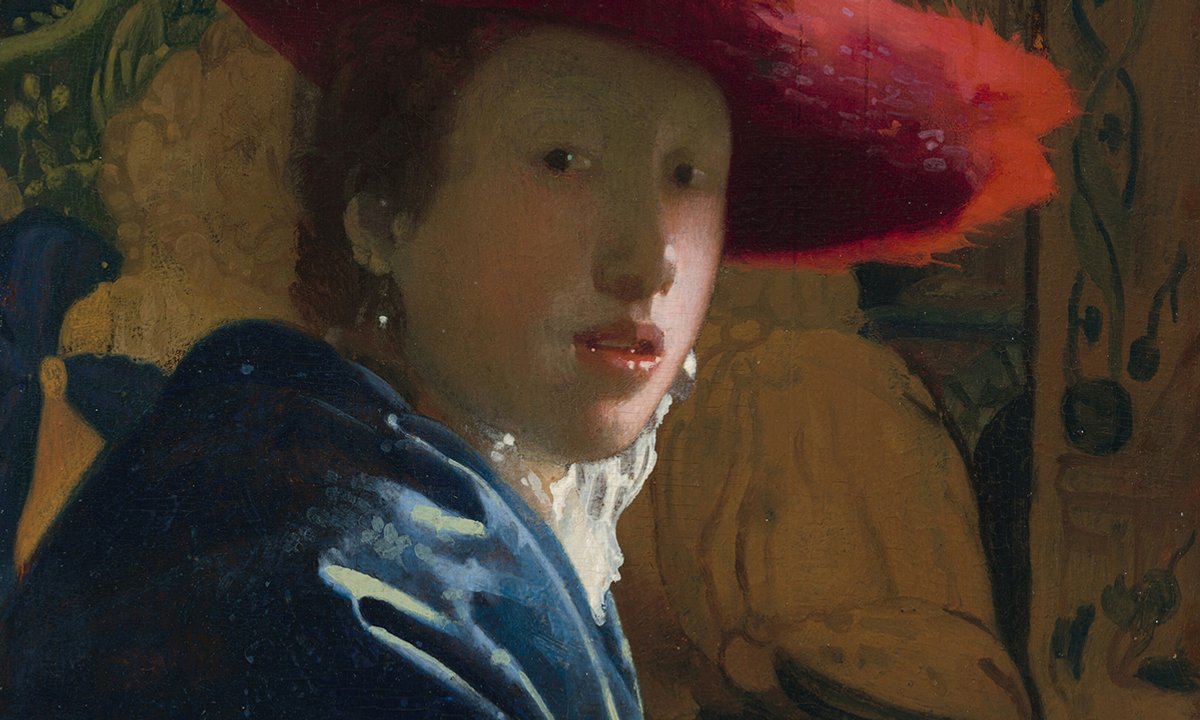
During the pandemic, the National Gallery of Art in Washington, D.C., used advanced imaging techniques to analyze four paintings attributed to Johannes Vermeer. Beneath the surface of *Girl with the Red Hat* (ca. 1669), conservators discovered an underpainting of a man in a wide-brimmed hat and tasseled collar, dated to 1650–55. Initially thought to be by an unidentified artist, further study suggests the underpainting may be Vermeer’s own work, making it his earliest known painting and his only known male portrait. However, specialists caution that the theory has not been proven or denied, and the hidden portrait could alternatively be by Carel Fabritius, with Vermeer painting over it.

norton museum of art the leiden collection rembrandt 2720649

The Norton Museum of Art in West Palm Beach, Florida, is hosting "Art and Life in Rembrandt’s Time: Masterpieces from the Leiden Collection," an exhibition featuring 17 Rembrandt paintings from the largest private collection of his works. The show includes over 200 additional paintings and drawings by Dutch Golden Age artists such as Frans Hals, Carel Fabritius, and Johannes Vermeer, including the only Vermeer painting held in private hands. The exhibition marks the first major Rembrandt show in Florida and the largest U.S. exhibition of 17th-century Dutch paintings from a private collection, timed to coincide with the 400th anniversary of New Amsterdam's founding.

Hidden picture beneath Vermeer’s ‘Girl with the Red Hat’ may be the artist’s only existing male portrait, research reveals

New research using advanced imaging techniques suggests that the hidden male portrait beneath Johannes Vermeer's 'Girl with the Red Hat' (c. 1664-69) at the National Gallery of Art in Washington, D.C., may have been painted by Vermeer himself, rather than an unidentified artist as previously thought. Earlier studies had dismissed the underpainting as the work of another hand due to its loose brushwork, but recent analysis indicates Vermeer's initial paintwork was typically looser and quicker. The male figure's costume dates the composition to 1650-55, which would make it Vermeer's only known male portrait and predate his earliest known work, 'Christ in the House of Mary and Martha' (1654-55).