filter_list Showing 9 results for "colonial-era acquisitions" close Clear
dashboard All 9 gavel restitution 8article news 1
date_range Range Today This Week This Month All
Subscribe

France Passes Landmark Restitution Law for Looted Art

France has passed a landmark restitution law for looted art, marking a significant shift in the country's approach to addressing Nazi-era confiscations and colonial-era acquisitions. The legislation establishes a legal framework for returning artworks and cultural objects to their rightful owners or heirs, streamlining a process that previously required case-by-case parliamentary approval. This law is expected to accelerate the return of thousands of items held in French museums and public collections.
London’s V&A launches webpage exploring provenance of its objects

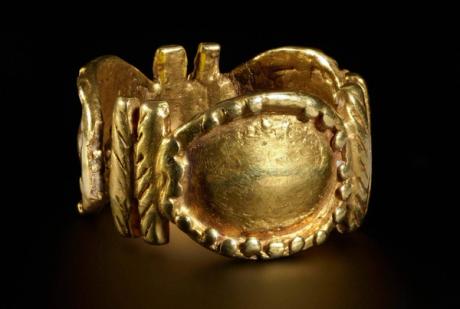
The Victoria and Albert Museum (V&A) in London has launched a dedicated digital hub to document the provenance of its collection, specifically addressing objects acquired through violence, coercion, or looting. The initiative includes detailed research on controversial items such as the Maqdala material from Ethiopia, Asante Regalia from Ghana, and imperial Chinese jade. This transparency effort coincides with International Provenance Research Day and aims to provide public accountability regarding the museum's colonial-era acquisitions.

nefertiti bust egypt zahi hawass demands return 1234768168

Egyptian archaeologist Zahi Hawass has renewed his demand for the return of the ancient bust of Nefertiti from Berlin's State Museums, citing the recent full opening of the Grand Egyptian Museum (GEM) near Giza as proof that Egypt can properly safeguard its artifacts. The bust, dating to ca. 1351–1334 BCE and discovered in 1912 by German Egyptologist Ludwig Borchardt, has been on display at the Neues Museum since 2009. Hawass, who has shifted his position over time—calling the bust not looted in 2010 but “brazenly stolen” in 2024—argues that Western museums can no longer claim Egyptian institutions lack adequate climate control and display standards.

‘A static collection is a dead collection’: how the British Museum is acquiring for a global public

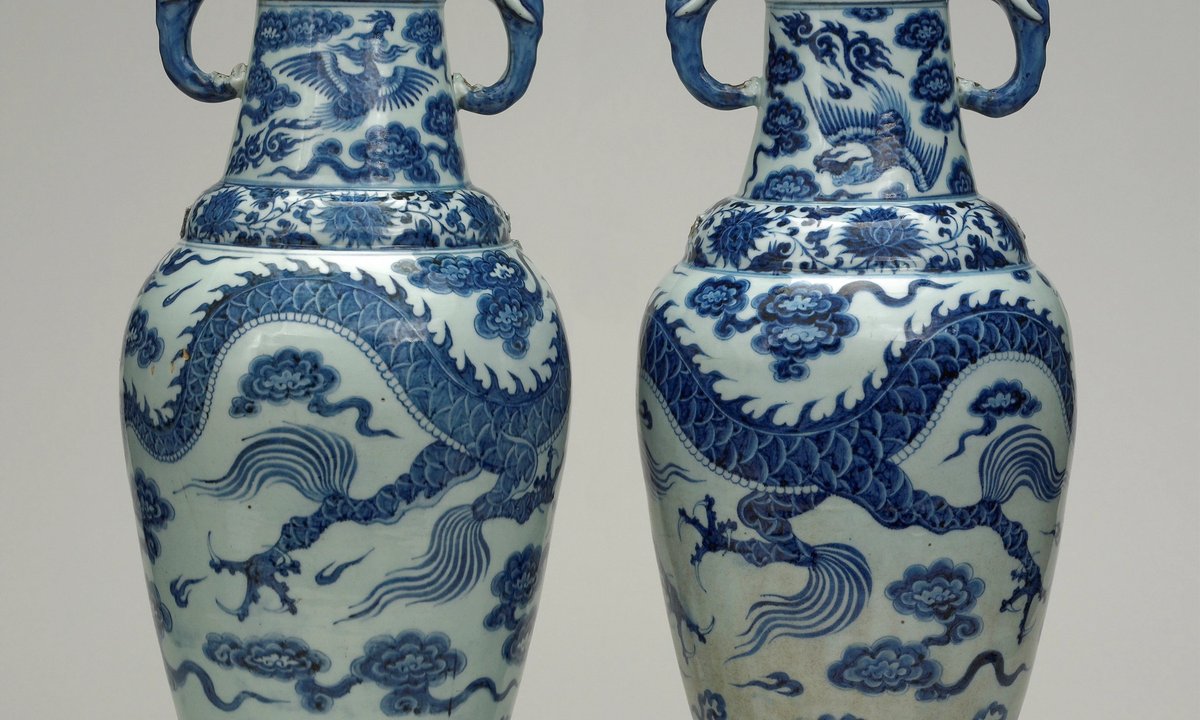
The British Museum has received a record-breaking donation of Chinese ceramics valued at nearly £1 billion from the Sir Percival David Foundation, including the famous David vases from 1351 and a 1,000-year-old Ru ware bowl stand. The acquisition, approved by the Charity Commission, expands the museum's Chinese ceramics collection to 10,000 pieces and fulfills the donor's intent to inform and inspire the public. The article details the museum's acquisition process, which prioritizes objects that tell stories about everyday life and ephemeral culture, while adhering to strict ethical and practical considerations due to the British Museum Act 1963's stringent deaccession rules.

London’s Wellcome Collection to Transfer 2,000 Manuscripts to Jain Community, But They Will Stay in UK

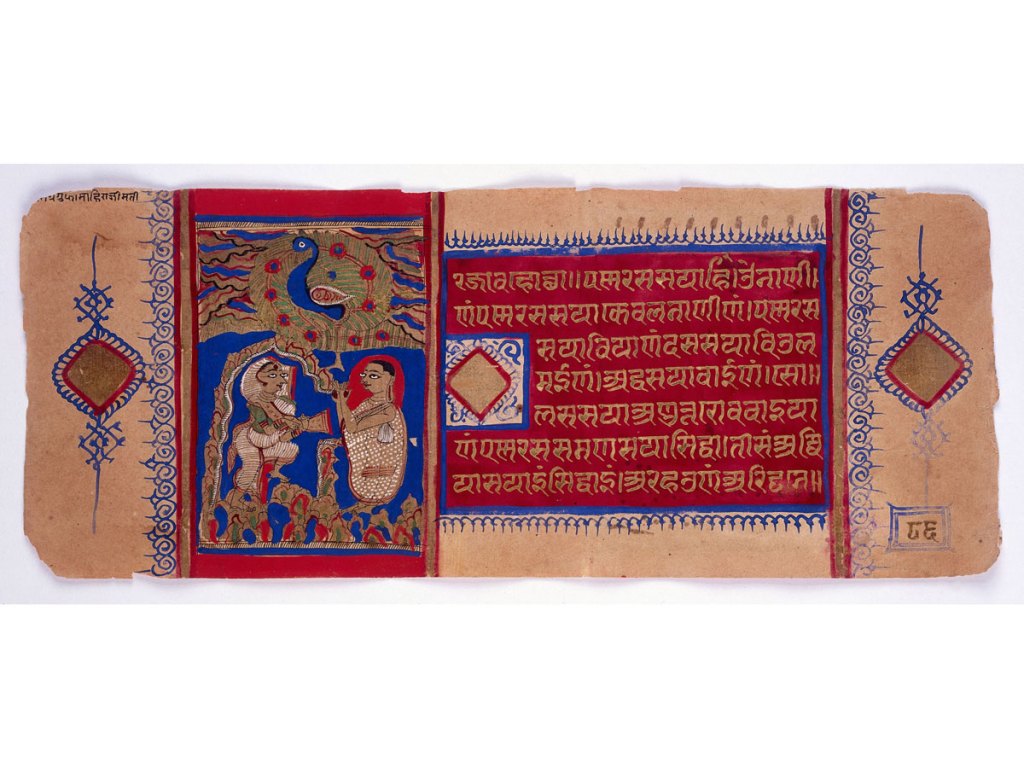
The Wellcome Collection in London has announced plans to transfer 2,000 Jain manuscripts to the Jain community, but they will remain in the UK at the University of Birmingham’s Dharmanath Network in Jain Studies. The manuscripts, ranging from the 15th to 19th centuries, were largely purchased in 1919 from a temple in India and from sources in present-day Pakistan. The transfer follows years of dialogue with the UK-based Institute of Jainology and aims to maximize community access and research opportunities.

London's Wellcome Collection returns 2,000 manuscripts to the Jain community

London's Wellcome Collection is returning 2,000 Jain manuscripts to the Jain community, the largest such collection outside South Asia. Acquired in 1919 at a low price from a Jain temple in what is now Pakistan, the manuscripts will be transferred to the UK-based Institute of Jainology and deposited at the University of Birmingham. A Memorandum of Understanding is being signed at the House of Commons. The restitution bypasses the country of origin because the Jain community in Pakistan was displaced after the 1947 partition, leaving no suitable depository there.

MFA Boston returns two works to Kingdom of Benin

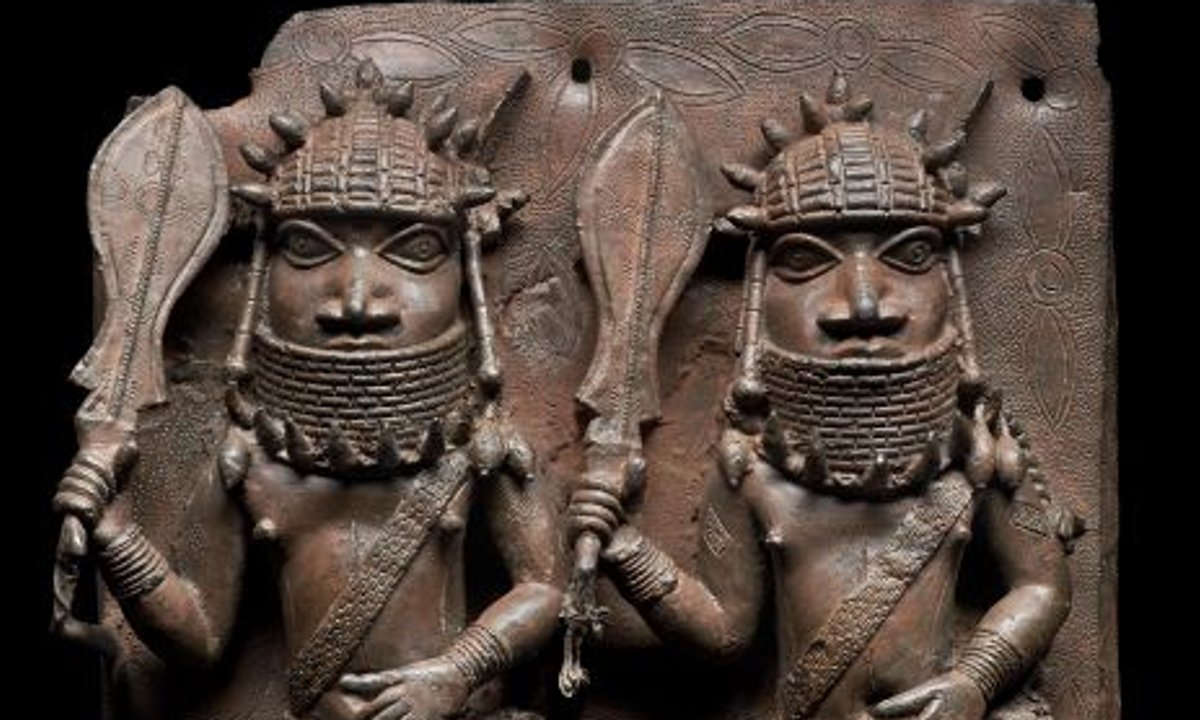
The Museum of Fine Arts (MFA) Boston has returned two looted artefacts—a bronze relief plaque and a terracotta and iron head—to the Oba of Benin during a ceremony at Nigeria House in New York City. The works, stolen by British forces during the 1897 punitive expedition against the Kingdom of Benin, were traced to the collection of Augustus Pitt-Rivers and later acquired by investment titan Robert Owen Lehman, who donated them to the MFA in 2013 and 2018. The pieces will be handed over to Nigeria's National Commission for Museums and Monuments and ultimately to His Royal Majesty Omo N’Oba Ewuare II.

France Passes Law Easing Process of Returning Looted Art

France has passed a new law that simplifies the process of returning looted art and cultural artifacts to their countries of origin. The legislation, championed by President Emmanuel Macron, is seen as a major step in addressing colonial-era acquisitions, particularly for African artworks held in French museums. Experts describe the law as a seismic shift in restitution policy, enabling faster and more systematic returns without requiring individual parliamentary approvals for each item.

"Restitutions": Parliament Ready to Give Everything Up

« Restitutions » : le Parlement prêt à tout lâcher

The French Parliament is moving forward with an accelerated legislative process to pass a framework law governing the restitution of cultural property to foreign states. This bill aims to streamline the return of artworks and artifacts deemed to have been illicitly acquired, fulfilling a long-standing promise made by President Emmanuel Macron to address colonial-era acquisitions and other contested heritage.