
filter_list Showing 3 results for "contemporary art curator" close Clear
search
dashboard All 3 article culture 1article news 1person people 1
date_range Range Today This Week This Month All
Subscribe

hard choices can you hack contemporary art curator

Art-world consultants Chen & Lampert present a satirical quiz for contemporary art curators who came of age in the mid-2000s and now face the challenges of middle age—mortgages, school-age children, and dwindling energy for the nightlife that once fueled their careers. The quiz poses ten multiple-choice questions testing whether a curator can stay relevant without partying every night, touching on topics like referencing artists in talks, responding to young artists, and keeping up with art news and trends.
Andrea Karnes, Museum Curator

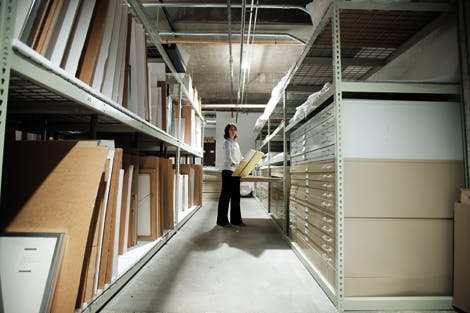
Andrea Karnes, a longtime curator at the Modern Art Museum of Fort Worth, provides an inside look at the evolving role of a contemporary art curator. Having spent her entire career at the institution, Karnes describes the transition from being a traditional 'caretaker of objects' to an intellectual architect who constructs arguments through exhibitions. She details the multi-year process of organizing shows, which involves extensive studio visits, international travel to biennials, and complex negotiations with collectors to secure loans for major retrospectives.

‘The pain has become unbearable’: Tel Aviv Museum of Art workers stage daily protest outside the institution

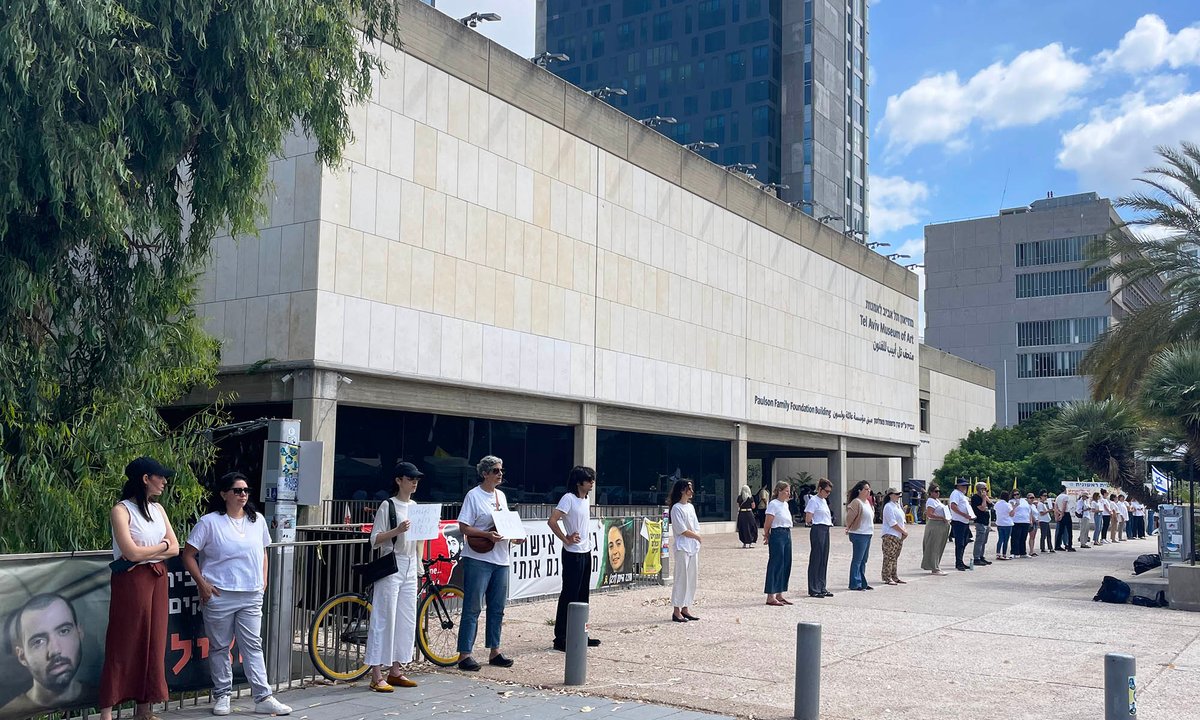
Since early April, employees of the Tel Aviv Museum of Art have been staging a daily 30-minute protest outside the museum's two public entrances before opening hours. Initiated by senior curator of Israeli art Dalit Matatyahu, the protest brings together staff with diverse stances on the war, the hostage crisis, and the humanitarian situation in Gaza. The demonstration takes place at the intersection of the museum and Hostages Square, a site already central to hostage-family activism. Participants include chief curator Mira Lapidot and contemporary art curator Shahar Molcho, who describe the protest as a moral response to the unbearable transition from the charged square to museum work.