
filter_list Showing 3 results for "contemporary jewish art" close Clear
search
dashboard All 3 museum exhibitions 3
date_range Range Today This Week This Month All
Subscribe

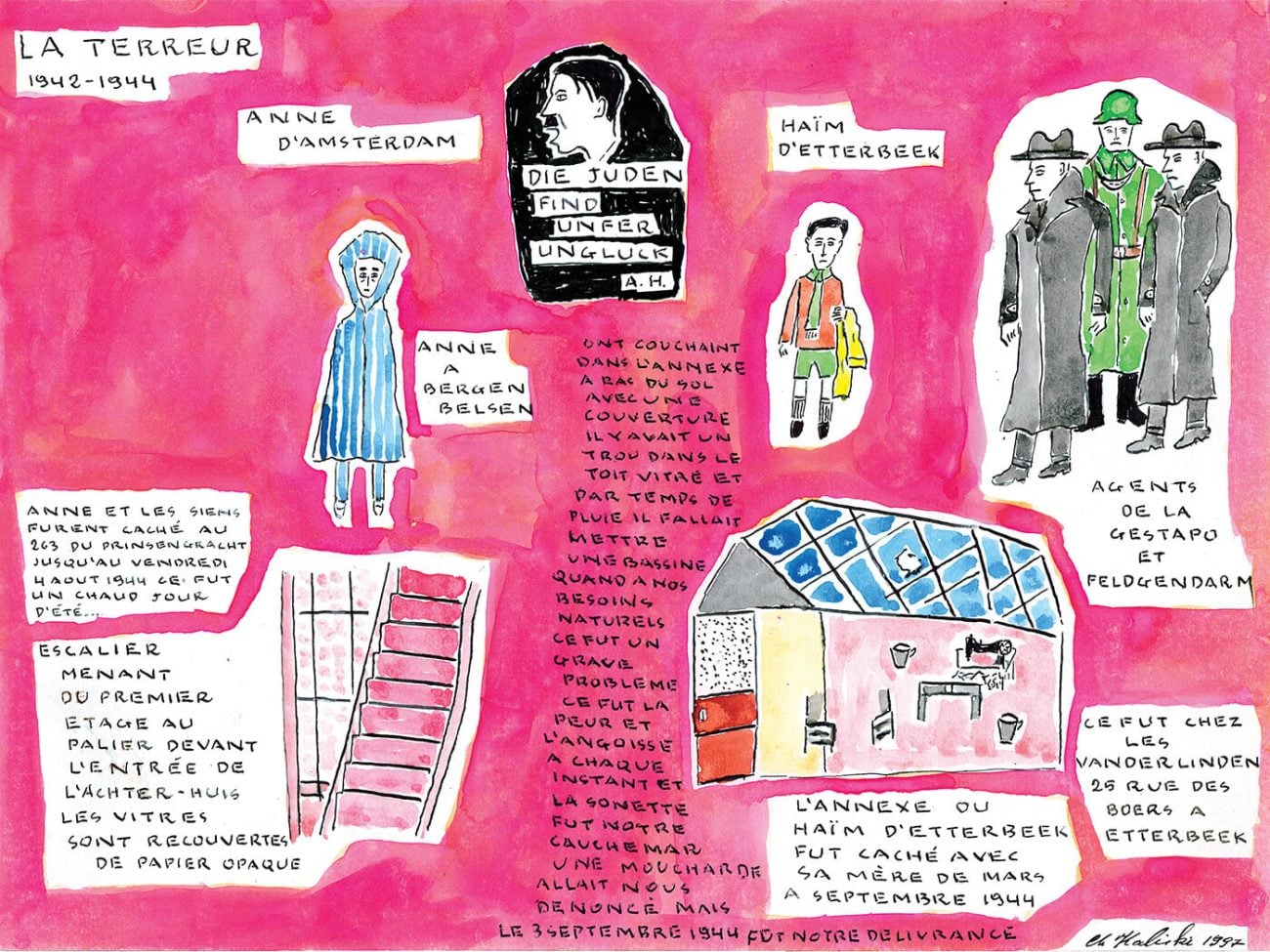
Chaïm Kaliski’s Drawings Haunted by the Shoah Revealed in an Exhibition at mahJ

Les dessins hantés par la Shoah de Chaïm Kaliski se révèlent dans une expo au mahJ

The Musée d’Art et d’Histoire du Judaïsme (mahJ) in Paris is hosting the first monographic exhibition dedicated to Chaïm Kaliski, a Belgian artist who began drawing at the age of 60 to process the trauma of the Holocaust. After his death in 2015, thousands of drawings were discovered in his Brussels apartment, documenting his family's history and the fate of Polish Jews in Belgium. The exhibition features 120 works that blend childlike aesthetics with haunting historical narratives, including poignant depictions of his parents' final moments at Auschwitz.
Children of Ruth: Artists Choosing Judaism

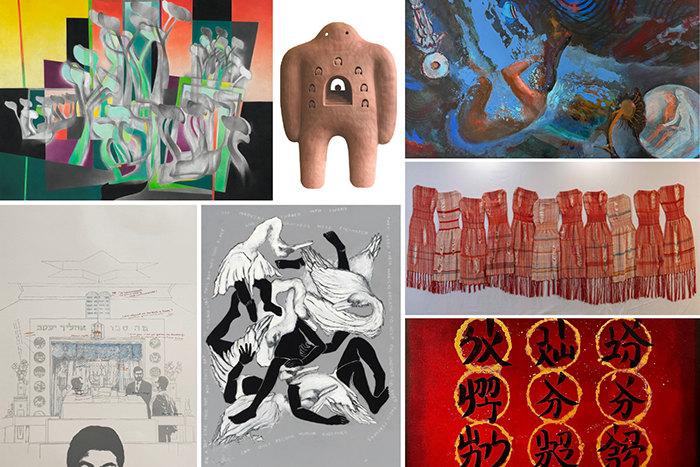
The Heller Museum at Hebrew Union College in New York presents “Children of Ruth: Artists Choosing Judaism,” an international group exhibition featuring 17 artists who converted to Judaism. Curated by Nancy Mantell and Susan H. Picker, the show includes works by artists from New Zealand, Japan, Hong Kong, Norway, the Netherlands, Canada, and the United States, exploring their diverse spiritual journeys through various media. Featured artists include Tetsuya Noda, whose print “Diary: June 11, 1971: Bet Din for Conversion” depicts his conversion ceremony; Yona Verwer, whose “Immersion VIII” portrays her mikvah experience; and Carolyn Carson, whose “Daughters of Ruth” addresses antisemitism and belonging.

On Showing My Paintings in Auschwitz

Artist and Holocaust survivor Yehudis Barmatz-Harris has installed a series of paintings within the barracks of Auschwitz-Birkenau, marking a profound personal and artistic return to the site of her family's trauma. The works, which utilize materials like salt and organic textures, are placed directly on the wooden bunks where prisoners once slept, creating a visceral dialogue between contemporary Jewish life and the void left by the Shoah.