filter_list Showing 9 results for "creative resistance" close Clear
dashboard All 9 museum exhibitions 7article news 2
date_range Range Today This Week This Month All
Subscribe

As Cuban crisis deepens, diaspora artists have a message of compassion

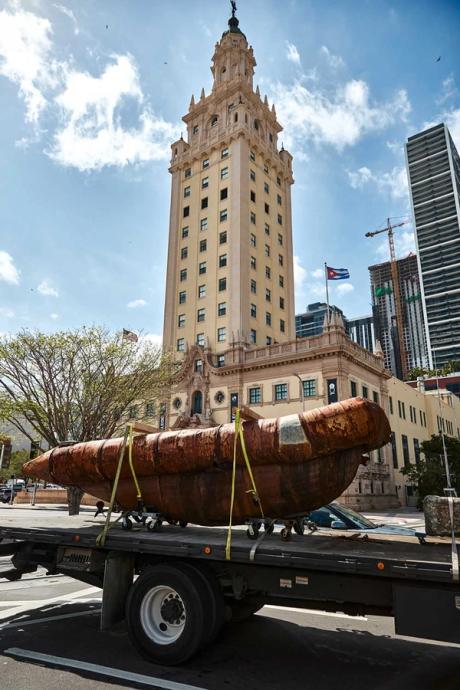
Artists Antonia Wright and Ruben Millares are showcasing a salvaged, bullet-ridden Cuban migrant vessel at Miami’s Piero Atchugarry Gallery. The exhibition, titled 'Exile', serves as a visceral focal point for the escalating humanitarian crisis in Cuba, where citizens face systemic collapse, starvation, and political imprisonment. Through the concept of 'embodiment' rather than mere empathy, the artists confront the harrowing 93-mile journey across the Straits of Florida undertaken by those desperate to escape the island's dictatorship.

Embracing Friction in the Art World

A small non-commercial gallery in Brooklyn, Subtitled NYC, is hosting an exhibition by artists Pap Souleye Fall and Char Jeré that intentionally embraces "friction"—the slow, bumpy, and human experience—as a rejection of optimization culture in the art world. In other news, the Pentagon has reportedly banned press photographers after Defense Secretary Pete Hegseth complained about unflattering images, and over 200 artists, including Brian Eno, have petitioned the British Museum to stop altering texts related to Palestine.

fall of freedom 2025 2716978

Across the U.S., artists and organizations have organized over 600 pop-up events, performances, readings, and other creative protests as part of Fall of Freedom, a new artist-led movement launching November 21–22. Initiated by artist, curator, and writer Accra Shepp and Puerto Rican artist Miguel Luciano, the program aims to activate the culture community against growing authoritarian threats. Events range from a participatory art action by ABC No Rio in Madison Square Park to a video installation by Los Herederos in a New York subway station, a roving digital billboard by NYC Resistance Salon, and a benefit concert at Pioneer Works headlined by Sheryl Crow. Participating venues include 601ArtSpace, Jack Shainman Gallery, Cristin Tierney Gallery, Ronald Feldman Fine Arts, El Museo del Barrio, and the Bronx Museum, though major institutions are notably absent.

RADICAL SOFTWARE: WOMEN, ART & COMPUTING 1960–1991

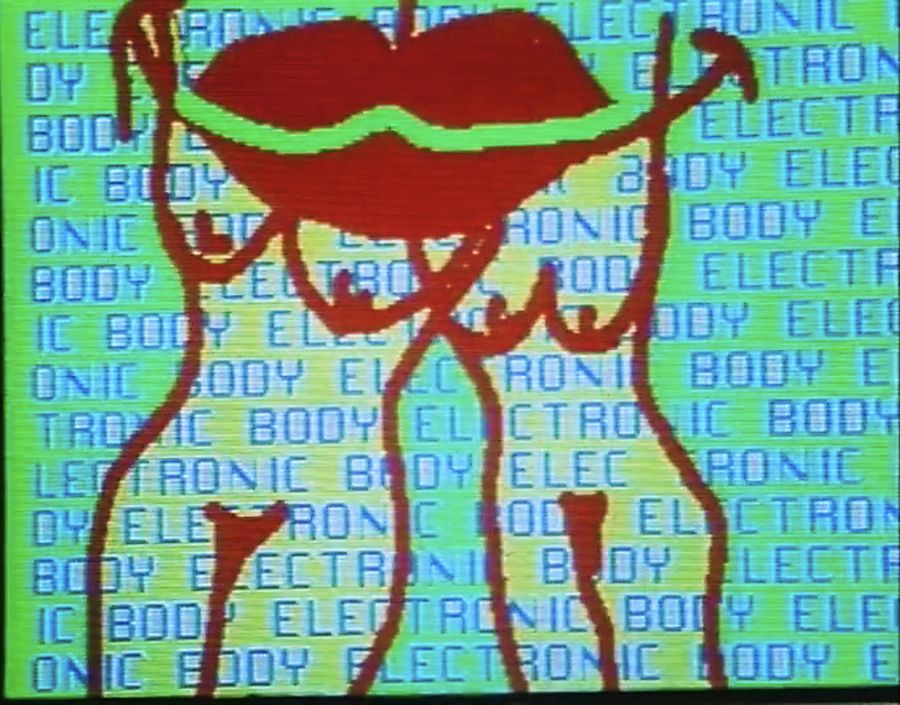
Kunsthalle Wien presents "Radical Software: Women, Art & Computing 1960–1991," a landmark exhibition foregrounding the pioneering role of women in early digital art. Organized with Mudam Luxembourg, the show brings together over one hundred works by fifty artists from European and U.S. collections, spanning painting, sculpture, installation, film, performance, and computer-generated works. The title references the 1970 magazine "Radical Software" by Beryl Korot, Phyllis Segura, and Ira Schneider, which envisioned decentralized access to information. The exhibition traces digital art from mainframe experiments in the 1960s through the microcomputer revolution, highlighting artists like Charlotte Johannesson, who traded a tapestry for an Apple II in 1978.

At the Every Woman Biennial, Joy Becomes a Form of Resistance

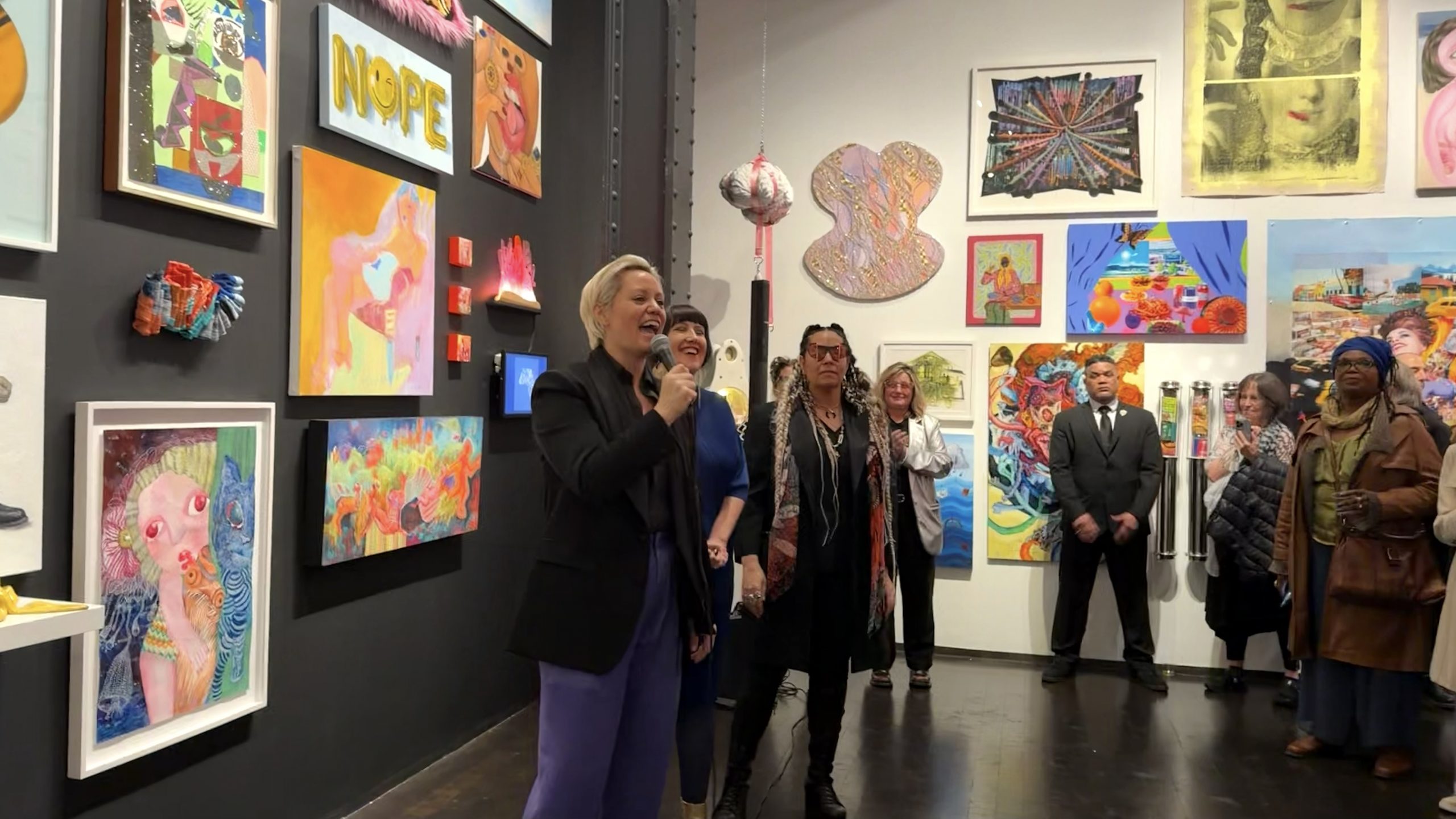
The sixth edition of the Every Woman Biennial opened at New York's Pen + Brush gallery, featuring hundreds of works by women and nonbinary artists in a densely hung, salon-style exhibition. The event, which began as a one-night pop-up in 2014, has grown into a major intergenerational showcase, mixing emerging artists with established names like Swoon and Mickalene Thomas, and includes performances and installations.

International artists speak of life as resistance, inspired by George Grosz: The exhibition in Rome

Artisti internazionali parlano della vita come resistenza, ispirandosi a George Grosz. La mostra a Roma

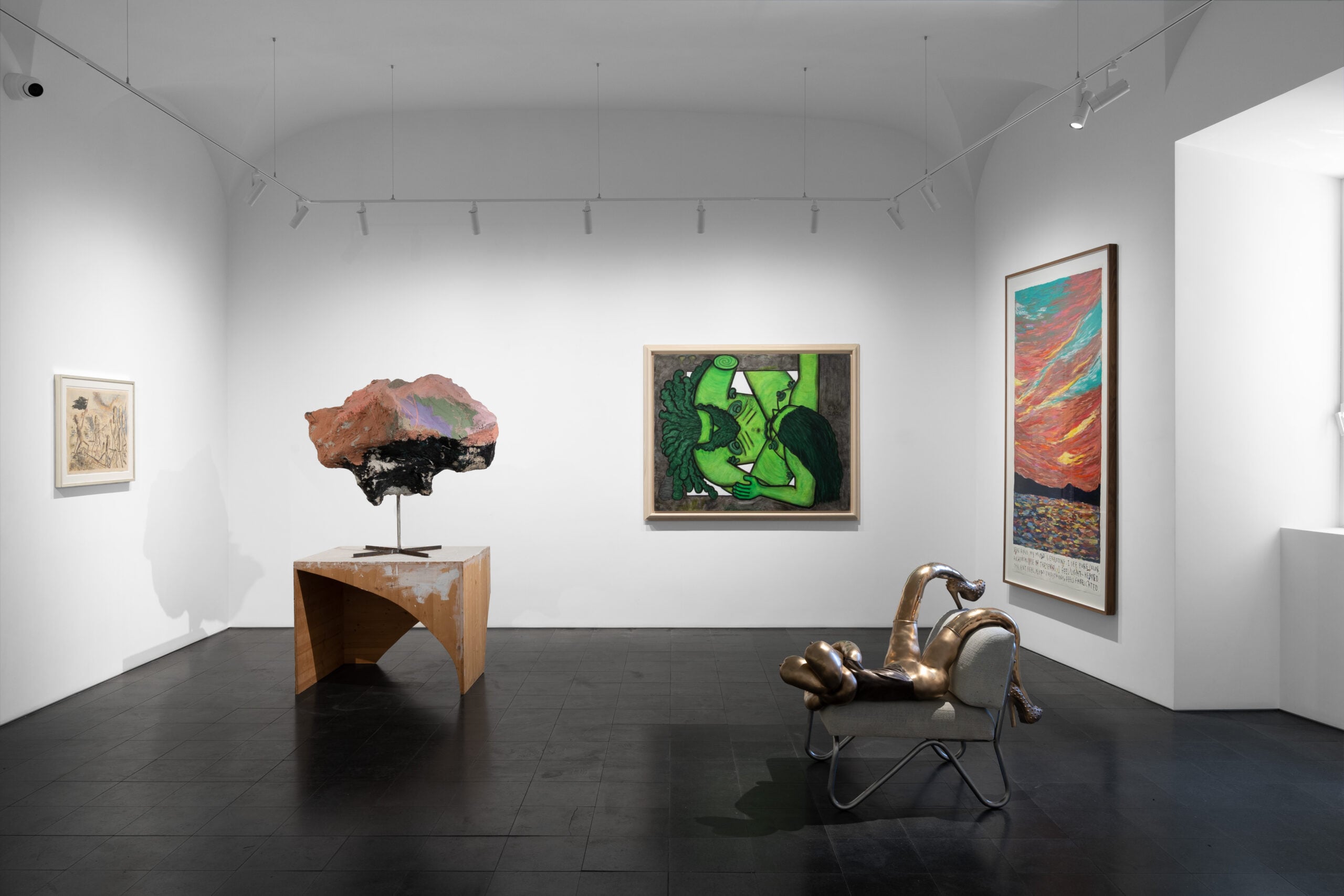
Tim Van Laere Gallery in Rome is hosting "Lust for Life," a group exhibition that explores the human impulse for creative resistance against societal fragility and global conflict. The show is anchored by the historical works of German artist George Grosz, whose drawings from 1912 to 1947 depict the alienation, loss of identity, and physical decay caused by world wars and totalitarian power.

art basel abbas ruanne abou rahme brown bell gallery

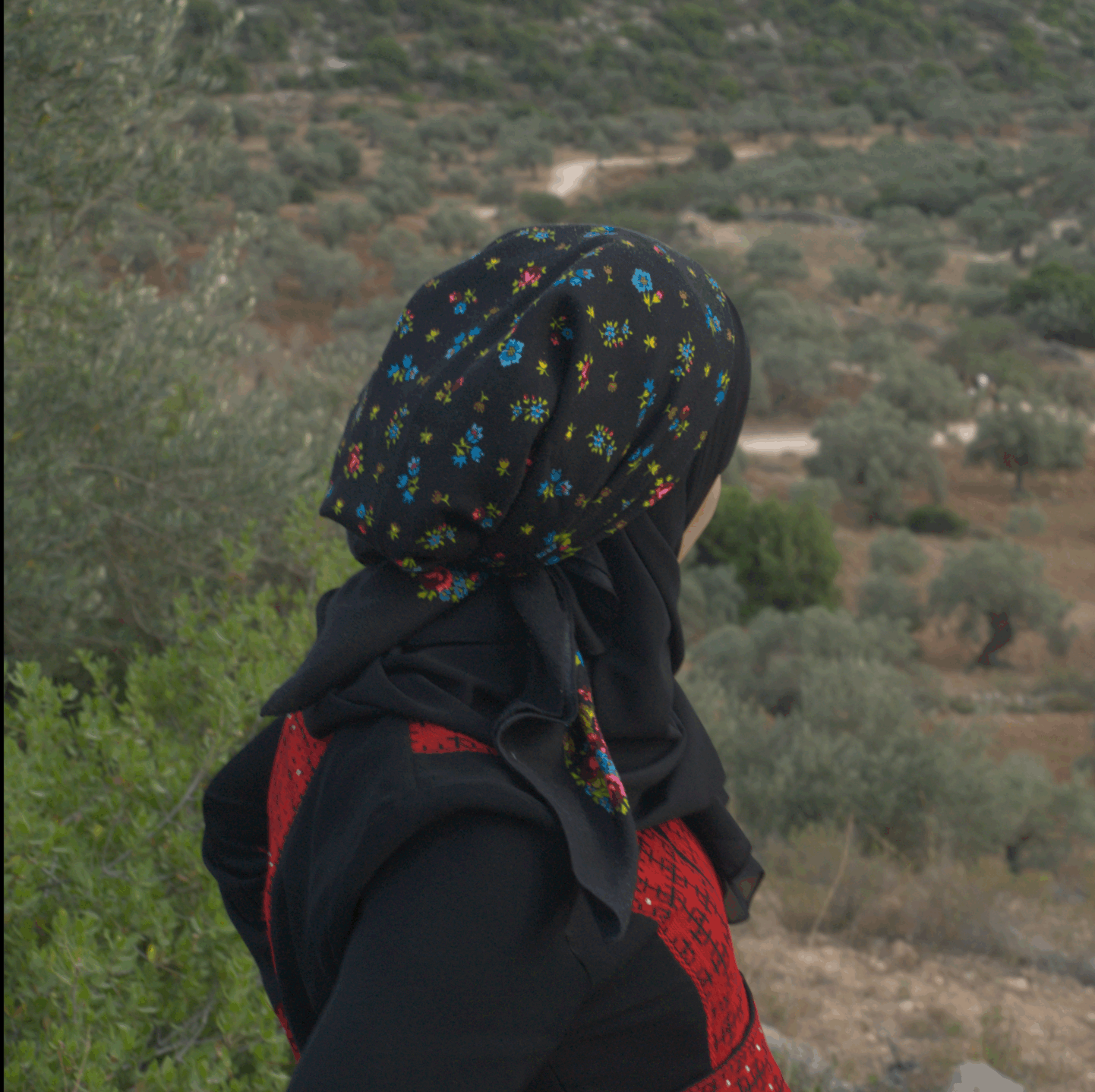
An exhibition titled "Prisoners of Love: Until the Sun of Freedom" by artists Basel Abbas and Ruanne Abou-Rahme is on view at the Bell Gallery at Brown University until May 31. The show centers on a historical misattribution: the poem "Enemy of the Sun," found in the cell of Black Panther George Jackson after his 1971 murder, was long thought to be his work but was actually written by Palestinian poet Samih al-Qasim. Through a video installation featuring interviews with former political prisoners in Palestine, the artists explore what they call "radical kinship" between Black radical thinkers in the U.S. and Palestinian activists. Curators Kate Kraczon and Thea Quiray Tagle, who were terminated from Brown last December, collaborated on the project, which also draws on archival research into mass incarceration.

KÜTRAL VARGAS HUAIQUIMILLA: PERFORMING BLOOD, INHABITING ITS FLOW, DIMENSIONING THE WOUND

KÜTRAL VARGAS HUAIQUIMILLA: PERFORMAR LA SANGRE, HABITAR SU FLUJO, DIMENSIONAR LA HERIDA

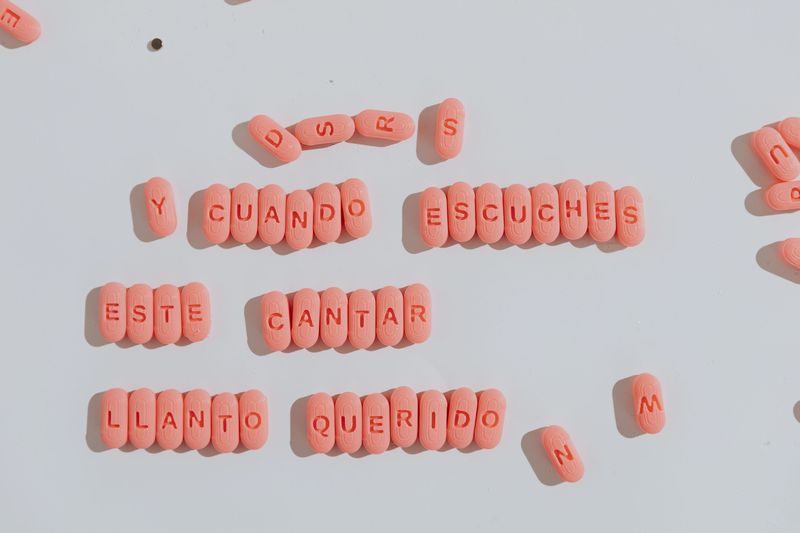
Mapuche visual artist and performer Kütral Vargas Huaiquimilla presents "Performance de la sangre" (Performance of Blood) at Galería Gabriela Mistral in Santiago, Chile. Based on the artist's 2024 novel of the same name, the exhibition utilizes video-performance, sculpture, and clinical materials like medication vials to explore the intimate and collective experience of living with HIV. The project marks a significant interdisciplinary intersection of Mapuche identity, pharmacology, and contemporary medicalization.

Fowler Museum at UCLA presents ‘Construction, Occupation,’ exploring art, activism and housing justice

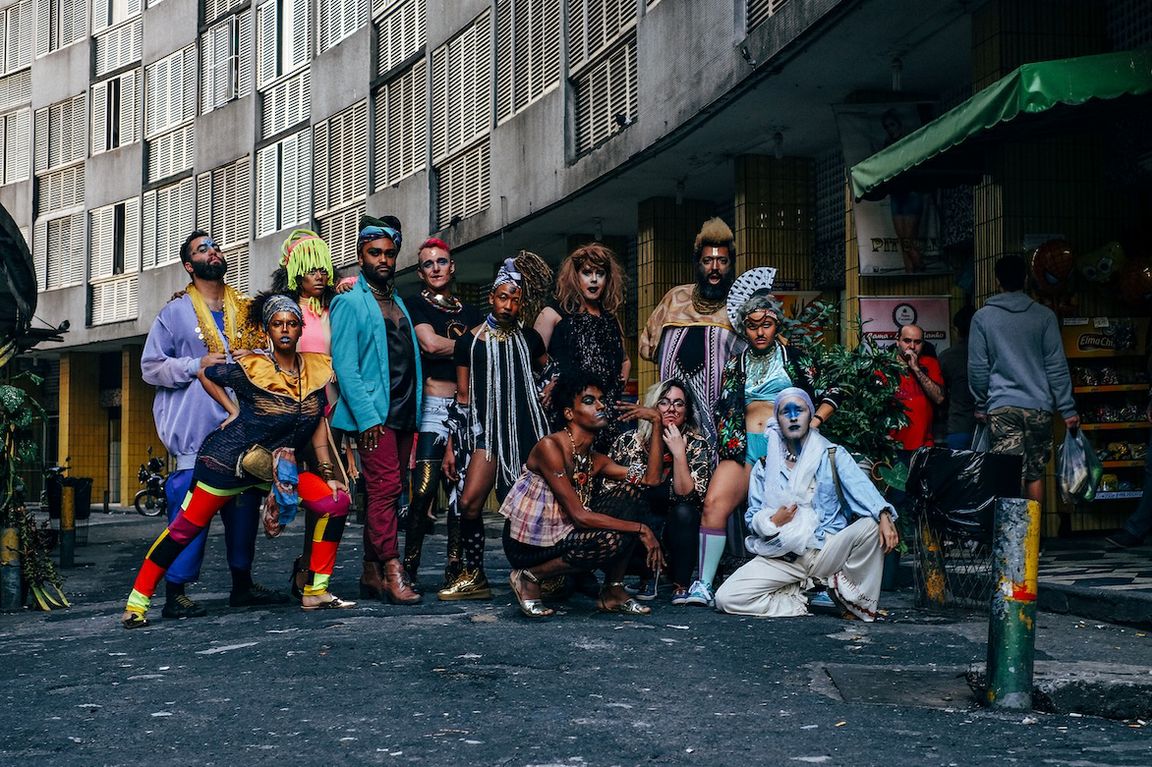
The Fowler Museum at UCLA has opened 'Construction, Occupation,' an exhibition exploring the intersection of art, activism, and housing justice. The show revisits the 2016–17 occupation of the abandoned Cambridge Hotel in São Paulo, Brazil, by low-wage workers, refugees, and artists—a project known as the Cambridge Artistic Residency (CARe)—which led to the building's transformation into government-funded social housing and a cultural hub. Curated by Alex Ungprateeb Flynn, Juliana Caffé, and Yudi Rafael, the exhibition features 24 artists and collectives, primarily from Brazil, with photography, video, installations from the original residency, and newly commissioned works. It runs through January 11, 2026.