filter_list Showing 15 results for "critical review" close Clear
search
dashboard All 15 rate_review review 9article news 3museum exhibitions 2article culture 1
date_range Range Today This Week This Month All
Subscribe

Konrad Mägi review – these bland, blobby paintings are expressionism without expression

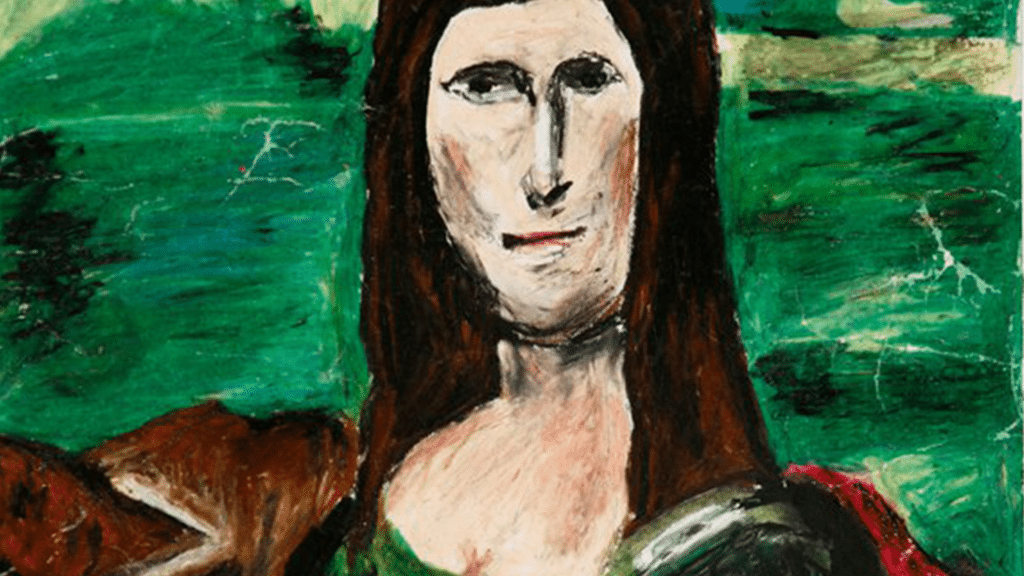
A new exhibition of early 20th-century Estonian painter Konrad Mägi at Dulwich Picture Gallery has received a scathing critical review. The reviewer finds Mägi's colorful, modernist-influenced landscapes and portraits to be bland, derivative, and devoid of the emotional depth or urgency found in the great modernists or the gallery's own Old Master collection.
The New New Museum

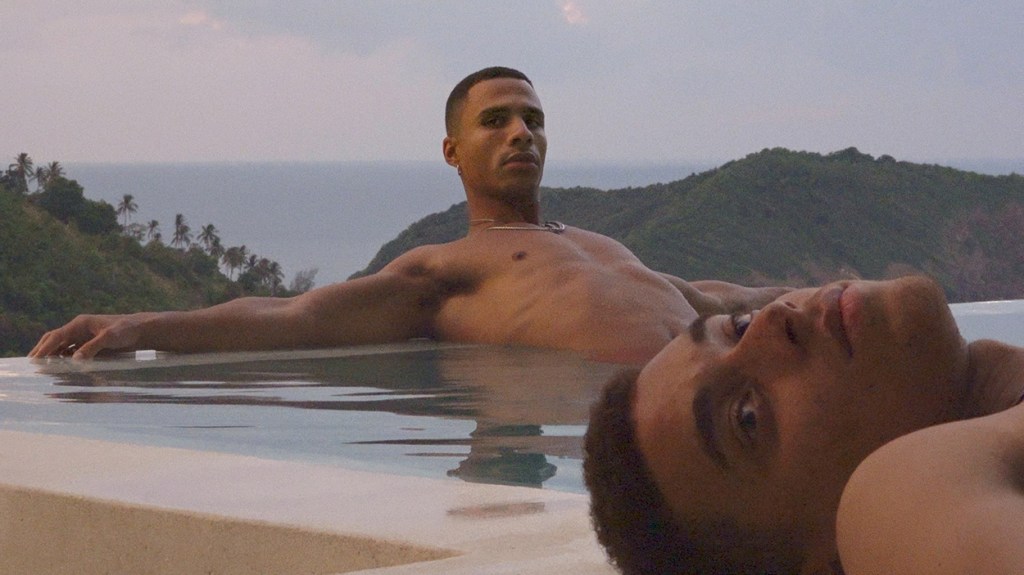
The New Museum in Manhattan reopens to the public after a two-year closure, marked by a major expansion and a new building. Its inaugural exhibition explores themes of humanity amid technological change, though the architectural redesign has drawn some criticism from New Yorkers for its perceived corporate and hostile aesthetic.

Hydrojustice: A Review

A Non-Aspirational Justice: Review of Hydrojustice

The article is a critical review of Andreas Philippopoulos-Mihalopoulos's book 'Hydrojustice,' which uses the concept of water as a lens to critique traditional, top-down legal justice and propose a more fluid, collective, and embodied alternative. The review frames this analysis through the recent erasure of a Banksy graffiti piece on the London Courts of Justice, which depicted a judge violently silencing a protester.

Two Museums Take on Performative Masculinity, Looksmaxxing, Incels, and Other Macho Buzzwords That Don’t Belong There.

The Stedelijk Museum and Kunstmuseum St. Gallen have co-organized an exhibition titled "Beyond the Manosphere: Masculinities Today," which aims to critically examine contemporary masculinity and its online manifestations such as incels, looksmaxxing, and pickup artists. The show features works by artists including Reba Maybury and Richard Serra, and is curated by Melanie Bühler, with directors Rein Wolfs and Gianni Jetzer overseeing the project. The exhibition will travel from the Stedelijk to the Kunstmuseum St. Gallen later this year.

Everyone Keeps Getting Yoko Ono Wrong

Paul Morley's new biography of Yoko Ono, *Love Magic Power Danger Bliss*, attempts to reframe the artist beyond her reputation as a 'Beatles wife' but ultimately fails, according to this critical review. The book covers Ono's first three decades, from her birth in Japan in 1933 to meeting John Lennon in 1969, but is dominated by lengthy asides on male avant-garde figures like George Maciunas and Pete Townshend, leaving Ono a passive presence in her own story. Morley promises not to mention Lennon but breaks that promise, and the review argues the book is aimed more at 'rock dads' still upset about the Beatles breakup than at understanding Ono's artistic contributions.

The Whitney Biennial Is for the Faint-Hearted

A critical review of the 2026 Whitney Biennial argues that the exhibition is timid and fails to directly confront the urgent political crises of the moment, including domestic authoritarianism, state violence, and immigration policies. The reviewer finds the show somber, fearful, and overly focused on mood and introspection, suggesting it represents a retreat from meaningful political engagement.

Roses and Thorns of Greater New York

The article is a digest of recent art news, with a primary focus on critical reviews of the 2026 "Greater New York" exhibition at MoMA PS1. Hyperallergic's editorial team provides mixed assessments of the works in the massive quinquennial survey of local artists. The piece also covers American-French sculptor Barbara Chase-Riboud's decision to decline an invitation to represent the United States at the 61st Venice Biennale, citing the problematic nature of the pavilion's commissioning entity.

"Etwas zaghaft, etwas ängstlich, etwas sicher"

The article surveys recent art-world commentary, focusing on a critical review of the Turner Prize shortlist in The Guardian, where Eddy Frankel calls the selection "timid, anxious, safe" and laments a self-perpetuating, elitist system. It also covers a Hyperallergic essay by Lisa Siraganian questioning whether artworks can possess personhood, sparked by Pierre Huyghe's Venice exhibition. Additionally, it reports on controversy at the Venice Biennale, where the jury preemptively excluded countries whose leaders are sought by the International Criminal Court—namely Russia and Israel—drawing sharp criticism from Die Welt's Marcus Woeller. A podcast interview with US sculptor Alma Allen, selected for the US Pavilion, rounds out the coverage.

What We Loved (And Didn’t) in “Greater New York”

The article presents a critical review of the 2026 "Greater New York" exhibition at MoMA PS1, a massive survey featuring over 150 works by more than 50 artists. The Hyperallergic editorial team highlights specific artists and works they loved, disliked, or found puzzling, offering a curated list of around 20 standout pieces. The review includes detailed commentary on individual works by artists like Dean Millien, the collective Red Canary Song, and Kameron Neal, capturing the diverse and often contentious reactions the show provokes.

White Girls and the Global South

The article is a curated list of art books for spring reading, featuring a diverse range of subjects. It highlights two main critical reviews: one critiques a new novel, *Flat Earth* by Anika Jade Levy, as another navel-gazing story about disaffected white women, while the other praises a scholarly work, *Non-Aligned: Art, Decolonization and the Third World Project in India* by Atreyee Gupta, which examines the international solidarity networks of Indian modernist painters long before the term "Global South" became popular.

The Spiritual Ear: On Daniel Heller-Roazen’s Far Calls

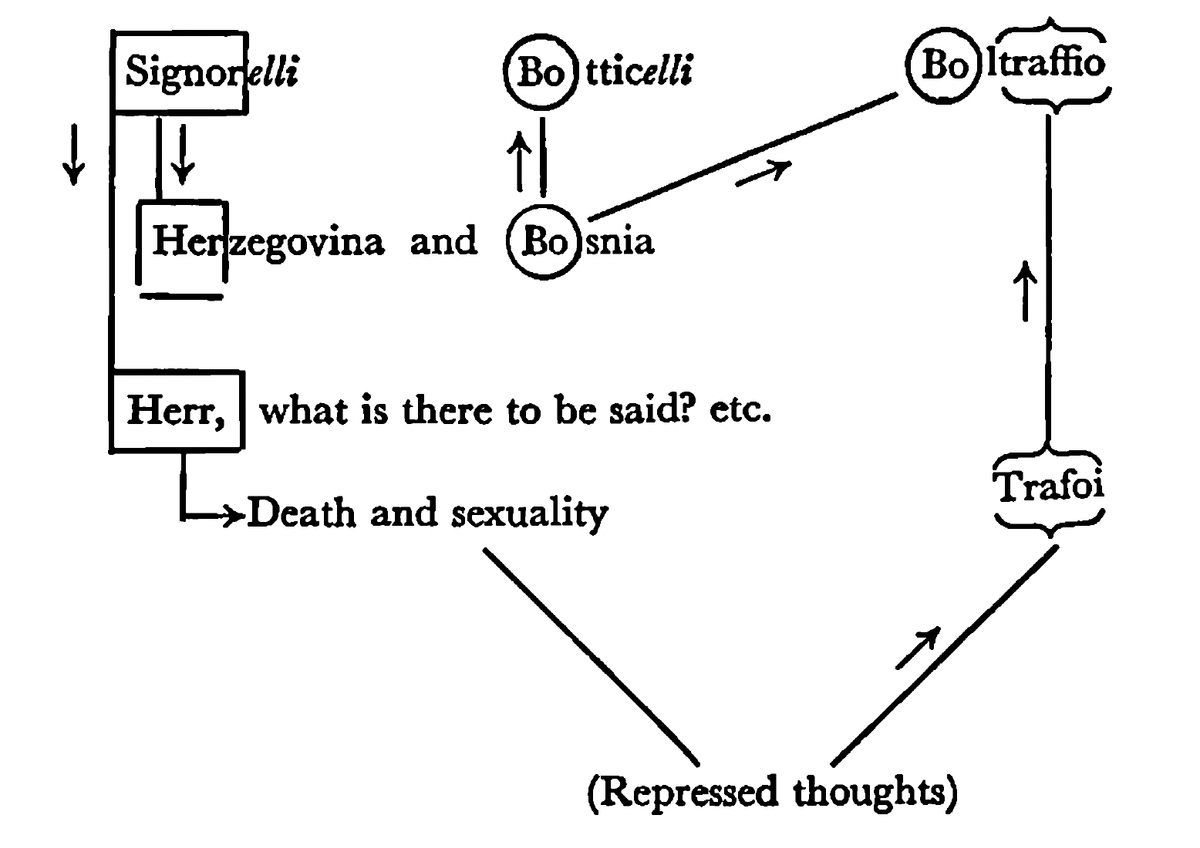
The article is a critical review of Daniel Heller-Roazen's new book, 'Far Calls: On Omens, Slips, & Epiphanies.' It examines the book's central thesis, which explores the historical and philosophical concept of a 'spiritual ear'—the interval between speaking and hearing where language escapes its intended meaning, giving rise to omens, slips of the tongue, and epiphanies. The review traces Heller-Roazen's genealogical investigation from ancient divinatory practices to modern psychoanalysis, highlighting his argument that linguistic accidents hold prophetic potential.

Sung Tieu and the Art of Difficulty

Sung Tieu, a Vietnamese-born German artist, is the subject of a critical feature in Frieze that examines her work's engagement with difficulty—both in terms of the complex political and historical themes she tackles and the challenging formal qualities of her installations. The article highlights her recent projects, including works shown at the Venice Biennale, which address issues of surveillance, migration, and Cold War legacies through meticulous research and unconventional materials.

People Watching at an Auckland Art Gallery opening night

Illustrator Toby Morris attended the opening party for the 'Pop to Present: American Art' exhibition at Auckland Art Gallery Toi o Tāmaki, as part of his regular 'People Watching' series for Sunday magazine. The exhibition is drawn from the collection of the Virginia Museum of Fine Arts and features American art from the Pop era to the present day.

11 Worst Modern Art Collection & It’s Reviews

The article presents a list of what it considers the worst modern artworks, including Jackson Pollock's abstract expressionist paintings, Tracey Emin's installation 'My Bed,' and Damien Hirst's project 'The Currency.' It offers personal commentary and critical reviews for each piece, questioning their artistic merit and cultural value.

biennale of sydney jewish group pro palestine artists

The Biennale of Sydney has officially denied allegations of discrimination and bias following claims from Australia’s Jewish community that the exhibition's selection process favored anti-Zionist artists. The controversy intensified when the NSW Jewish Board of Deputies declined a preview invitation, citing "objectionable social media activity" by participating artists rather than the artworks themselves. In response, the Biennale maintained that its selection process is based strictly on artistic merit and that the organization maintains a zero-tolerance policy toward all forms of racism, including antisemitism and Islamophobia.