
filter_list Showing 2 results for "cultural democracy" close Clear
search
dashboard All 2 article culture 2
date_range Range Today This Week This Month All
Subscribe

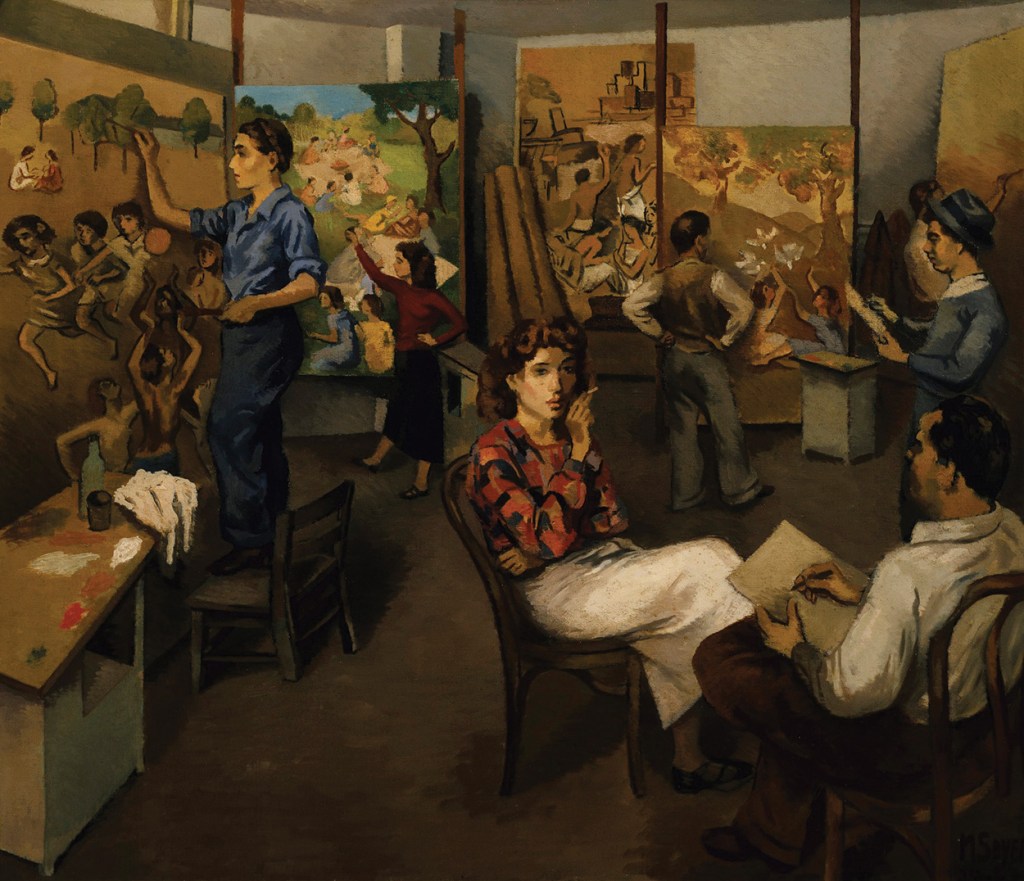
How the New Deal Treated Art as Essential to Democracy

The United States government transformed the role of the artist during the Great Depression by treating art as a vital public resource rather than a private luxury. Between 1933 and 1943, New Deal programs like the Public Works of Art Project (PWAP) commissioned hundreds of thousands of works for schools, libraries, and hospitals, providing 'plumbers' wages' to struggling creators. This federal patronage supported a generation of then-unknown figures, including Jackson Pollock, Mark Rothko, and Alice Neel, while focusing on the 'American scene' to make culture accessible to the general public.

Monuments & Weapons: How Public Space Prepares Us for War Without Us Even Realizing It

Monumenti&armi. Così lo spazio pubblico ci prepara alla guerra senza che neppure ce ne rendiamo conto

Public squares and urban spaces are densely populated with war-related monuments that condition society to accept conflict as a historical inevitability. A study by Philadelphia’s Monument Lab reveals that nearly 60% of U.S. monuments focus on war themes, outnumbering themes of peace thirteen-fold, while Italy maintains over 12,000 memorials dedicated solely to World War I. These structures often prioritize military hierarchy and territorial conquest over themes of care, gender equality, or social diversity.