filter_list Showing 5 results for "curatorial shift" close Clear
dashboard All 5 museum exhibitions 5
date_range Range Today This Week This Month All
Subscribe

Behind every great artist... there is a great gallery. A look at the 2026 Venice Biennale

Dietro ogni grande artista… c’è una grande galleria. Un punto sulla Biennale Arte 2026

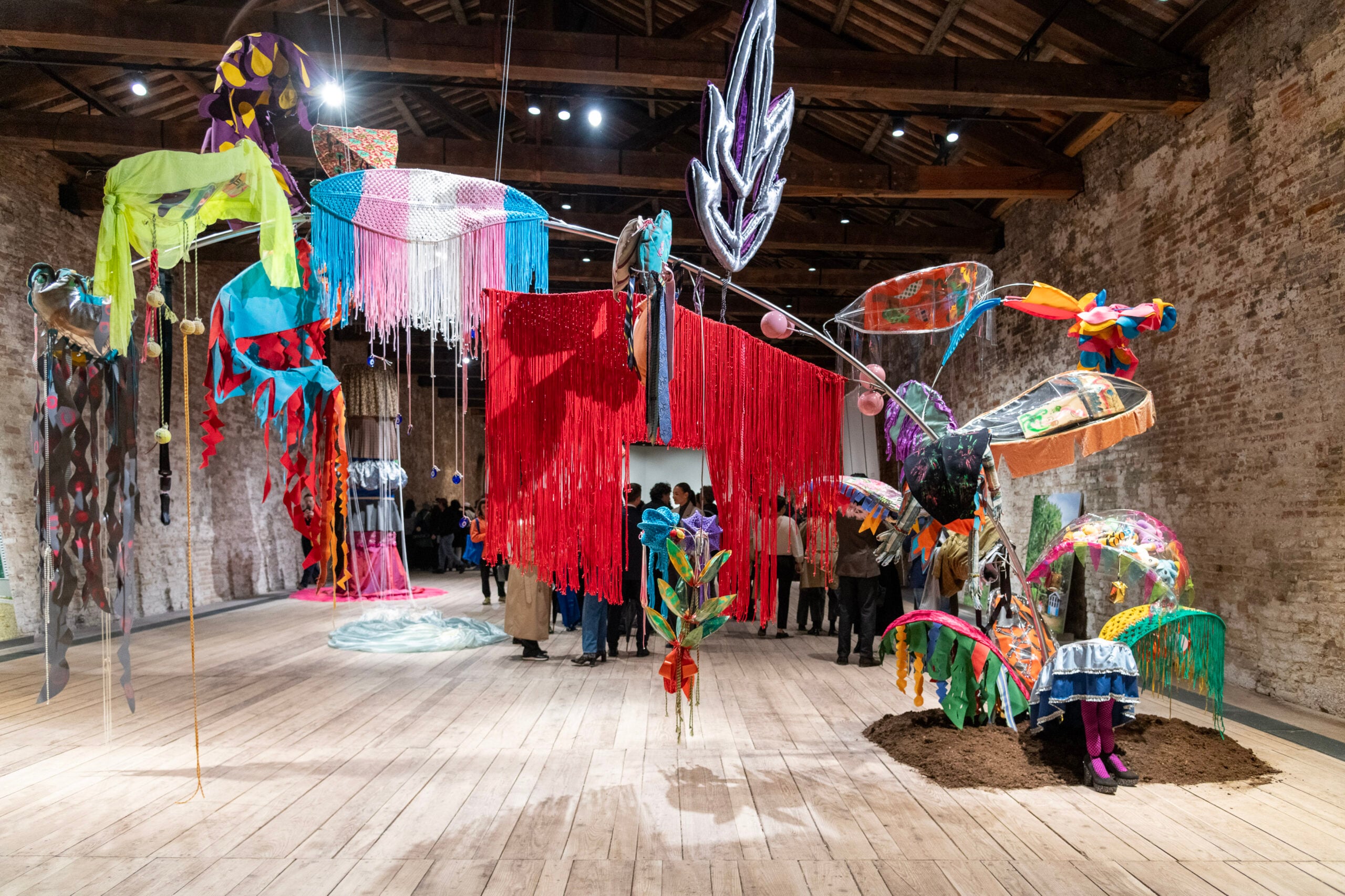
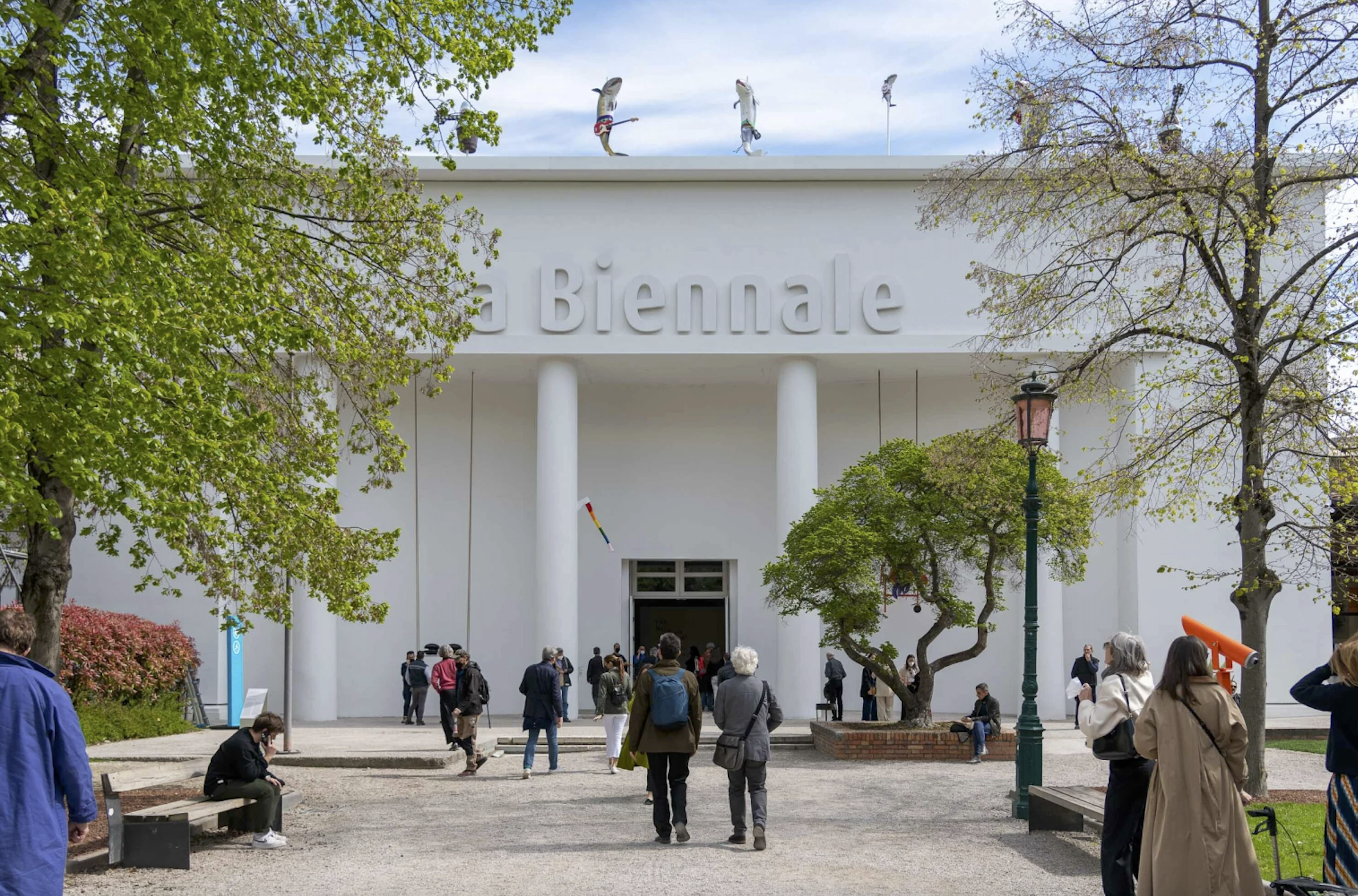
The 61st Venice Biennale, titled "In Minor Keys" (May 9 – November 22, 2026), features over 90% living artists, a significant shift from recent editions focused on historical rediscoveries. Curated by the late Koyo Kouoh (1967–2025), the first African woman to lead the Biennale, the exhibition includes 111 artists, with a majority of women (64 vs. 48 men) and the highest percentage of African-born artists ever (20%). Notable participants include Nick Cave, Carsten Höller, Alfredo Jaar, and Kader Attia, with a focus on mid-career and established figures rather than emerging or deceased artists.

History, Culture, and Place Ground LACMA’s Breathtaking New David Geffen Galleries

The Los Angeles County Museum of Art (LACMA) has opened its new David Geffen Galleries, a long, elevated concrete structure designed by Pritzker Prize-winning Swiss architect Peter Zumthor. The building, more than 20 years in the making, replaces much of LACMA's mid-century campus with a single winding gallery that hovers above Wilshire Boulevard. A ribbon-cutting ceremony was held on Sunday, followed by a two-week member preview, with the public opening scheduled for May 4. The project is the vision of longtime director Michael Govan, who sought to create a museum without hierarchy, placing objects from different geographies and time periods in dialogue. Artist Mariana Castillo Deball was commissioned to create a plaza installation that incorporates native animal tracks, Mesoamerican imagery, and the labor of migrant workers, reflecting themes of migration and cultural exchange.

Who Are the Custom Mannequins in “Costume Art” Based On? We’re So Glad You Asked

The Metropolitan Museum of Art's 2025 Costume Institute exhibition, "Costume Art," features 25 mannequins modeled after nine real people with diverse body types and mobilities. Curator Andrew Bolton collaborated with artist Samar Hejazi, who created mirrored faceless heads for the mannequins, and artist Tanda Francis, who modeled features after historical figures like André Grenard Matswa. The mannequins are distributed across two thematic sections: "Disabled Body," featuring individuals such as writer Sinéad Burke, athlete Aimee Mullins, and models Aariana Rose Philip, Antwan Tolliver, and Sonia Vera, along with imagery of the late drag performer Goddess Bunny; and "Corpulent Body," featuring models Jade O'Belle, Charlie Reynolds, artist Michaela Stark, and singer Yseult. The living subjects underwent 3D photogrammetry scanning to recreate their likenesses.

HOW TO READ A POROUS WORK AT PINTA LIMA 2026

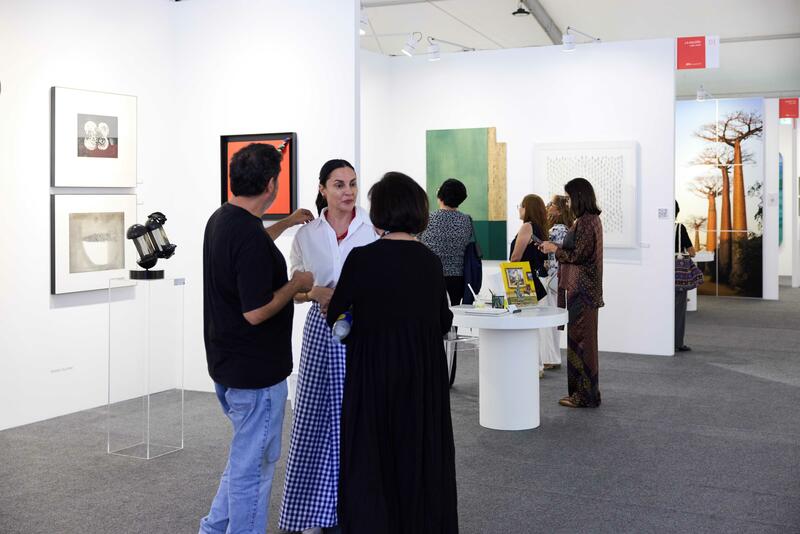
Casa Miraflores presents the RADAR section titled "Porous Systems" at Pinta Lima 2026, curated by Ilaria Conti. The section features Guatemalan center La Galería Rebelde and artist Angélica Serech, whose textile works draw from Maya Kaqchikel knowledge, alongside artists Diana Eusebio, Luciano Giménez, Alberto Casari, and Carlos Luis "Pajita" García Bes. The exhibition explores permeability, process, and the meeting of inherited knowledge with contemporary languages.

Delicacy as Resistance. Interview with the Curator of the Turkey Pavilion at the Venice Biennale

La delicatezza come resistenza. Intervista alla curatrice del Padiglione Turchia alla Biennale di Venezia

For the 2026 Venice Biennale, the Turkey Pavilion, commissioned by the Istanbul Foundation for Culture and Arts (İKSV), will present "A Kiss on the Eyes" by artist Nilbar Güreş, curated by Başak Doğa Temür. The exhibition takes its title from a Turkish expression conveying affectionate closeness without intrusion, and features a mix of new productions and earlier works spanning sculpture, installation, painting, and works on paper and fabric. In an interview, curator Temür explains that the project avoids a retrospective or didactic approach, instead creating a spatial rhythm of approach, pause, and slight withdrawal, where intimacy, politics, irony, and fragility press against one another.