
filter_list Showing 3 results for "daisy fancourt" close Clear
dashboard All 3 article culture 1article news 1rate_review review 1
date_range Range Today This Week This Month All
Subscribe

uk museums increasingly turning to public to make decisions trump auctions off jesus christ painting for 2 75 m morning links for january 2 2026 1234768600

British museums are increasingly turning to citizens' assemblies to guide policy, priorities, and funding decisions, with the National Gallery launching its NG Citizens panel following similar initiatives at Birmingham Museums Trust, the Imperial War Museum, and the Migration Museum. Separately, Donald Trump hosted a New Year's Eve gala at Mar-a-Lago where a live-painted portrait of Jesus Christ by artist Vanessa Horabuena sold for $2.75 million, with proceeds split between St. Jude's Children's Hospital and the local sheriff's department. The article also reports a £30 million donation to the Royal Academy of Music's museum, the discovery of a 9,500-year-old cremation pyre in Malawi, a list of major 2026 exhibitions, the death of artist Janet Fish, and research by Daisy Fancourt linking arts engagement to better health outcomes.
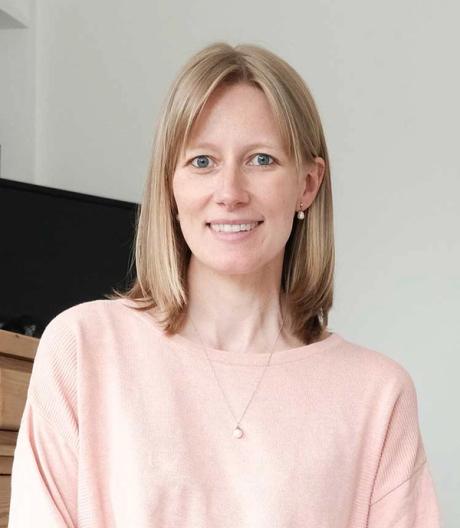
Not just dollars, euros and pounds: Tefaf speaker sets out art’s deep value for wellbeing

Professor Daisy Fancourt presented research at the Tefaf Summit in Maastricht, detailing the measurable health benefits of arts engagement. Her findings, drawn from longitudinal data and biological markers, show arts therapies can double symptom improvement for depression and regular cultural attendance can nearly halve depression risk over a decade.

Is Art Good for Your Health?

A new book titled 'Art Cure' by scientist Daisy Fancourt argues that engaging with the arts has significant, measurable benefits for both mental and physical health. The author, a professor of psychobiology and epidemiology, compiles extensive research to claim arts experiences can prevent suicides, help manage epidemics, increase life expectancy, reduce depression, aid trauma recovery, enhance neuroplasticity, and even encourage healthier eating habits.