filter_list Showing 7 results for "david zwirner books" close Clear
search
dashboard All 7 museum exhibitions 4article culture 1trending_up market 1article news 1
date_range Range Today This Week This Month All
Subscribe

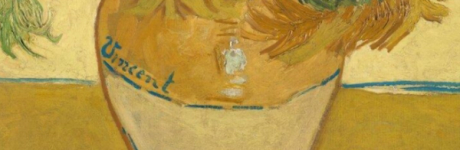
Why did Van Gogh sign his paintings as ‘Vincent’?

Art historian Julia Engelmayer has published a study titled 'Simply ‘Vincent’: An Overview of Van Gogh’s Signed Paintings' on the Van Gogh Museum's website, analyzing why and how Vincent van Gogh signed his works. The research reveals that only 133 of his 840 surviving paintings bear a signature (16%), an unusually low proportion for a 19th-century artist. Van Gogh signed with only his first name due to strained family relations and the difficulty non-Dutch speakers had pronouncing his surname. The study also highlights his predominant use of red signatures (on 75 works), angled signatures on over half of his signed pieces, and a distinctive horseshoe-shaped 'V' used during his Arles period.
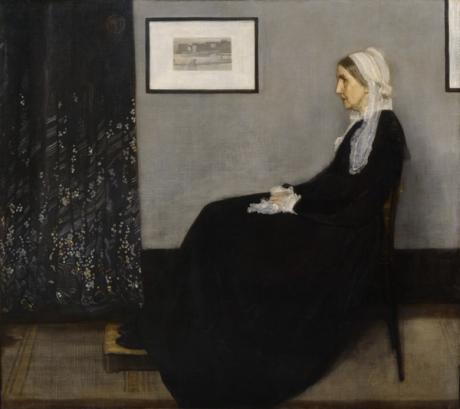
A tale of two Annas: Van Gogh’s favourite Whistler painting stars in Tate Britain show

Tate Britain will open a major exhibition titled *James McNeill Whistler* on 21 May, running through 27 September, before traveling to the Van Gogh Museum in Amsterdam (16 October–10 January 2027) under the subtitle *Dandy and Disrupter*. The show’s centerpiece is Whistler’s iconic *Arrangement in Grey and Black no. 1* (commonly known as *Portrait of the Painter's Mother*), on loan from the Musée d’Orsay in Paris and displayed in its original frame designed by the artist. The article explores Vincent van Gogh’s admiration for the painting—he wrote to his sister Wil in 1889 that it reminded him of their own mother—and traces the work’s connections to the Goupil gallery (later Boussod & Valadon), where both Vincent and his brother Theo worked.

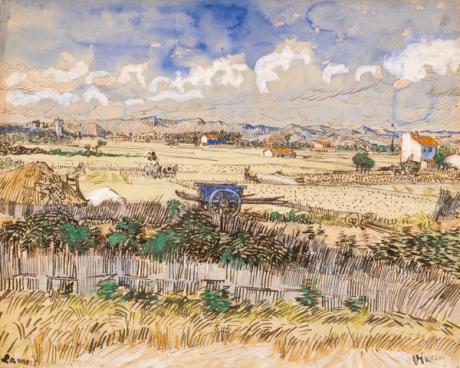
One of Van Gogh’s greatest watercolours could achieve a record price

Sotheby's New York will auction Vincent van Gogh's watercolor *The Harvest in Provence* (June 1888) on May 19, with an estimate of $25–35 million. The work, larger and more elaborate than a related watercolor at Harvard, was created just days before van Gogh's celebrated oil painting of the same scene. It is signed and titled, suggesting the artist considered it a finished piece rather than a mere study, and he sent it to his brother Theo before completing the oil version.

Rare early photographs reveal lost sites featured in Van Gogh’s paintings

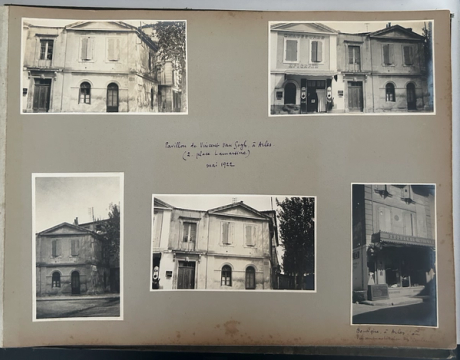
Two rare photographic albums taken by art critic Gustave Coquiot in 1922 have been acquired by the newly established Van Gogh Academy in Auvers-sur-Oise, France, and are now on display. The images capture many of the sites in Arles that Vincent van Gogh painted in the late 1880s, including the Yellow House, the Langlois Bridge, and the Rhône riverbank. Several of these locations were later destroyed during World War II or by modernization, making Coquiot's photographs valuable historical records of Van Gogh's original subjects.

The village where Van Gogh spent his final days celebrates its most distinguished visitor

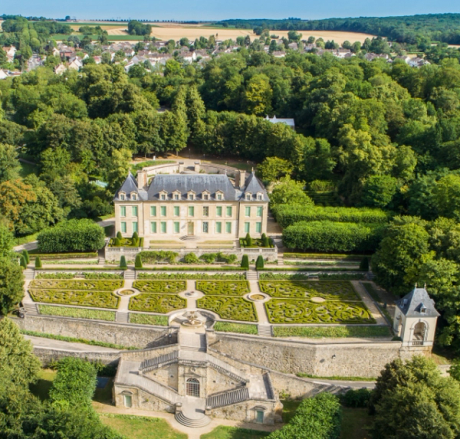
An exhibition titled "Van Gogh, Influencer: Legacies in Motion" has opened at the Château of Auvers-sur-Oise, the village near Paris where Vincent van Gogh spent his final 70 days and died by suicide in July 1890. The show, running until 3 January 2027, features nearly a hundred works by artists influenced by Van Gogh, including Léonide Bourges, Charles-François Daubigny, and Léo Gausson, though no original Van Gogh paintings are included. Curated by Wouter van der Veen, the exhibition explores visual parallels and stylistic contrasts between Van Gogh’s iconic works—such as *Church at Auvers* and *Wheatfield with Crows*—and those of his contemporaries and followers.

art criticism lynne tillman paying attention book

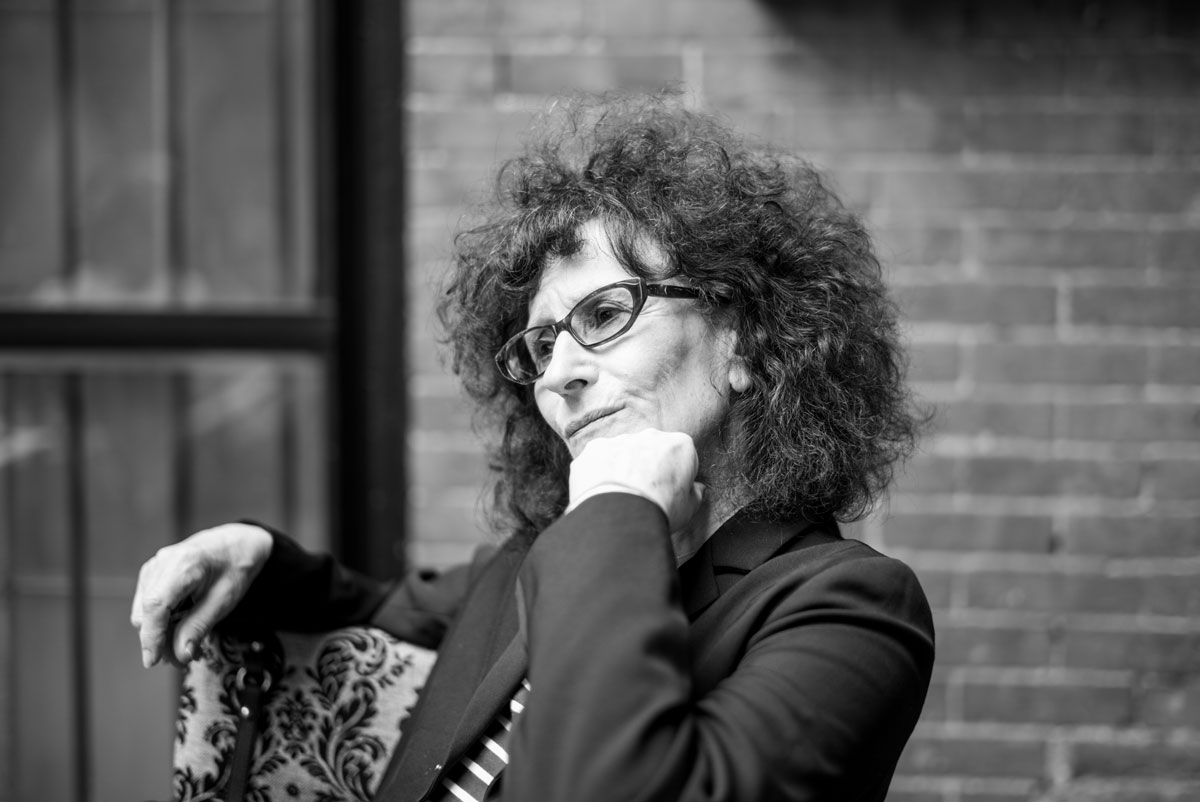
Lynne Tillman celebrated the publication of her new collection, *Paying Attention: Essays on Art and Culture*, from David Zwirner Books, at an event hosted by Coco’s at Colette. The article features a conversation between Tillman and the author, in which she discusses her origin story as a critic, her background in fiction writing, and her unconventional entry into art criticism through an invitation from Craig Owens at *Art in America*. She recounts writing a Madame Realism story about a Renoir exhibition after eavesdropping on museum tours, a piece that angered some art historians.

Raymond Pettibon, the Artist Behind Some of the Most Iconic Album Covers

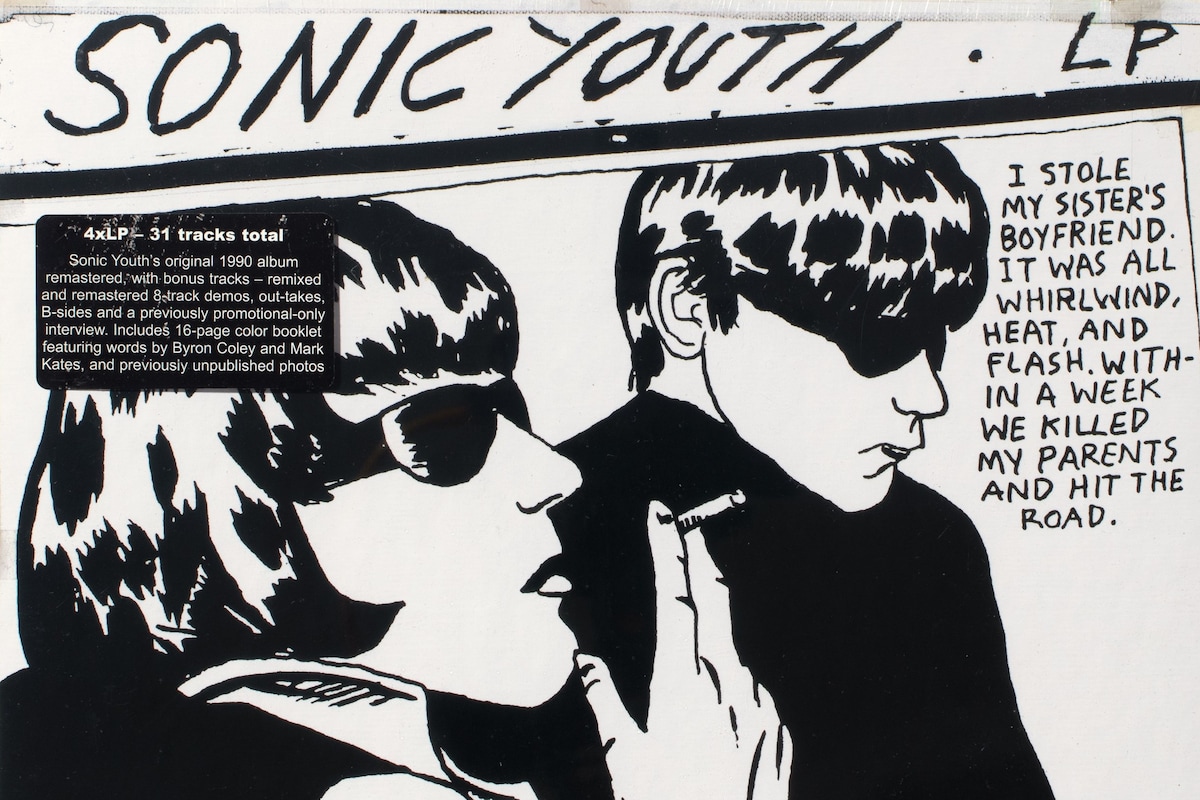
A new exhibition titled "Nervous Breakdown" at the Wilhelm-Hack-Museum in Ludwigshafen, Germany, presents the most comprehensive collection of Raymond Pettibon's album cover art to date. The show draws from over 200 works in the collection of Stefan Thull, spanning Pettibon's record, CD, and cassette covers from 1979 to the present, including iconic designs for Sonic Youth's "Goo" and Black Flag's logo. The exhibition is accompanied by a catalogue published by the museum and David Zwirner Books.