filter_list Showing 5 results for "electronic art" close Clear
dashboard All 5 article news 4museum exhibitions 1
date_range Range Today This Week This Month All
Subscribe

canyon video art performance sound new york space 1234745078

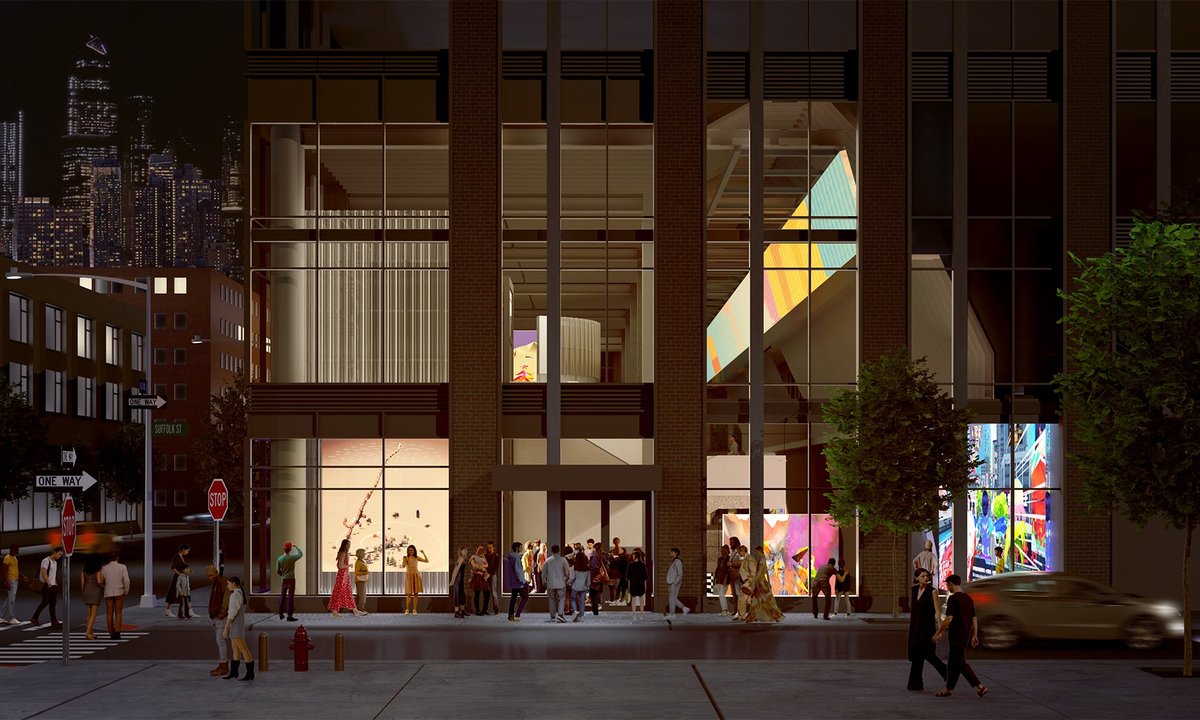
A new arts institution called Canyon is set to open on Manhattan's Lower East Side in 2026, occupying a 40,000-square-foot former commercial space at the foot of the Williamsburg Bridge. Founded by philanthropist and art collector Robert Rosenkranz and Joe Thompson, the founding director of MASS MoCA, Canyon will focus on video art, sound art, and performance art. The venue will include 18,000 square feet of exhibition space, a 60-foot-tall performance area, and a 300-seat performance hall. Early programming plans include a retrospective of Japanese artist Ryoji Ikeda and an expanded iteration of the video game-themed group exhibition "Worldbuilding," curated by Hans Ulrich Obrist. The architecture firm New Affiliates is redesigning the space, and Sam Ozer has been appointed curator-at-large. Admission will be $30, with free access for school groups and library cardholders.

canyon museum durational immersive art new york 2656883

New York City will gain a major new cultural venue in 2026 called Canyon, a 18,000-square-foot hub on the Lower East Side dedicated to durational, time-based art forms such as video, sound, and performance. Founded by philanthropist and collector Robert Rosenkranz, the space is designed by New Affiliates Architecture and will feature state-of-the-art galleries, a 300-seat performance hall, and a skylit piazza with food and beverage options. Joe Thompson, founding director of MASS MoCA, will serve as the venue's director. Canyon has already appointed conservator Cass Fino-Radin as director of art and technology and curator Sam Ozer as curator-at-large, with partners including Rhizome, Electronic Arts Intermix, and the Archive of Contemporary Music. Its inaugural exhibitions will include a major retrospective of Japanese new media artist Ryoji Ikeda and a show titled "Worldbuilding" curated by Hans Ulrich Obrist.

house of electronic arts tezos foundation digital art 1234772554

The House of Electronic Arts (HEK) in Basel and the Tezos Foundation have announced a year-long partnership to integrate blockchain technology into museum experiences. The collaboration includes virtual and physical exhibitions, workshops, and preservation initiatives, featuring six international digital artists. Exhibitions will be hosted on HEK's online platform virtual.hek and outdoors during Art Basel, with artworks released via the Tezos-based marketplace Objkt. The partnership also involves on-site kiosks and educational workshops on NFTs and digital ownership, as well as HEK's participation in the EU COST Action EMBARK training school on NFT preservation at ZKM in Karlsruhe.

New venue for video, sound and other durational art forms coming to Manhattan

A new nonprofit venue for durational art, Canyon, will open on Manhattan's Lower East Side in 2026. Founded by philanthropist Robert Rosenkranz through the Rosenkranz Foundation, the 40,000-square-foot adaptive reuse space is overseen by Joe Thompson, founding director of Mass MoCA. Designed by architecture firm New Affiliates, Canyon will feature 18,000 square feet of galleries for video and audio, a 60-foot-tall central plaza, a 300-seat performance hall, bars, a cafe, and a restaurant. Cass Fino-Radin joins as director of art and technology, with Sam Ozer as curator-at-large. Planned programming includes a retrospective of Ryoji Ikeda and a group exhibition curated by Hans Ulrich Obrist titled "Worldbuilding."

Signal & Trace Opening at Gallery One

A new exhibition titled "Signal & Trace" opens at Gallery One in Albuquerque's City Hall on July 10, featuring artworks by faculty from the University of New Mexico's Electronic Art & Technology program. The show includes interactive video, electronic textiles, thermal imaging, and speculative documentary works by artists such as Marie Alarcón, Chanee Choi, Stewart Skylar Copeland, Ramona Emerson, and others, exploring themes of surveillance, autonomy, memory, and identity through technological mediation.