filter_list Showing 6 results for "energy consumption" close Clear
dashboard All 6 museum exhibitions 4article policy 2
date_range Range Today This Week This Month All
Subscribe

los angeles institutions green protocol 1234776795

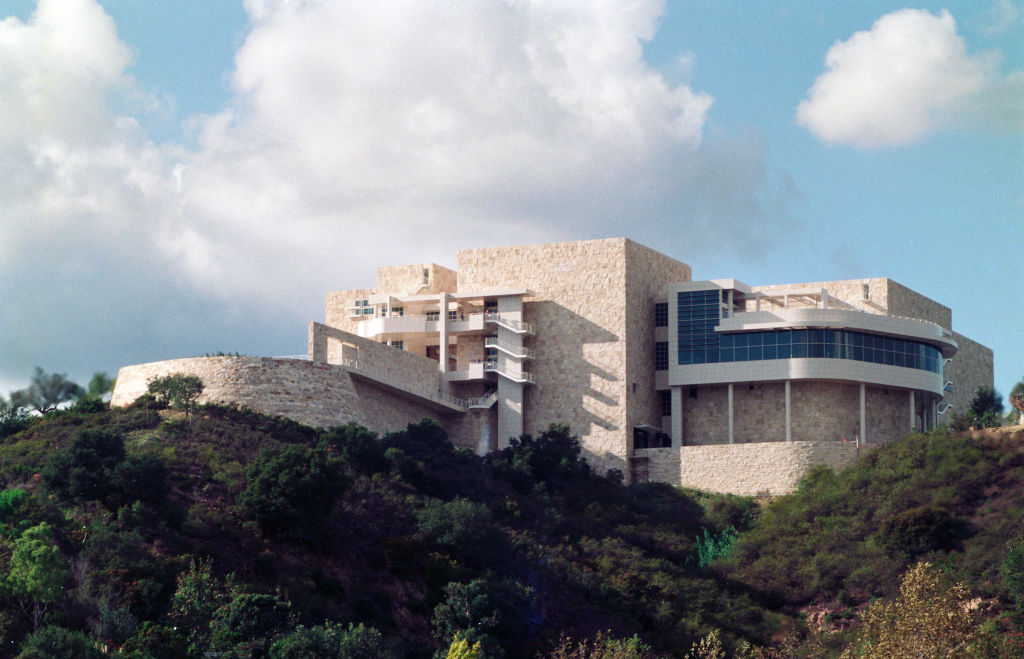
A coalition of Los Angeles’s leading art institutions, including the Getty, LACMA, MOCA, and the Hammer Museum, has officially pledged to adopt the Bizot Green Protocol. This collective commitment, which also includes the gallery Hauser & Wirth, establishes climate-minded guidelines for museum operations such as widening temperature and humidity parameters for galleries and reducing air travel for loans. The move was largely catalyzed by the devastating impact of recent wildfires on the region's cultural infrastructure.
Why ‘devastating’ climate control rules for museum collections need a rethink

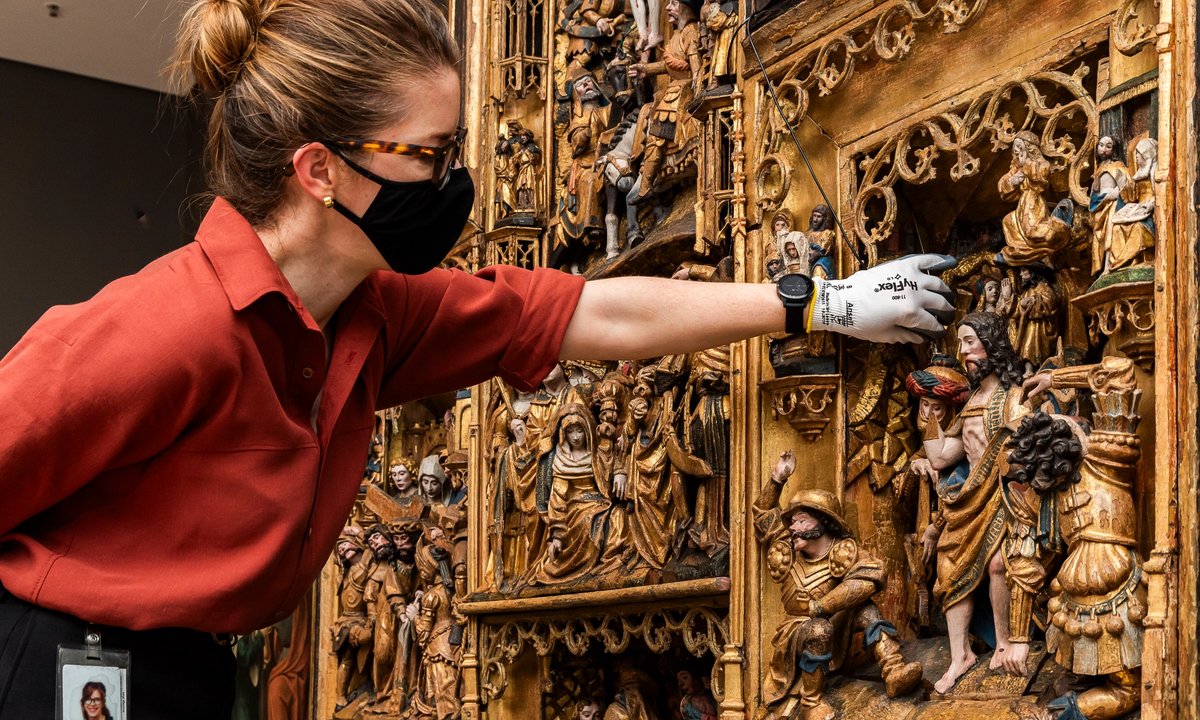
Museums are rethinking decades-old climate control standards that dictate strict temperature and humidity ranges for preserving collections. These guidelines, originally based on 1970s research for paintings in London, have been widely adopted globally despite being designed for temperate climates. Conservator Caitlin Southwick of Ki Culture argues this is a "big misunderstanding," as the standards were never intended for diverse collections like stone in Brazil or tapestries in Italy. Climate control systems now account for 60-70% of a typical museum's energy consumption, creating high costs and carbon footprints.

Artist and engineer Stern’s new exhibit examines intersection of art and technology

Artist and engineer Nathaniel Stern, in collaboration with poet Sasha Stiles, has opened a new exhibition titled "Generation to Generation: Conversing with Kindred Technologies" at the Kenilworth Square East Gallery in Milwaukee. The show features sculptures, prints, interactive pieces, and poetry created through a nuanced collaboration with artificial intelligence, aiming to explore the evolving dialogue between humans and their technological tools.

Toledo Museum of Art exhibition to explore landscape of digital and generative art

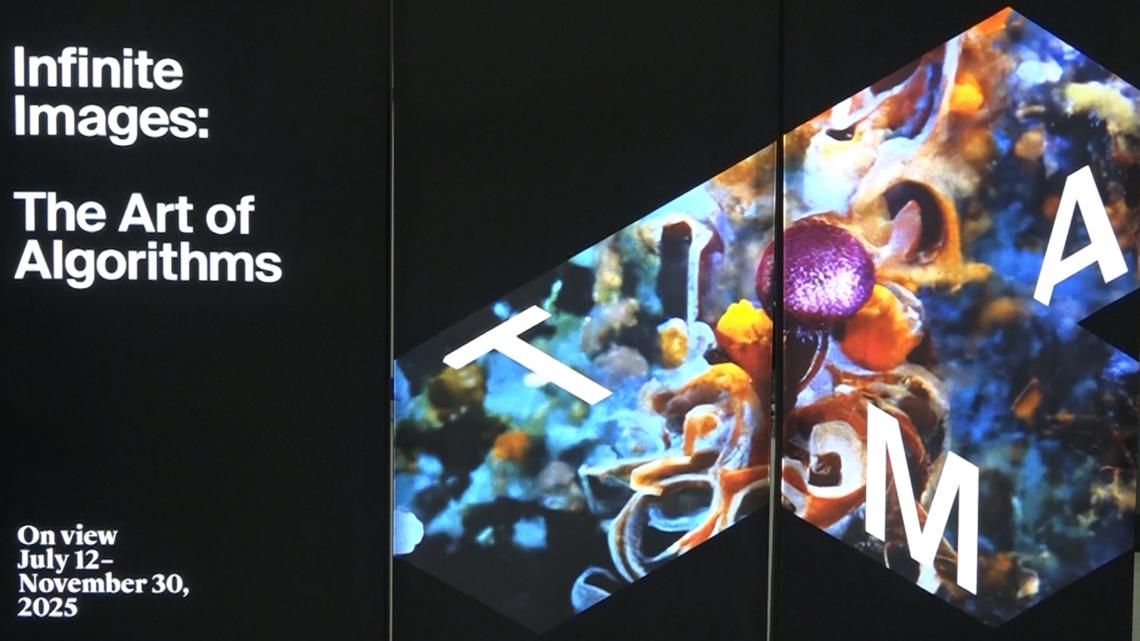
The Toledo Museum of Art will open "Infinite Images: The Art of the Algorithm," a special exhibition curated by Julia Kaganskiy that explores digital and generative art from the 1960s to the present. The show features works created using custom software, algorithms, and machine learning models developed by the artists themselves, emphasizing rule-based systems and automation as part of the creative process. Associate Curator Paige Rozanski notes that the exhibition contextualizes generative art within a longer tradition of analog algorithmic processes, distinguishing it from AI-generated images produced by large language models like ChatGPT.

Naho Kawabe "Flos Filicis: Flower of the Fern" @ WAITINGROOM

川辺ナホ「Flos Filicis:羊歯の花」@ WAITINGROOM

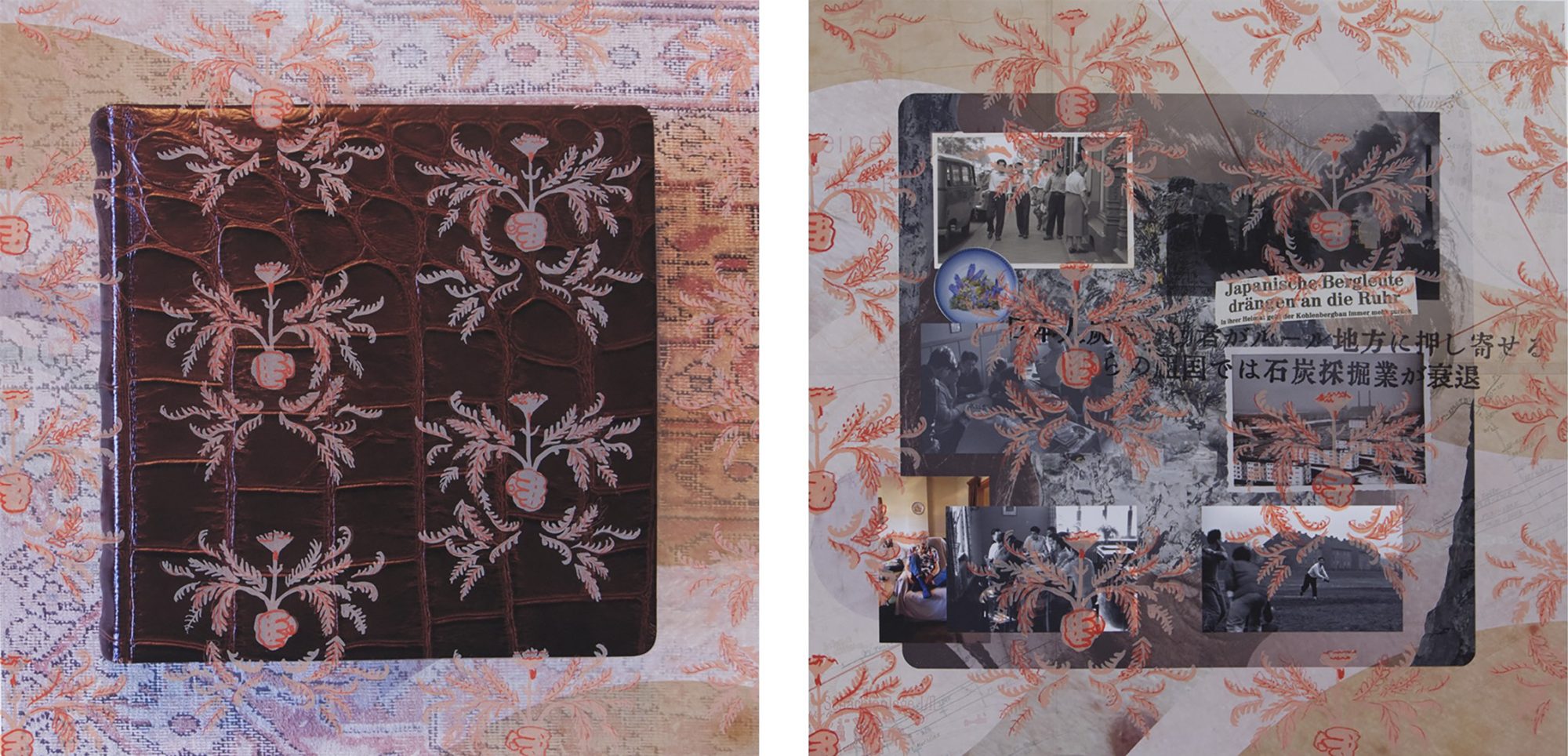
The Tokyo gallery WAITINGROOM is hosting "Flos Filicis: Flower of the Fern," a solo exhibition by Naho Kawabe featuring new installations, photo collages, and drawings. The exhibition centers on the paradoxical concept of the "fern flower" to explore the relationship between fossil fuels, industrial infrastructure, and the myth of progress. Kawabe utilizes materials like charcoal and electrical components alongside research-based lithographs to examine the history of Japanese migrant coal miners in Germany and the broader ecological impact of energy consumption.

Free contemporary art shows to open in the postmodern 1 Poultry building

Three temporary art galleries are opening on the ground floor of the postmodern No.1 Poultry building in the City of London, near Bank tube station. Operated by arts charity Hypha Studios and supported by the Cheapside Business Alliance, the spaces will host 24 exhibitions over the course of a year, starting in September 2025. The first three exhibitions are free and open to the public from Thursday 25th September 2025. Gallery 2, in partnership with art and architecture platform recessed.space, will focus on exhibitions relating to the living environment, while Galleries 1 and 3 will feature a range of contemporary artists and curators. The initiative is part of a meanwhile use programme during a refurbishment of the building’s interior to reduce energy consumption.