filter_list Showing 9 results for "ethical responsibility" close Clear
search
dashboard All 9 article news 4museum exhibitions 2gavel restitution 2article culture 1
date_range Range Today This Week This Month All
Subscribe

petition to block loan of bayeux tapestry to londons british museum garners 50000 signatures

Nearly 50,000 people have signed a petition to block the loan of the Bayeux Tapestry from France to the British Museum in London. The petition, launched in July by French art historian Didier Rykner, cites warnings from textile restorers that transporting the 1,000-year-old embroidered linen could cause irreparable damage. The tapestry is scheduled to be displayed at the British Museum from September 2026 to July 2027 while its home, the Bayeux Tapestry Museum in Normandy, undergoes renovation. The loan was announced by UK Prime Minister Keir Starmer and French President Emmanuel Macron. Prominent French cultural figures, including former Bayeux Tapestry Museum director Isabelle Attard, and British conservation watchdog ArtWatch UK director Michael Daley have voiced concerns. Rykner hopes to unite French and British opposition to stop the exchange, which also includes Anglo-Saxon and Medieval objects from the British Museum moving to France.

The Biennale Isn’t a Court. Tell That to the Protesters.

Pietrangelo Buttafuoco, president of the Venice Biennale, defended the decision to allow Russia to reopen its pavilion for the first time since its 2022 invasion of Ukraine, stating that the Biennale is "not a court; it is a garden of peace." The move has sparked widespread backlash, including threats to pull €2.3 million in EU funding. Protests have erupted on the ground, with Pussy Riot and FEMEN staging a theatrical demonstration outside the Russian Pavilion, setting off smoke flares and chanting slogans. Separately, around 60 artists performed a "Solidarity Drone Chorus" to protest Israel's participation, and the Art Not Genocide Alliance has called for a 24-hour strike and rallies across Venice. The Russian Pavilion will be open only during press preview days due to EU sanctions, with video projections visible from outside for the rest of the Biennale's run.

Venice Bound? Here’s All the News You Need to Know About This Year’s Biennale

The 61st Venice Biennale is embroiled in geopolitical controversy over Russia's return to the event in 2026, which has sparked widespread backlash. Nearly 10,000 artists and cultural leaders signed an open letter opposing Russia's participation, and the European Union withdrew €2 million in funding for the 2028 edition. Leaked emails reveal Biennale officials worked with Russian pavilion commissioner Anastasia Karneeva to circumvent EU sanctions, while Italy's culture minister Alessandro Giuli plans to boycott the opening week. Meanwhile, activists continue to push for Israel's removal from the Biennale, though Israel will be accommodated in the Arsenale this year.

Objekt/Object—An Order of Things and the Construction of the World

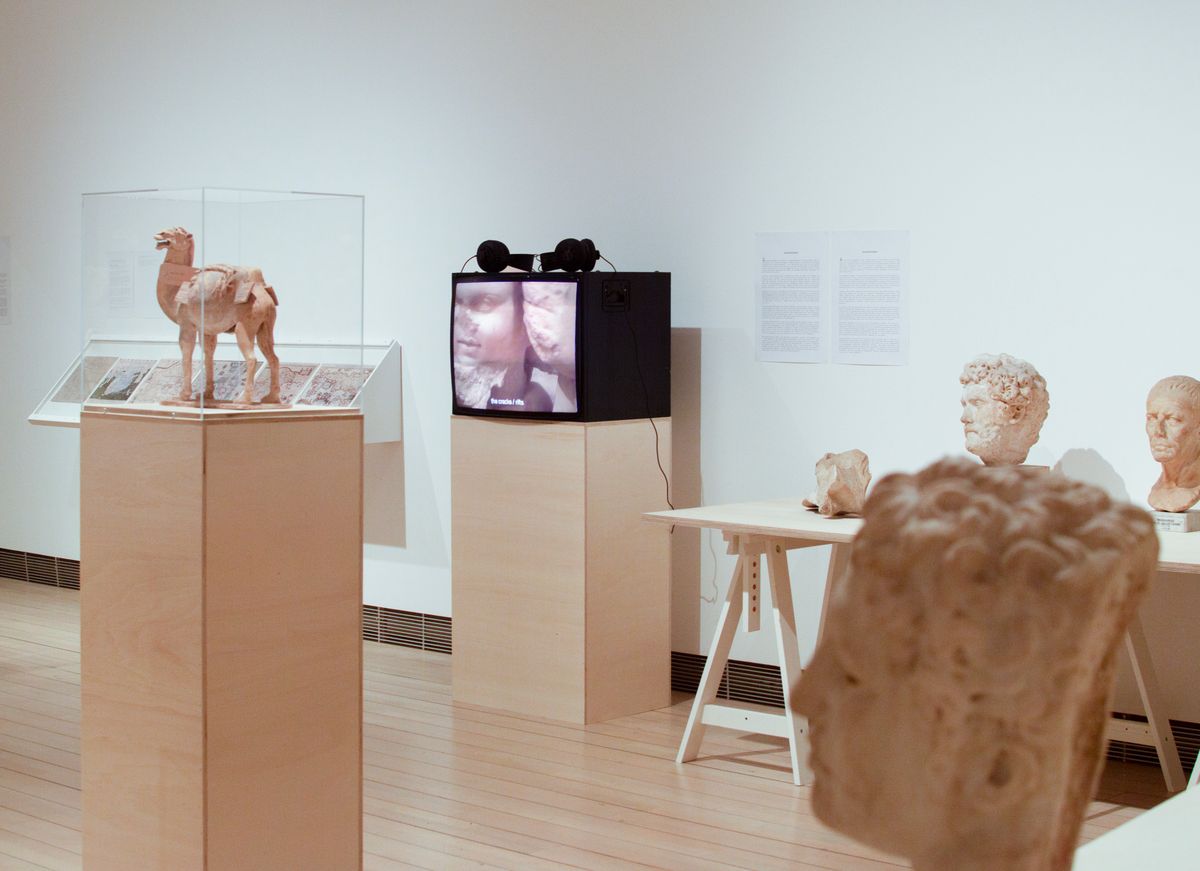
Malmö Konstmuseum has announced its annual seminar, "Objekt/Object: An Order of Things and the Construction of the World," scheduled for April 16, 2026. The event features a series of lectures and panel discussions involving international scholars, curators, and artists, including philosopher Roman Krznaric and professor Ariella Aïsha Azoulay. The seminar uses the museum's current exhibition, "An Order of Things," as a case study to examine how historical classification systems and contemporary curatorial choices shape collective memory and societal values.

The soap opera continues. Minister Giuli will boycott the inauguration of the Venice Biennale

La telenovela continua. Il Ministro Giuli diserterà l’inaugurazione della Biennale di Venezia

Alessandro Giuli, Italy's Minister of Culture, has announced he will boycott the pre-opening and inauguration ceremony of the 61st Venice Biennale on May 9, 2026, escalating a political and cultural crisis. The dispute began when Biennale president Pietrangelo Buttafuoco allowed the Russian pavilion to reopen, absent since 2022 due to the Ukraine invasion, citing artistic freedom. Giuli demanded the removal of ministry representative Tamara Gregoretti from the Biennale board for failing to oppose the decision. Tensions flared during the Italy Pavilion press conference, where journalists were confined to a separate streaming room and questions were restricted. The European Commission condemned the Russian pavilion's reopening, cutting €2 million in funding and issuing a 30-day ultimatum, while 22 European countries signed a letter pressuring the institution. The Biennale's international jury, led by Solange Oliveira Farkas, then excluded Russia and Israel from award consideration, citing ethical guidelines against countries whose leaders face International Criminal Court charges for crimes against humanity.

Open Letter on Auction of “Tributes” to the Russian Avant-Garde

An open letter signed by art historians, curators, and researchers protests an upcoming auction at Stanley's Auction House in Zaventem, Belgium, scheduled for April 23, titled “Tributes to the Russian Avant-Garde & Constructivists.” The second sale is organized in cooperation with Drouot, a major French auction platform, and offers approximately one hundred works from the so-called Toporovsky collection, which has been linked to a scandal involving forged Russian modernist paintings at the Museum of Fine Arts Ghent. The alleged suppliers, Igor Toporovsky and Olga Toporovsky, face criminal charges including the sale of 171 forged works for about €20 million, with court proceedings beginning in May in Ghent. The signatories argue that the auction, with works priced around €300 each, is deeply troubling given the pending legal case and the undisclosed consignor identity.

In Munich, Two Artists Imagine Futures Both Playful and Epic

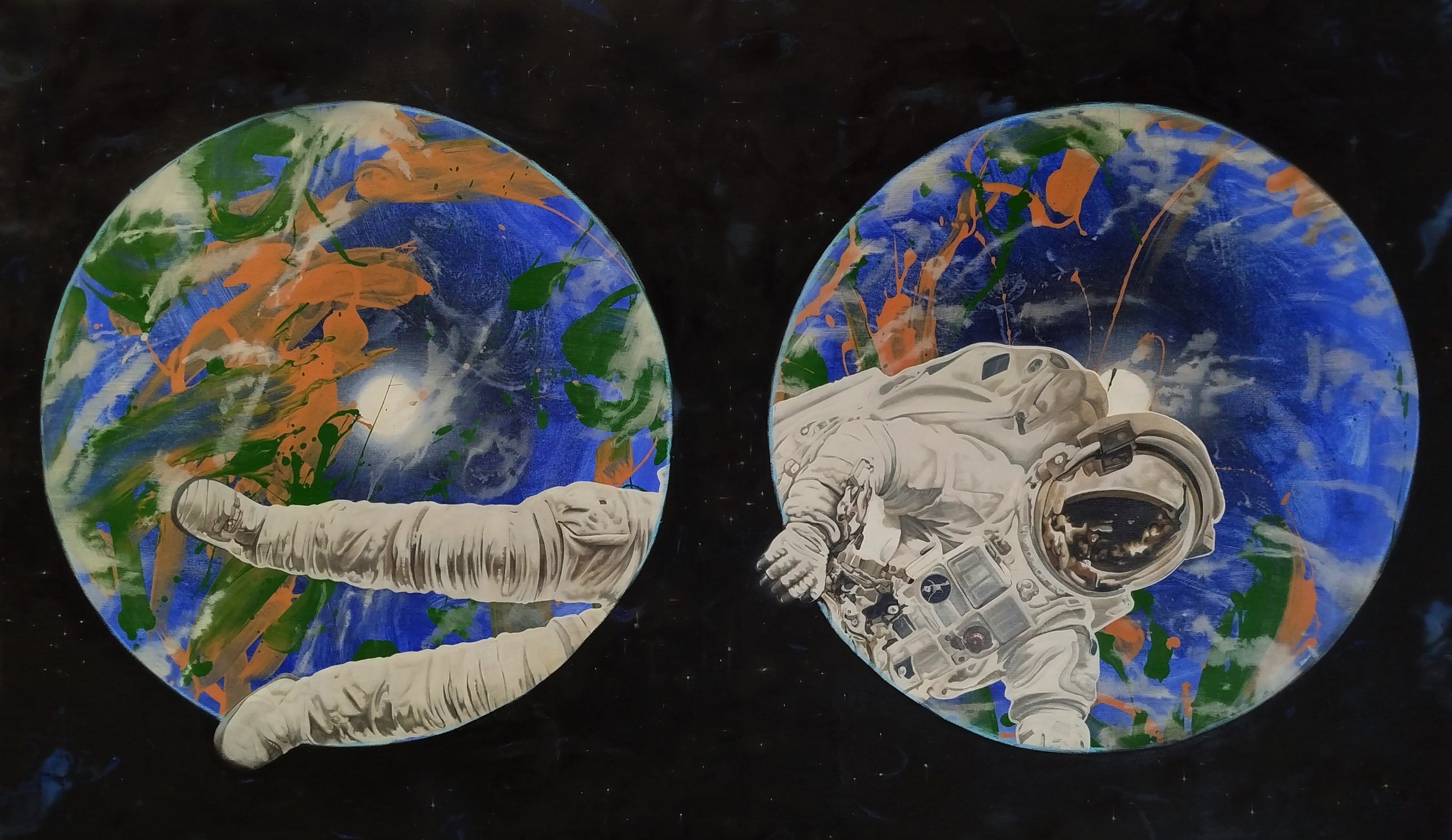
The Munich gallery Filser and Gräf is presenting a two-person exhibition titled "Medèn ágan – Nothing in Excess," featuring artists Paris Giachoustidis and Toshihiko Mitsuya. The show uses the ancient Greek maxim as a curatorial framework, with Mitsuya's delicate, reflective aluminum sculptures and Giachoustidis's paintings of futuristic, cosmic landscapes exploring themes of balance, scale, and humanity's place in the universe.

Man who pocketed tiles from medieval priory as boy returns them 60 years later

Simon White, now 68, returned three fragments of medieval clay tiles he took as a nine-year-old from Wenlock Priory in Shropshire during a family outing in the late 1960s. The tiles, dating from the late 13th to early 14th century, were discovered in an old toffee tin during a house move. White contacted English Heritage, which confirmed the provenance using family diaries and historical analysis. One fragment features a previously unknown dragon motif, exciting medievalists.

Should art have moral limits?

At Metropolitan State University of Denver, students, artists, professors, and curators debate whether art should have moral limits, particularly when it addresses violence, political division, or sensitive social issues. The discussion features perspectives from Jess Gerome, an art education student who argues discomfort should not dictate creative expression, and Xtna Doleres, a multidisciplinary artist who believes art carries an ethical responsibility to speak truth and represent communities respectfully. Professor Jason Miller adds that while art alone may not cause harm, it must be taken seriously when it suggests real-world danger.