filter_list Showing 4 results for "facial recognition" close Clear
dashboard All 4 museum exhibitions 2article news 2
date_range Range Today This Week This Month All
Subscribe

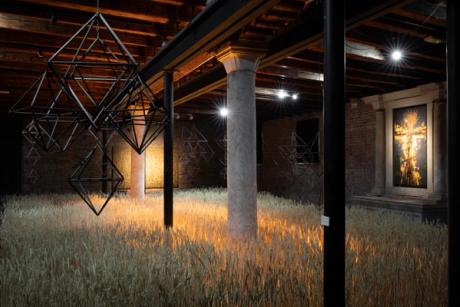
Our pick of the best pavilions at the 61st Venice Biennale

The article highlights standout national pavilions at the 61st Venice Biennale. The Belarus Pavilion features a powerful installation by the Belarus Free Theatre, including a wheat field built by former political prisoners, straw spiders made from prison bars, and a confession booth that runs facial recognition. The Brazil Pavilion presents a joint exhibition by Rosana Paulino and Adriana Varejão, focusing on colonial wounds and trauma through works like Paulino's 'Aracnes' and Varejão's 'Still Life amid Ruin'. The Bosnian Pavilion by Mladen Bundalo invites tactile engagement with themes of diaspora and migration, while the Austrian Pavilion by Florentina Holzinger draws attention with nude performers in water-filled pools.

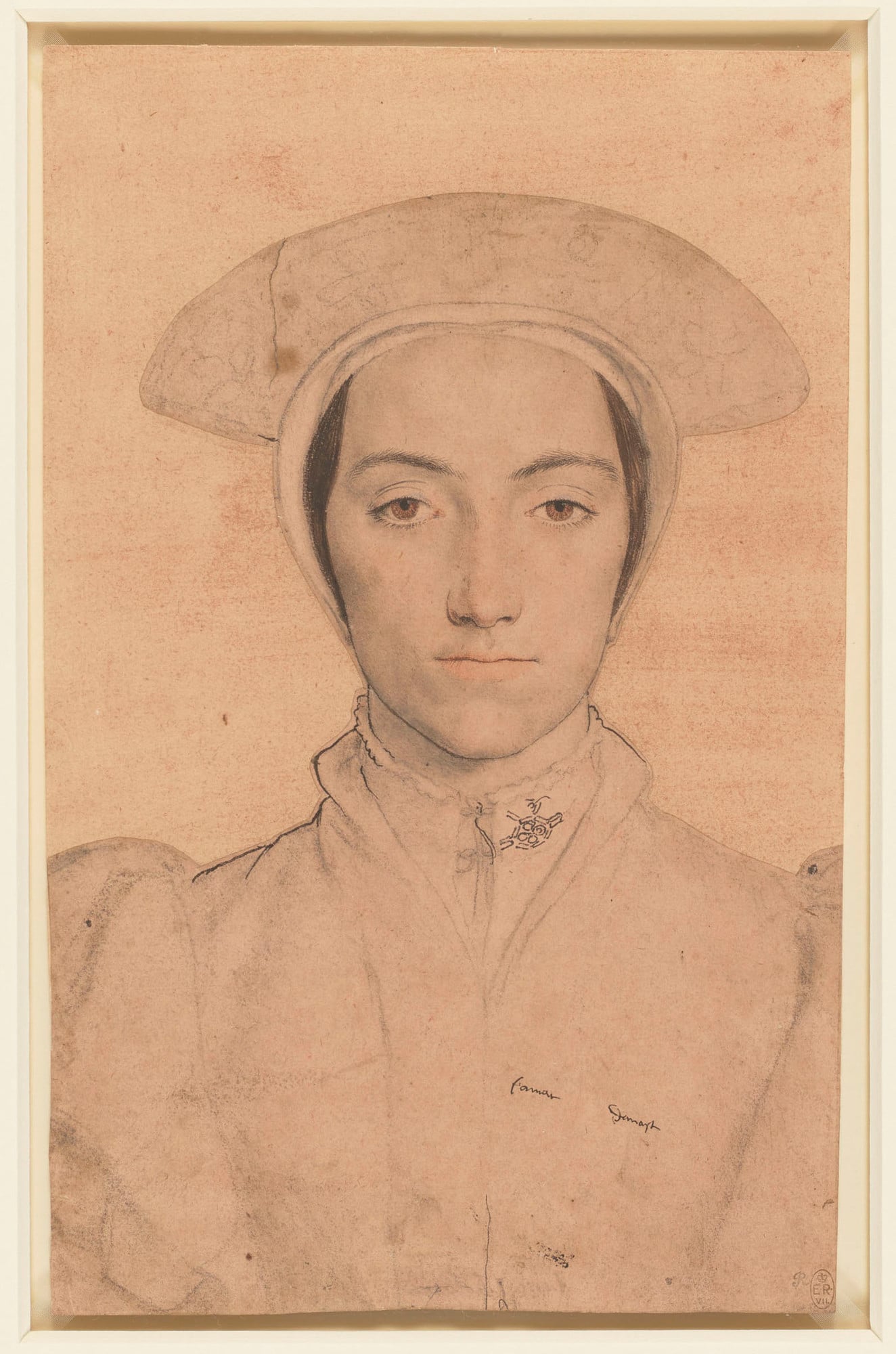
AI Helps UK Researchers Identify Unknown Subject in Hans Holbein Drawing as Anne Boleyn

Researchers Karen L. Davies and Hassan Ugail used artificial intelligence facial recognition to analyze two Hans Holbein drawings from the Royal Collection Trust. Their study, published in npj Heritage Science, suggests that a portrait previously labeled as Anne Boleyn actually depicts her mother, Elizabeth Howard, while a drawing cataloged as an unidentified woman is the true likeness of Anne Boleyn. The findings challenge long-held identifications based on 18th-century inscriptions and align more closely with contemporary descriptions of Boleyn as slender with dark hair.

A.I. Identifies Holbein Drawing as Possible Portrait of Anne Boleyn

Researchers at the University of Bradford have used artificial intelligence to analyze preparatory drawings by Hans Holbein the Younger in the Royal Collection at Windsor Castle. The AI model, which previously identified a forgotten Raphael painting, suggests that a drawing long believed to depict Anne Boleyn actually shows her mother, Elizabeth Howard, while another drawing labeled "Unidentified Woman" likely portrays Anne Boleyn herself. The findings, published in Heritage Science, are based on biometric analysis of facial features, bone architecture, and proportional relationships, offering quantifiable evidence to resolve long-standing scholarly uncertainty about the sitters' identities.

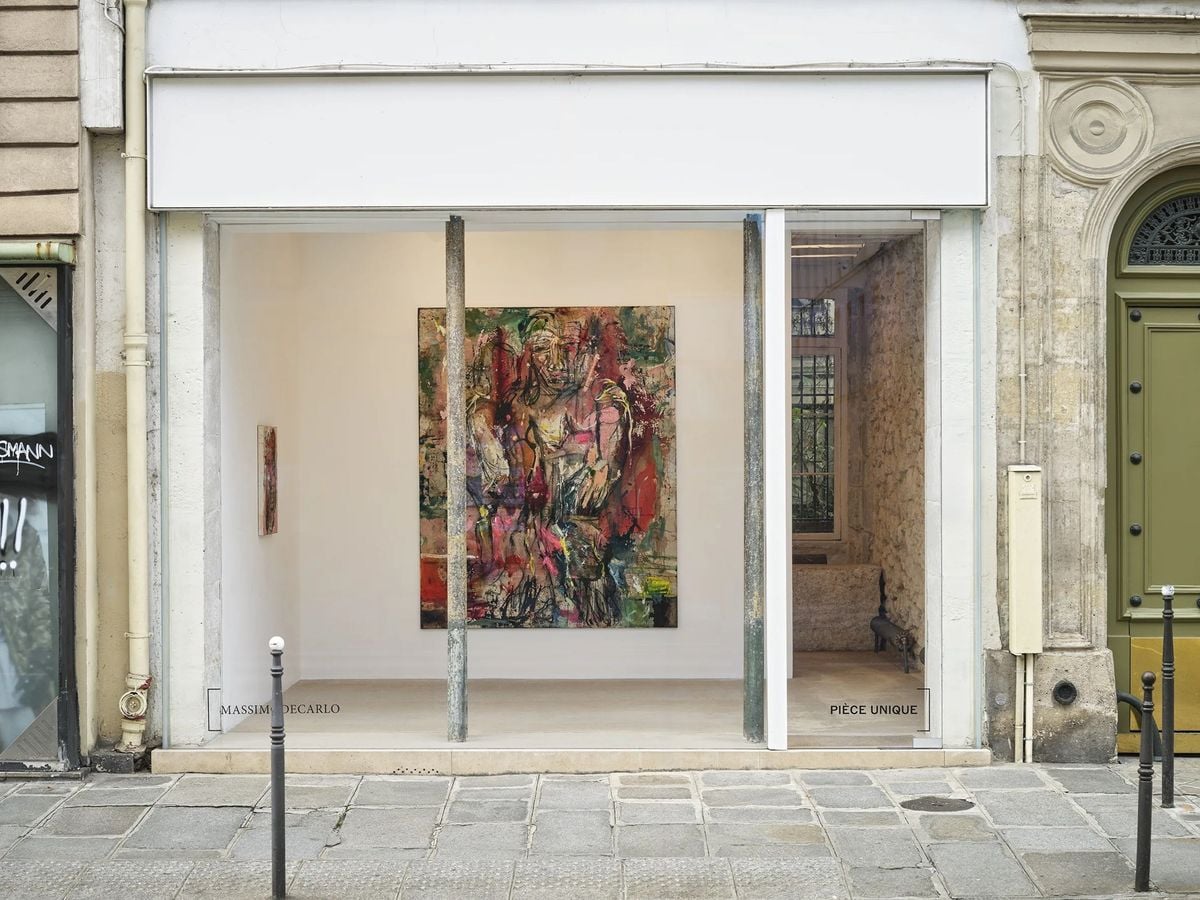
Exhibition | Daniel Crews-Chubb, 'Pareidolia' at MASSIMODECARLO Pièce Unique, Pièce Unique, Paris, France

MASSIMODECARLO Pièce Unique in Paris presents 'Pareidolia,' an exhibition of new paintings by London-based artist Daniel Crews-Chubb. The show explores the psychological phenomenon of pareidolia—the brain's tendency to see faces in random patterns—through heavily layered works created with hands, ink, oil, sand, and collage. Three paintings are featured: 'Immortal XXXVIII' and 'Immortal XXXIX' (2026), large-scale works drawing on cultural memory of ancient sculpture, and 'Mask XXIV' (2026), which tests the minimal cues needed for facial recognition. Crews-Chubb's process involves building up and tearing back surfaces over weeks, with charcoal lines added last to define emergent figures.