filter_list Showing 7 results for "french art history" close Clear
search
dashboard All 7 article culture 3article news 3museum exhibitions 1
date_range Range Today This Week This Month All
Subscribe

Heir of Goya and Abstract Expressionism, the painting of Roger-Edgar Gillet finally rediscovered in an unprecedented retrospective

Héritière de Goya et de l’expressionnisme abstrait, la peinture de Roger-Edgar Gillet enfin redécouverte dans une rétrospective inédite

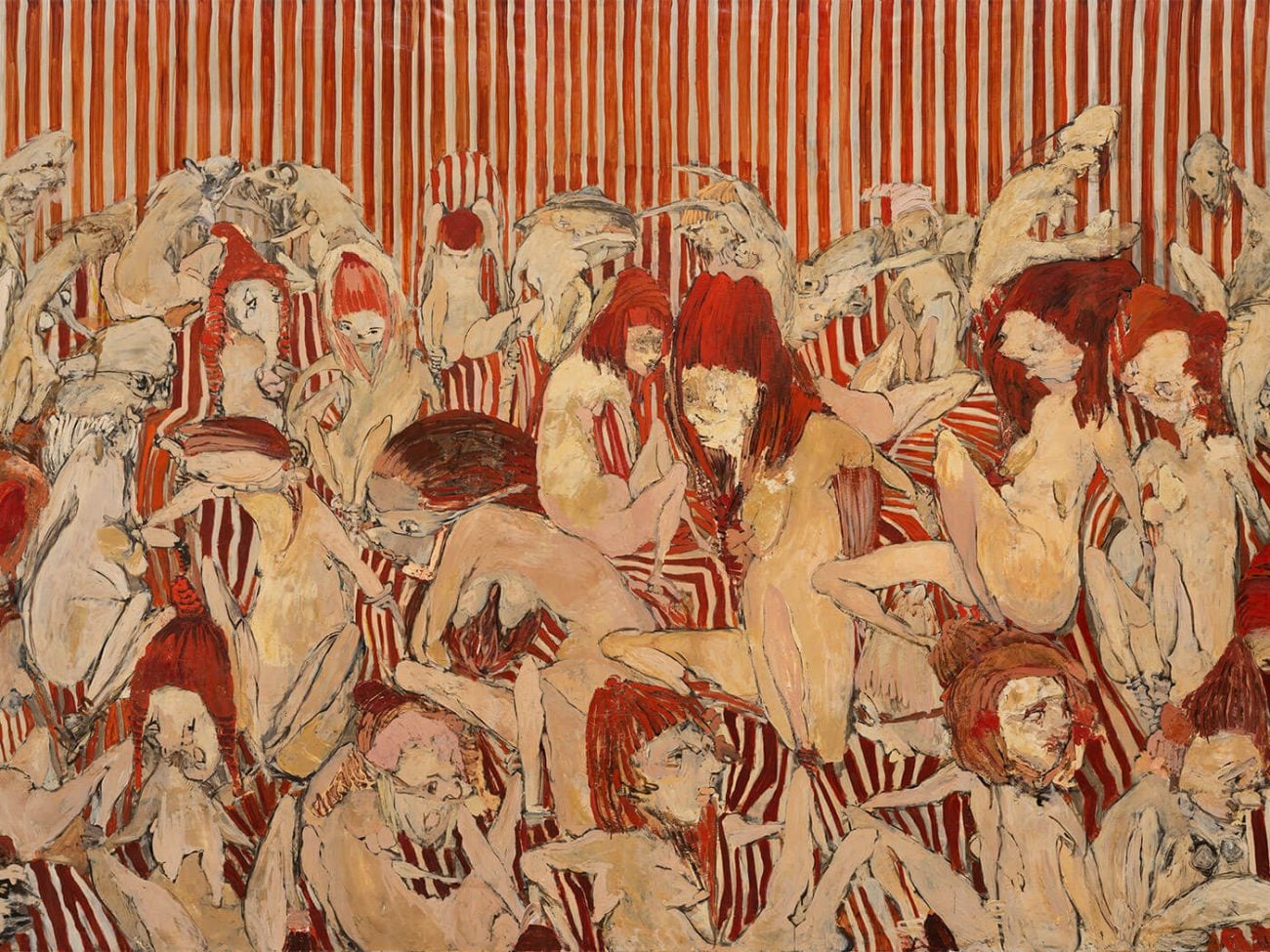
A major retrospective at the Musée Estrine in Saint-Rémy-de-Provence finally brings long-overdue recognition to French painter Roger-Edgar Gillet (1924–2004), an artist who emerged from the post-war abstraction scene of the Nouvelle École de Paris but later forged a singular figurative style blending Goya, Delacroix, and Northern grotesque traditions. The exhibition follows two important donations—to the Centre Pompidou in 2017 and the Musée des Beaux-Arts de Rennes in 2022—that helped revive institutional interest in Gillet, whose work had been marginalized since the 1960s.
Ary Scheffer en 2 minutes

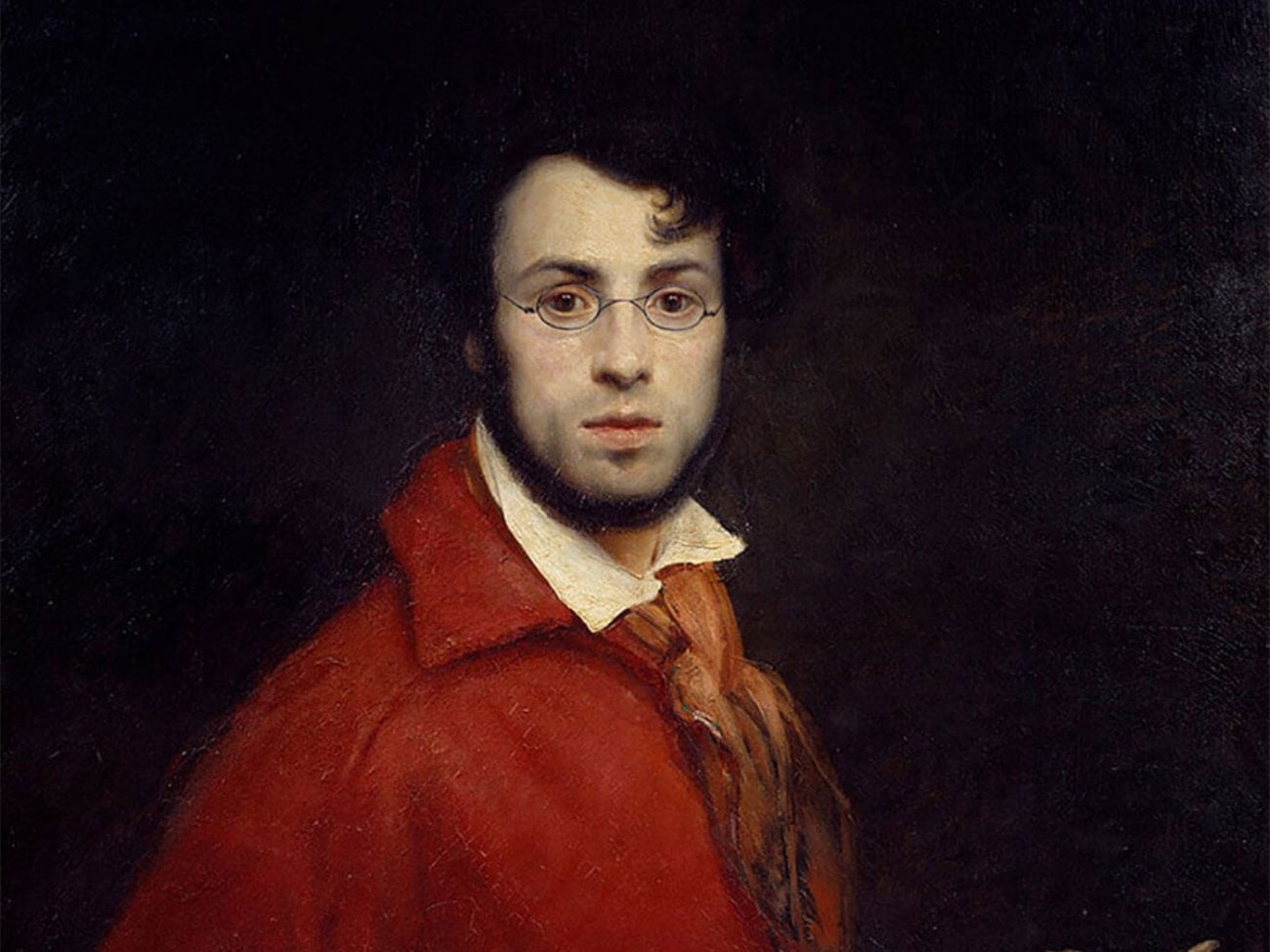
Ary Scheffer (1795–1858) was a Dutch-born Romantic painter who became a central figure in Parisian artistic and cultural life during the July Monarchy. He was the official portraitist of the Orléans family and created deeply melancholic, spiritual works inspired by Dante, Goethe, and the Gospels. His studio at 16 rue Chaptal, in the Nouvelle Athènes district, hosted legendary Friday gatherings attended by Chopin, Liszt, George Sand, and Dickens, and now houses the Musée de la Vie romantique. Key works include *Le Dévouement patriotique des six Bourgeois de Calais* (1819) and *Les Femmes souliotes* (1827), both acquired by the French state.

Auguste Renoir in 2 Minutes

Auguste Renoir en 2 minutes

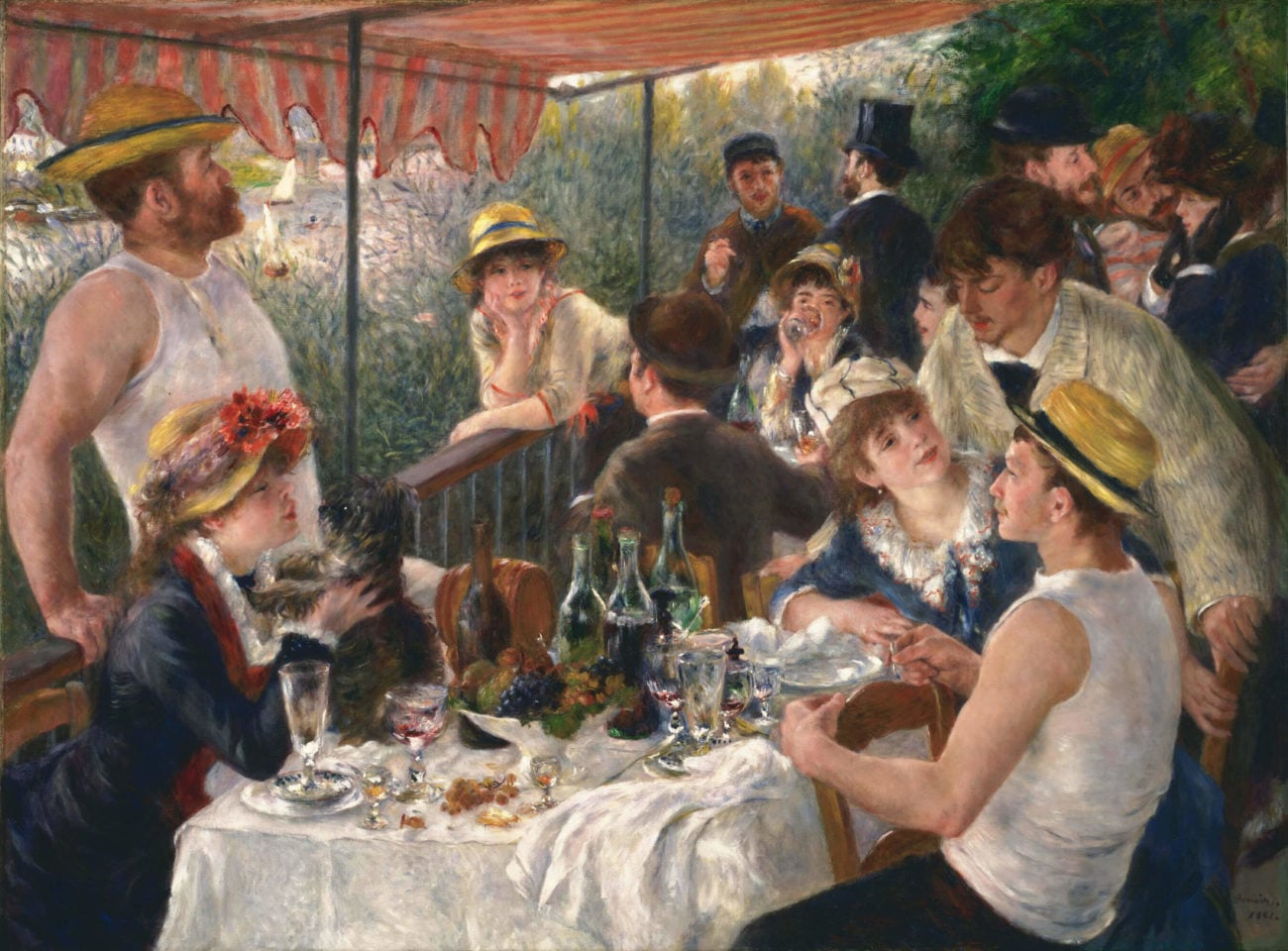
Pierre-Auguste Renoir remains a cornerstone of Impressionism, celebrated for his transition from porcelain painting to becoming a master of figure and light. While he initially pioneered plein air techniques alongside Claude Monet, Renoir eventually pivoted toward a more classical study of 18th-century masters, focusing on portraits, domestic scenes, and nudes. His career was marked by iconic works like 'Bal du moulin de la Galette' and a persistent drive to paint even as severe rheumatism physically debilitated him in his final years at Cagnes-sur-Mer.

Salon des Indépendants

The article is about the Salon des Indépendants, a historic French art exhibition society founded in 1884. It provided a platform for artists to exhibit works without a jury, challenging the official Paris Salon's conservative standards.

Doyen retrouve la chapelle Saint-Louis

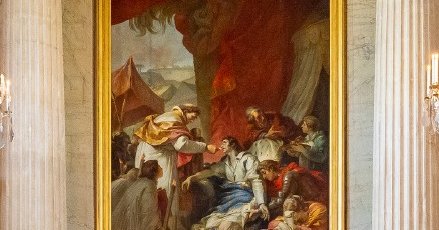
A cycle of eleven paintings commissioned in 1772 for the Chapelle Saint-Louis at the École Militaire in Paris, depicting the life of Saint Louis, has been rediscovered. The chapel was built under Louis XV by architect Ange-Jacques Gabriel, and the paintings were executed by Jean-Baptiste-Marie Pierre following a carefully devised iconographic program. The discovery sheds new light on a major decorative ensemble from the Ancien Régime.

L'Art en une semaine n° 1 - Mardi 26 mai 2026

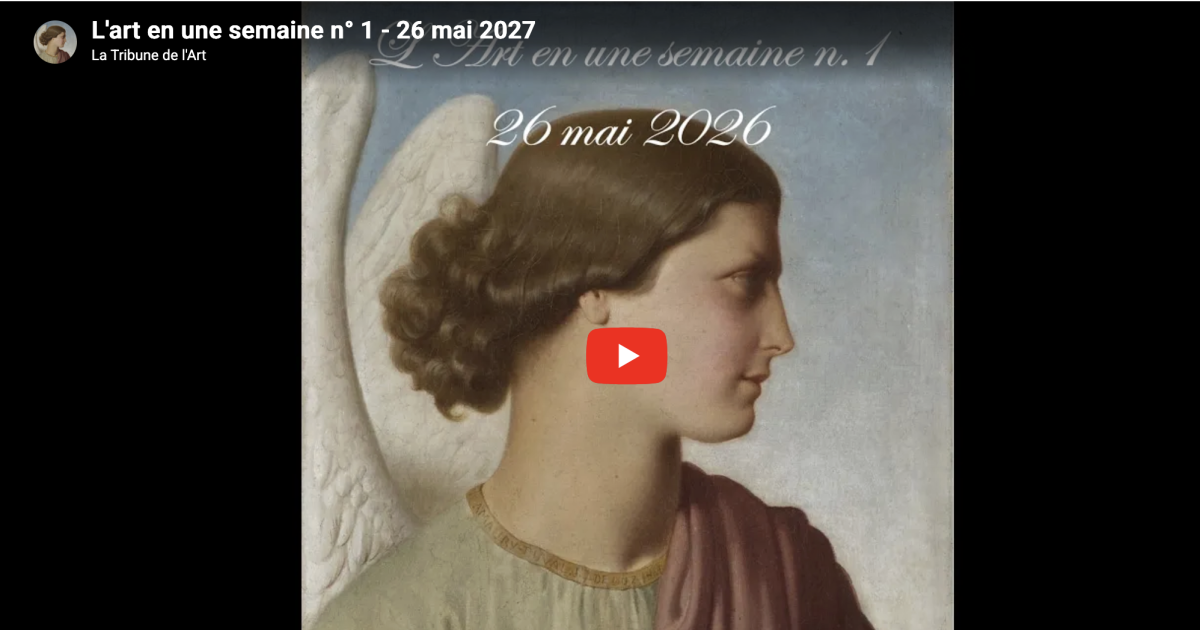
La Tribune de l'Art has launched a new filmed podcast series titled "L'Art en une semaine n° 1 - Mardi 26 mai 2026." In this first episode, the hosts discuss the Pont-Neuf, the Louvre, Chambord, the Louvre-Lens, and the Société de l'histoire de l'art français. The podcast is being distributed for free on YouTube and Dailymotion, with plans to also host it on the ad-free platform Peertube, though technical issues have delayed that upload. The article provides links to the Société de l'histoire de l'art français website and to Cairn, where issues of La Revue de l'Art can be found.

Salon | Impressionism, Realism & Post-Impressionism

The Salon was an official art exhibition sponsored by the French government, originating in 1667 when Louis XIV sponsored an exhibit of works by members of the Académie Royale de Peinture et de Sculpture. It was held in the Salon d’Apollon of the Louvre Palace in Paris, and after 1737 it became an annual event, with a jury system introduced in 1748. During the French Revolution, the Salon opened to all French artists, though academicians retained control through much of the 19th century. Its influence waned after the Société des Artistes Français took over in 1881 and as independent avant-garde exhibitions gained prominence.