filter_list Showing 6 results for "giorgio vasari" close Clear
search
dashboard All 6 article culture 2museum exhibitions 2trending_up market 1article news 1
date_range Range Today This Week This Month All
Subscribe

Museum acquisitions round-up: a rediscovered work by Rosso Fiorentino, a circular painting by Salman Toor and 16th-century gold goblet

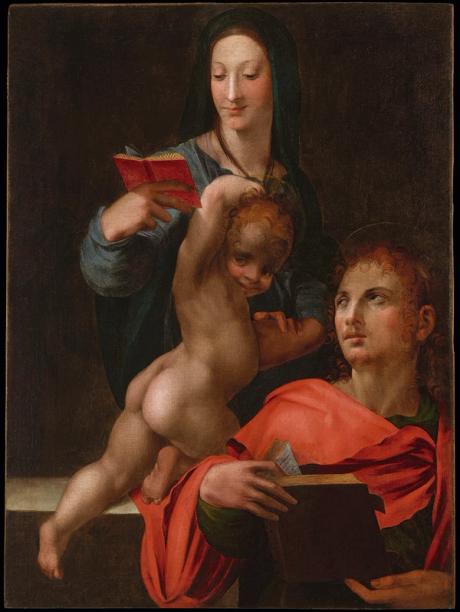
The Art Newspaper reports on three notable museum acquisitions: a rediscovered Renaissance painting by Rosso Fiorentino acquired by the Metropolitan Museum of Art, a 16th-century silver gilt goblet by Hans Rappolt I acquired by the Siegerland Museum, and a circular painting by Salman Toor donated to the National Gallery of Art. The Rosso Fiorentino work, 'Madonna and Child with Saint John the Evangelist' (1512/13), was thought lost for centuries and was identified after cleaning revealed a hidden figure. The goblet, made around 1581, is a rare example of Nuremberg goldsmithing and was supported by a €75,000 donation from the German Federal Cultural Foundation. The Toor painting, 'Wandering Beggars' (2022), is the first by the artist to enter the NGA's collection, donated by the Bronzini-Vender family.
Harnessing the winds of societal change: how art dealers have been able to shape taste for centuries

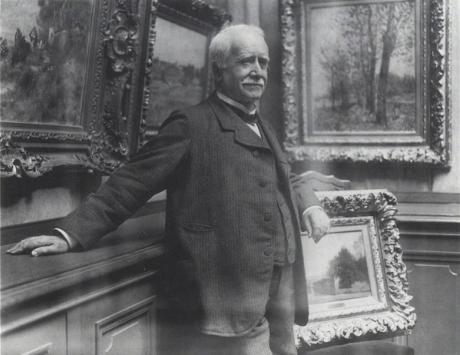
Valentina Castellani, a former Gagosian director, has authored a new book titled *Trading Beauty: Art Market Histories from the Altar to the Gallery* (out 1 May). The book traces how art dealers have historically leveraged societal changes—political, economic, and social—to reshape taste and market structures. Castellani begins in the Middle Ages, when art was made only on commission for patrons like the Catholic church and monarchies, and moves through key shifts such as the Dutch Republic's first open art market in the 17th century, which gave rise to the professional art dealer. She highlights dealers like Paul Durand-Ruel, Joseph Duveen, and Leo Castelli who capitalized on anti-establishment energy, new wealth, and post-war consumer culture to bring avant-garde art to the forefront.

Martin Schongauer in 2 Minutes

Martin Schongauer en 2 minutes

Martin Schongauer (c. 1445–1491), the Alsatian painter, draftsman, and engraver, is celebrated as the greatest German copperplate engraver before Albrecht Dürer and one of the first artists to achieve pan-European fame in his lifetime. The article outlines his life and career, from his early training in his father's goldsmith workshop in Colmar to his studies at the University of Leipzig and travels through Flanders, where he absorbed the influence of Rogier van der Weyden and Dirk Bouts. It highlights his 116 copper engravings, signed with the monogram 'M+S', which elevated engraving to a high art and circulated from Spain to Bohemia, inspiring Dürer and the young Michelangelo. Key works discussed include the painting 'La Vierge au buisson de roses' (1473) and the engraving 'La Tentation de saint Antoine' (c. 1470–1475).

Rediscovering the Eternal City of the 1500s in the drawings of Maarten van Heemskerck. The exhibition in Rome

Riscoprire la Città Eterna del ‘500 nei disegni di Maarten van Heemskerck. La mostra a Roma

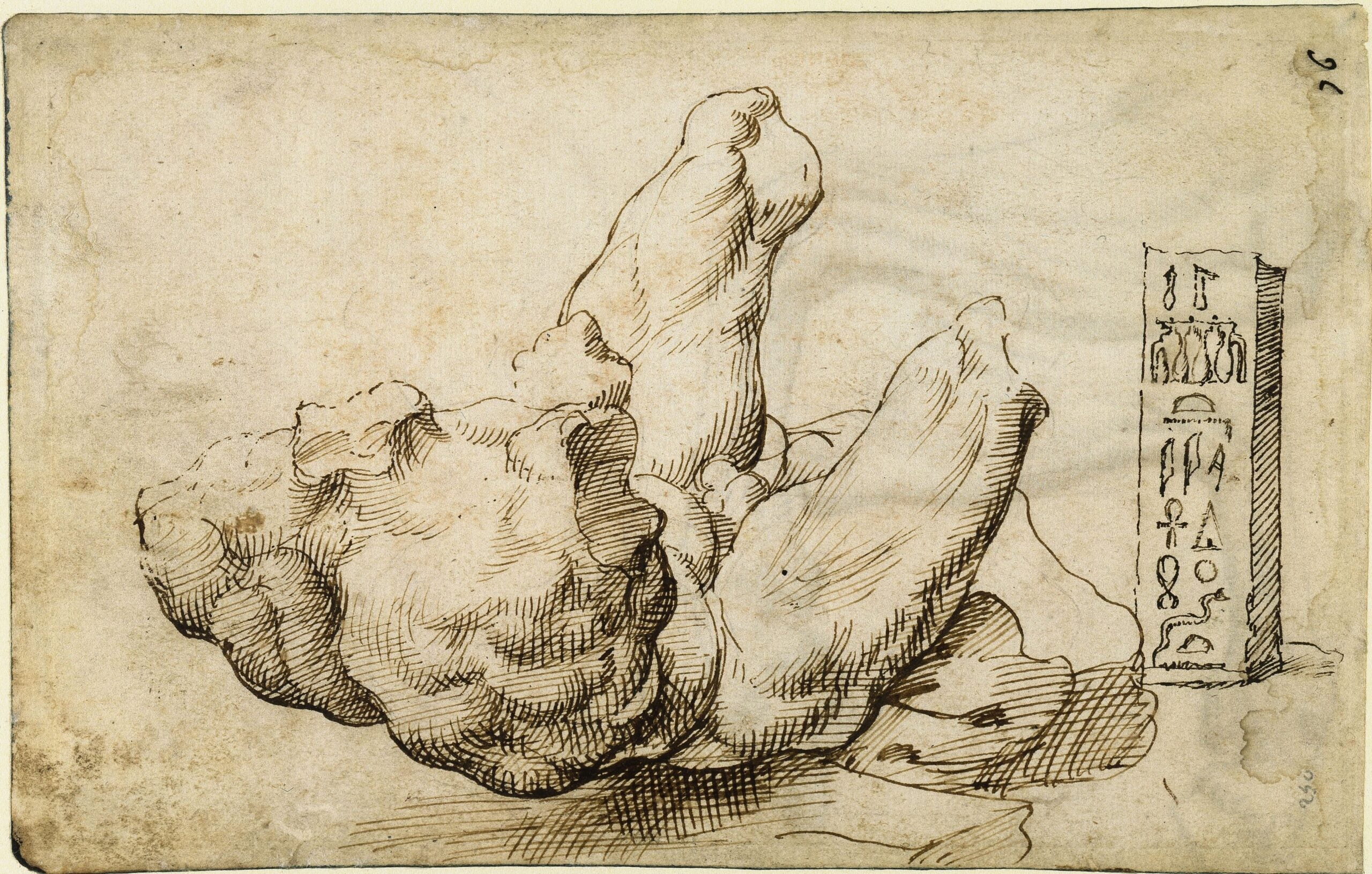
A major exhibition at Palazzo Poli in Rome, hosted by the Istituto Centrale per la Grafica, showcases a selection of drawings by Dutch artist Maarten van Heemskerck (1498–1574) from his so-called 'little sketchbook,' now held at the Kupferstichkabinett in Berlin. The show, titled 'Maarten van Heemskerck e il fascino di Roma' and running until June 7, presents the artist's meticulous studies of Roman antiquities made during his four-year stay in the city from 1532, offering a rare visual record of Renaissance Rome's ancient collections before and after the 1527 Sack of Rome.

A Rosso for the Metropolitan

Un Rosso pour le Metropolitan

The Metropolitan Museum of Art in New York has acquired a painting by Rosso Fiorentino, a master of Italian and French Mannerism, after restoration revealed an earlier overpaint that had obscured the composition. The work, a Virgin and Child, now shows Saint John the Evangelist in the foreground at right, confirming it as an original by the artist.

Giorgio Vasari beyond the Lives: what the exhibition at the Capitoline Museums in Rome looks like

An exhibition titled "Vasari and Rome" has opened at the Capitoline Museums in Rome, running until July 19, 2026. Curated by Alessandra Baroni and promoted by Roma Capitale, the show features over seventy works—including drawings, prints, engravings, letters, medals, sculptures, and paintings—that trace Giorgio Vasari's relationship with 16th-century Rome. Sixteen autograph works and seven drawings are among the highlights, arranged in four sections that follow the chronology of Vasari's Roman sojourns, from his arrival in 1532 under Cardinal Ippolito de' Medici to his later engagements with patrons like Bindo Altoviti and Cardinal Alessandro Farnese. The exhibition is staged in an intimate, chamber-like setting on the top floor of Palazzo Caffarelli, contrasting the small space with the vast theme of Vasari's role in papal Rome's political and cultural life.