filter_list Showing 6 results for "in-tangible institute" close Clear
search
dashboard All 6 museum exhibitions 3person people 2article news 1
date_range Range Today This Week This Month All
Subscribe

Venice Biennale’s 2026 Golden Lion Jury to Be Led by Videobrasil Founder

The Venice Biennale has announced the five-member jury for its 2026 edition, which will award the prestigious Golden Lion prizes. The jury president is Solange Oliveira Farkas, founder of the Videobrasil Biennial, and she will be joined by curators and academics Zoe Butt, Elvira Dyangani Ose, Marta Kuzma, and Giovanna Zapperi.
A decade on, Ilham Gallery continues to engage new audiences with meaningful art

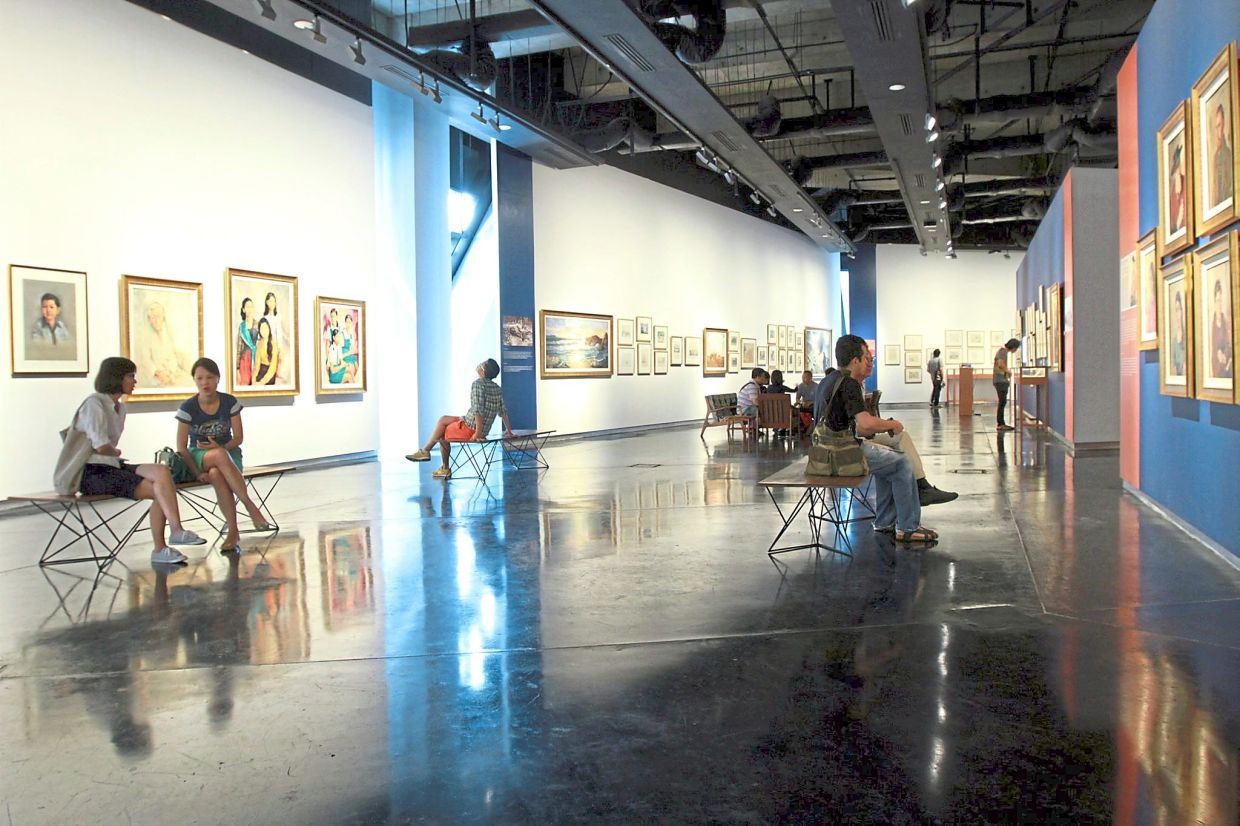
Ilham Gallery in Kuala Lumpur, which opened in August 2015 with the exhibition 'Picturing The Nation,' has marked its tenth anniversary by reflecting on a decade of growth. Over 38 exhibitions across two gallery spaces, the institution has seen its audience expand dramatically—from 4,600 visitors for its first show to over 41,000 for the recent 'The Plantation Plot' (April–September 2025). Director Rahel Joseph notes that the largest demographic is now visitors aged 25 and below, driven by education programs, social media, and a shift toward regional and international collaborations with institutions like the National Gallery Singapore and MAIIAM Contemporary Art Museum. Upcoming projects include a video installation by South Korean artist Eunhee Lee, supported by the Han Nefkens Foundation.

The International Jury of the Biennale Arte 2026

The International Jury for the Biennale Arte 2026 has been announced, with Solange Oliveira Farkas serving as president. The jury includes curators Zoe Butt and Elvira Dyangani Ose, each bringing extensive experience in contemporary art from the Global South, biennial curation, and institutional leadership. Farkas is the founder of Associação Cultural Videobrasil, Butt founded the in-tangible institute, and Dyangani Ose is artistic director of the 2nd Public Art Abu Dhabi Biennial and former director of MACBA Barcelona.

The Jury of the 2026 Venice Art Biennale Will Be Completely Composed of Women

La giuria della Biennale d’Arte di Venezia 2026 sarà tutta composta da donne

The organizing body of the Venice Biennale has announced the international jury for its 61st International Art Exhibition, titled 'In Minor Keys.' For the first time, the five-member jury is composed entirely of women: Solange Oliveira Farkas (president), Zoe Butt, Elvira Dyangani Ose, Marta Kuzma, and Giovanna Zapperi. They will award the prestigious Golden Lions and special mentions during the awards ceremony on May 9.
In Minor Keys: The 61st Biennale di Arte Venezia Opens Under Koyo Kouoh (1967–2025).

The 61st Biennale di Arte Venezia opens under the posthumous curatorial vision of Koyo Kouoh (1967–2025), the late Cameroonian-born curator who reshaped contemporary African and diasporic art discourse. The central exhibition, spanning the Giardini and Arsenale, features 111 participants including artists, collectives, and artist-led organizations from across the Global South, with works in textiles, film, sculpture, and performance that interrogate colonialism, migration, and ecological repair. The Biennale is also marked by a pronounced presence of African and diasporic narratives across national pavilions, including several first-time pavilions from the African continent.

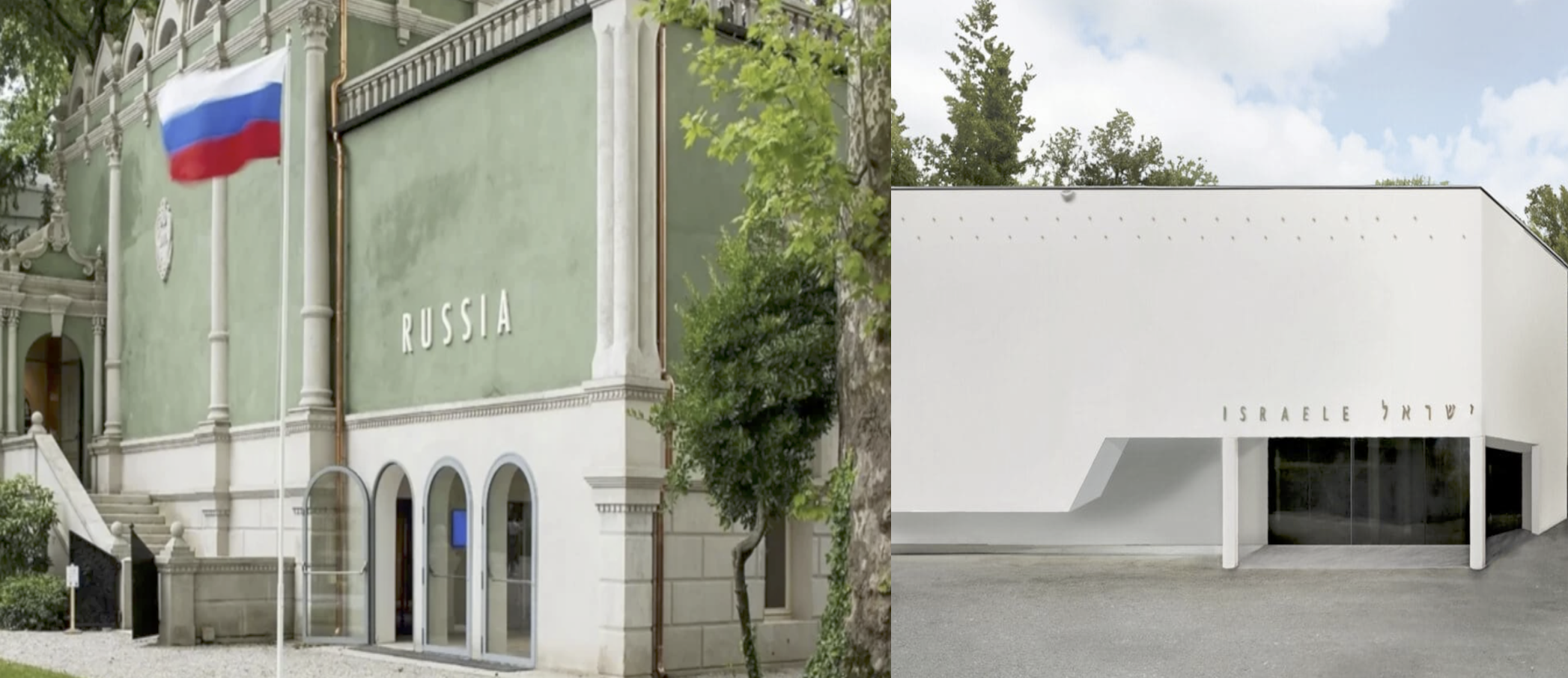
Russia and Israel cannot win any prizes at the next Venice Art Biennale 2026. The jury takes a stand

Russia e Israele non potranno vincere nessun premio alla prossima Biennale Arte di Venezia 2026. La giuria prende posizione

The international jury for the 61st Venice Biennale, led by Solange Farkas, has unanimously declared it will not consider countries whose leaders are currently accused of crimes against humanity by the International Criminal Court. This means Russia and Israel are excluded from competing for the Golden Lion awards, including Best National Participation and Best Artist. The jury's statement, published on e-Flux Notes, emphasizes the Biennale's historical role as a platform connecting art with contemporary urgencies and acknowledges the complex relationship between artistic practice and state representation.