filter_list Showing 8 results for "institutional neutrality" close Clear
dashboard All 8 article news 6article policy 1museum exhibitions 1
date_range Range Today This Week This Month All
Subscribe

The art of politics: how global conflicts are playing out in this year's Venice Biennale

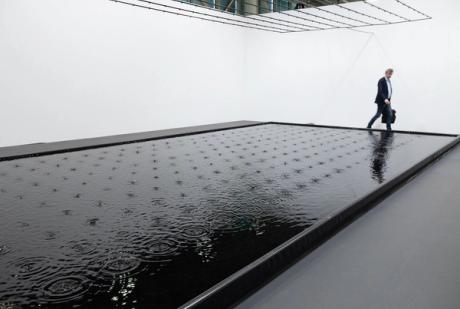
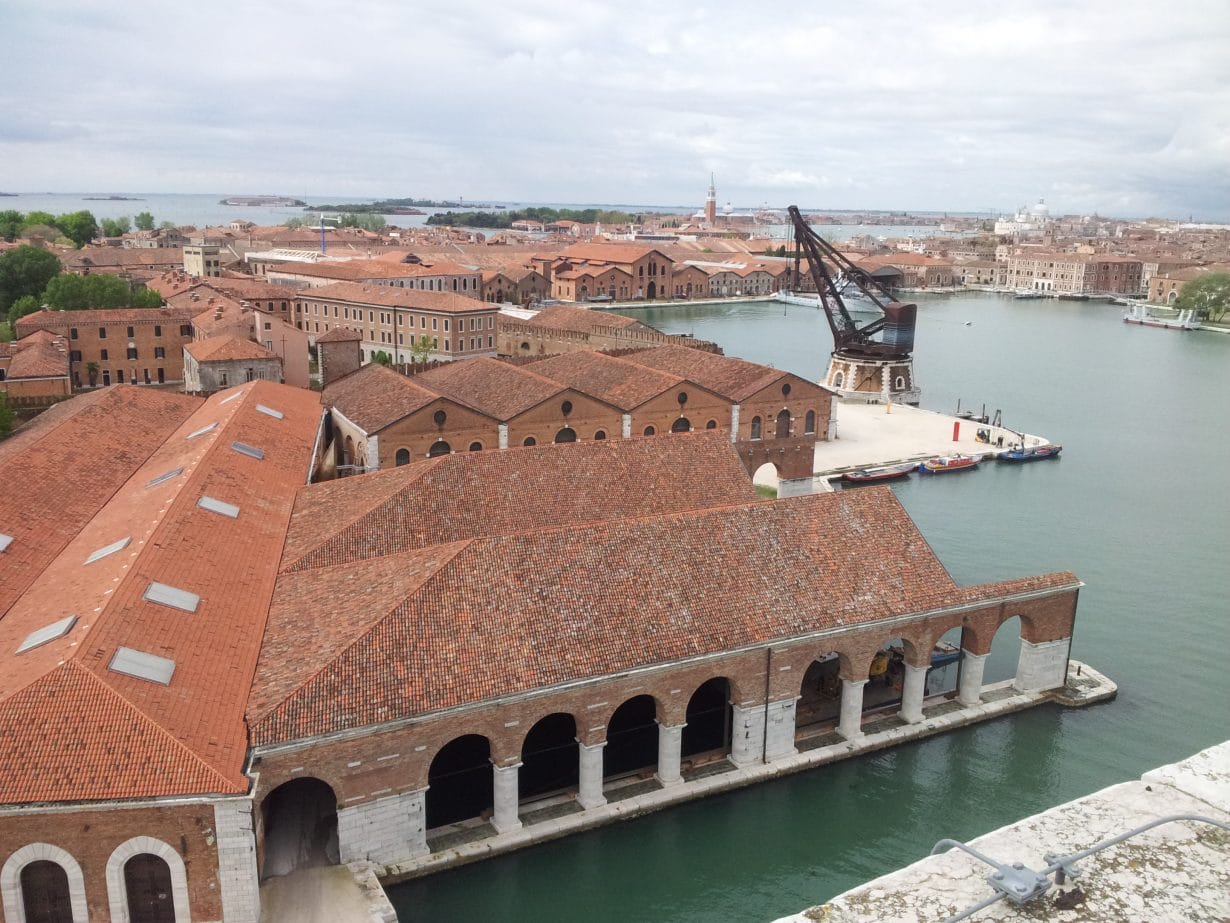
Israel is making a controversial return to the 2025 Venice Art Biennale after its pavilion was locked in 2024 with a note demanding a ceasefire in Gaza. The artist representing Israel, Belu-Simion Fainaru, will present his project "Rose of Nothingness" in the Arsenale, while Russia also returns to the Biennale after its Giardini pavilion was reassigned to Bolivia in 2024. The Art Not Genocide Alliance (ANGA) has renewed calls for a boycott and is organizing strike action to disrupt the event, accusing Israel of genocide.
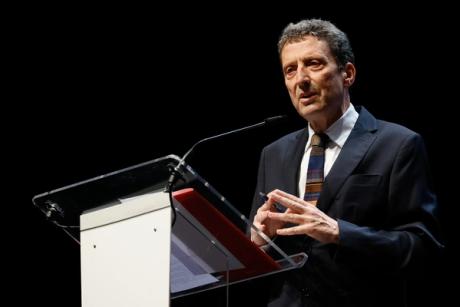
Israeli Pavilion artist issued legal warnings before Biennale jury resignation

Belu-Simion Fainaru, the artist representing Israel at the 2026 Venice Biennale, issued legal warnings to the Biennale, the Italian Ministry of Culture, and the Italian Prime Minister’s office after the Golden Lion jury announced it would not consider pavilions from countries whose leaders are charged with crimes against humanity by the International Criminal Court, including Israel and Russia. Fainaru’s legal threats cited alleged antisemitism and nationality-based discrimination. Shortly after, the Biennale jury resigned, prompting organizers to postpone the awards ceremony to the closing day and replace the Golden and Silver Lions with two 'Visitors’ Lions' voted on by attendees, with all national participations eligible.

Venice Biennale Jury Bars Israel and Russia from Official Prizes

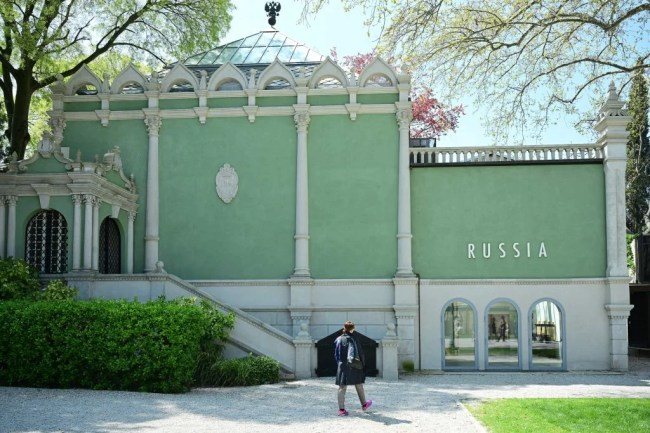
The international jury of the 61st Venice Biennale announced on April 23 that it will not consider the Israeli and Russian pavilions for official prizes, including the Golden Lion for national participation. The five-member, all-women panel—comprising Solange Farkas, Zoe Butt, Elvira Dyangani Ose, Marta Kuzma, and Giovanna Zapperi—said it would exclude countries whose leaders are currently charged with crimes against humanity by the International Criminal Court, a criterion that applies to Israel and Russia due to ICC arrest warrants for Benjamin Netanyahu and Vladimir Putin. The decision comes amid mounting controversy over the Biennale's decision to host both pavilions, with Russia returning after its artists withdrew in 2022 over the Ukraine invasion and Israel reopening after its 2024 pavilion remained closed pending a Gaza ceasefire. The European Commission had also threatened to suspend a €2 million grant over the Russian pavilion's reopening.

Venice Biennale, no prize for Russia or Israel

Biennale de Venise, pas de prix pour la Russie ou Israël

The Venice Biennale has announced that neither Russia nor Israel will receive awards at this year's edition. The decision reflects ongoing geopolitical tensions and controversies surrounding the participation of these nations in the prestigious international art exhibition.

‘Exclusion can only satisfy the ego’: Venice Biennale president hits out at critics amid Russia and Israel controversy

Venice Biennale president Pietrangelo Buttafuoco defended the institution against critics at a conference on May 6, three days before the public opening, amid controversy over Russia's return to the event for the first time since its 2022 invasion of Ukraine and ongoing disputes over Israel's participation. He accused critics of “narcissism” and “censorship,” while Italian culture minister Alessandro Giuli sent inspectors to investigate whether Russia's involvement breached sanctions; a report was submitted to Prime Minister Giorgia Meloni's office. Meanwhile, the Biennale faces legal threats from the artist representing Israel over alleged discrimination, and protests have erupted, including a demonstration by Art Not Genocide Alliance and a Pussy Riot action at the Russia pavilion.

European Commission Tells Venice Biennale to Ditch Russian Pavilion

The European Commission has formally accused the Venice Biennale of violating EU sanctions against Russia by planning to reopen the Russian Pavilion for the 2026 edition. In a letter to the Biennale's president, the Commission argues that hosting a government-funded national pavilion constitutes accepting indirect support from the Russian state during its ongoing war in Ukraine. The organization has threatened to withhold a $2.3 million grant intended for the 2028 edition unless the Biennale addresses these concerns by May 11.

What Did the Golden Lion Die Of? On Judgment and Disavowal at the Venice Biennale

The international jury of the 61st Venice Biennale announced it would exclude from prize consideration countries whose leaders are charged with crimes against humanity by the International Criminal Court, specifically targeting Russia and Israel. This prompted the Italian culture minister to send inspectors to the Biennale's offices, leading the jury to resign. The Biennale then replaced the Golden Lion with "Visitors' Lions" prizes voted by ticket-holders, immediately making Russia and Israel eligible again. The article traces this crisis to the Biennale's historical structure under Mussolini's 1930 Royal Decree, which established the national pavilion system as a diplomatic concession system designed to serve state power, and notes the recent acceptance of a €50 million donation from Qatar for a new permanent pavilion in the Giardini.

Venice Biennale Scraps “Golden Lion” Awards as Turmoil Continues

The 61st Venice Biennale has scrapped its traditional Golden Lion awards, replacing them with public-voted “Visitor Lions” after the entire award jury resigned on April 30. The jury had previously announced its intention to exclude countries whose leaders are charged with crimes against humanity by the International Criminal Court, effectively targeting Russia and Israel. The Biennale Foundation, however, stated that all official national pavilions—including Russia and Israel—will be eligible for the new Visitor Lions, citing principles of inclusion and equal treatment. The awards ceremony has been moved from May 9 to November 22, the final day of the Biennale, to allow ticket holders to vote throughout the event.