
filter_list Showing 2 results for "italian futurism" close Clear
search
dashboard All 2 article culture 1museum exhibitions 1
date_range Range Today This Week This Month All
Subscribe

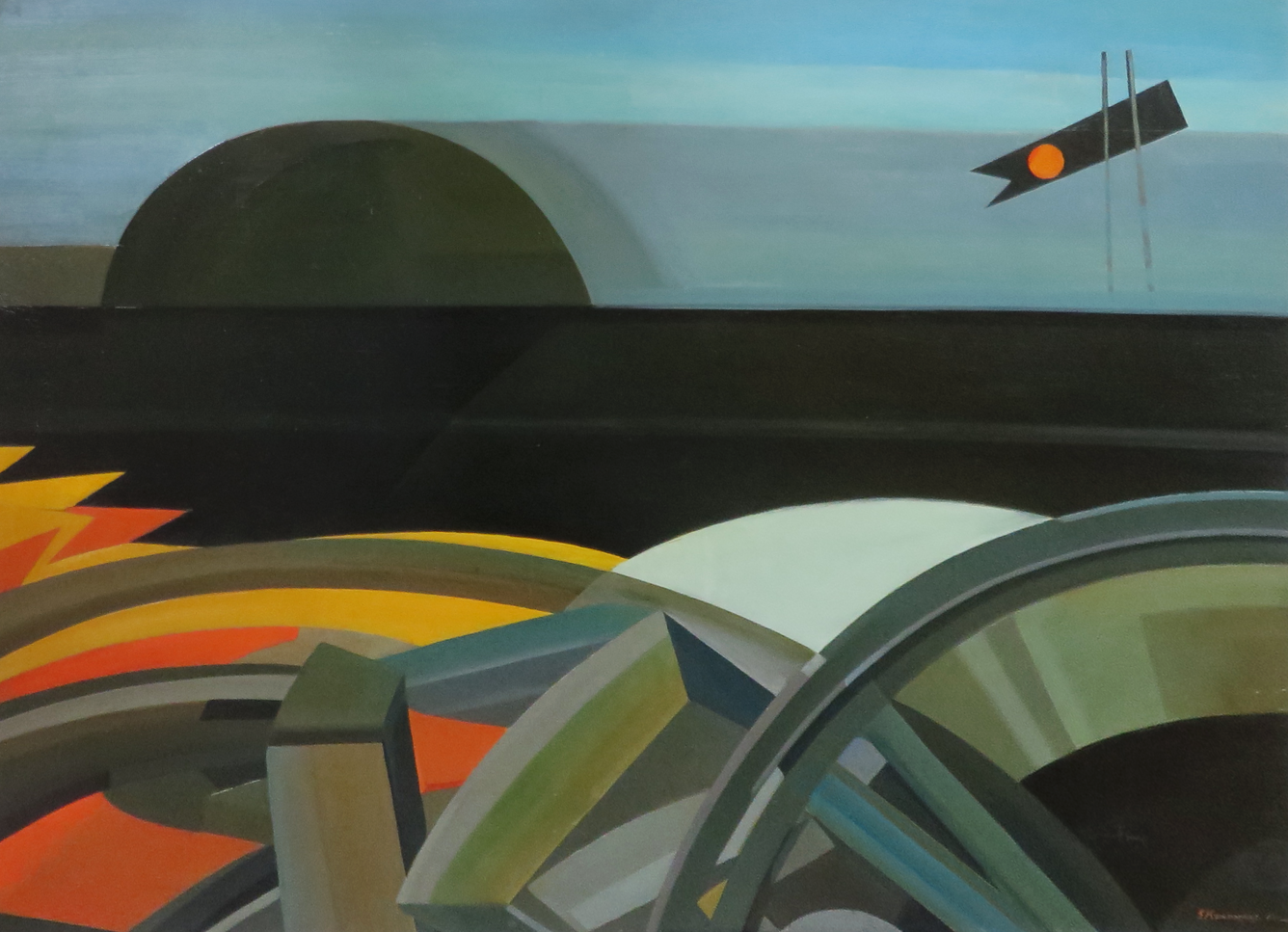
In Genoa, an exhibition dedicated to Giovanni Korompay, the Futurist who loved Pink Floyd

A Genova una mostra dedicata a Giovanni Korompay, il futurista che amava i Pink Floyd

A major retrospective exhibition dedicated to Giovanni Korompay, a Venetian painter, sculptor, and illustrator associated with the second wave of Futurism, has opened at the Wolfsoniana in Genoa Nervi. Titled "Korompay, un’antologica," the show runs until November 1st and features around sixty works, including paintings, sculptures, graphic works, photographs, and documents. It explores Korompay's evolution from traditional training under Ettore Tito to his embrace of Futurist aeropainting, exemplified by works such as "Alta velocità" (High Speed), which celebrates a 1934 world speed record set by a Macchi-Castoldi MC 72 seaplane. The exhibition is curated by Alex Casagrande, Matteo Fochessati, Franco Tagliapietra, and Anna Vyazemtseva, with loans from public museums (Mart, Mambo), private collections, and the Fondazione Korompay.
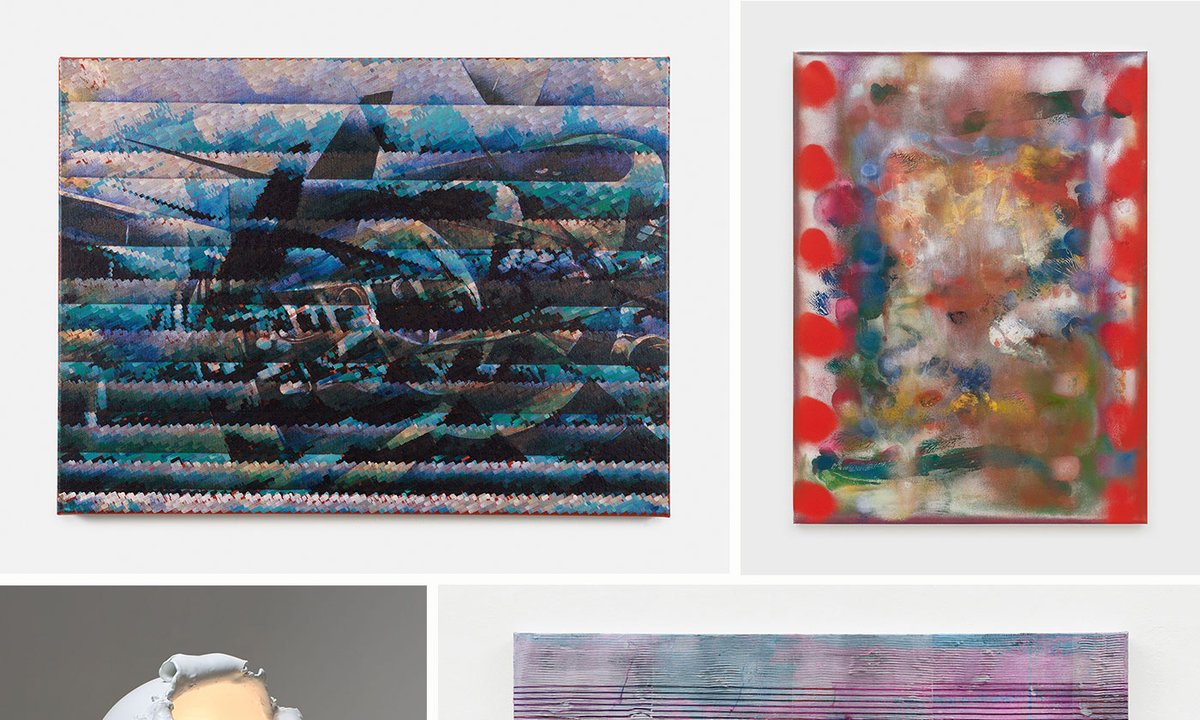
Art’s new hybrid economy: who is making creative waves in a sector where analogue and digital media exist together?

The article examines how contemporary artists are navigating a hybrid art economy where analogue and digital media converge, particularly in the age of AI. It profiles Simon Denny, recently appointed a Member of the New Zealand Order of Merit, whose machine-assisted paintings at Kraupa-Tuskany Zeidler in Berlin address the illegibility of AI-generated images and the militarized rhetoric of Italian Futurism. Other artists featured include Sara Ludy, whose postdigital paintings at Smart Objects, Los Angeles, reflect screen-based perception, and Chris Dorland, whose exhibition at Nicoletti Contemporary, London, exposes the limits of technical systems through glitch aesthetics. Hito Steyerl's new book *Medium Hot: Images in the Age of Heat* (2025) is also discussed, questioning the role of images in an era of operational, nonhuman vision.