filter_list Showing 12 results for "japanese pavilion" close Clear
search
dashboard All 12 museum exhibitions 8article news 2rate_review review 2
date_range Range Today This Week This Month All
Subscribe

yuko mohri sculptures sound venice biennale tanya bonakdar

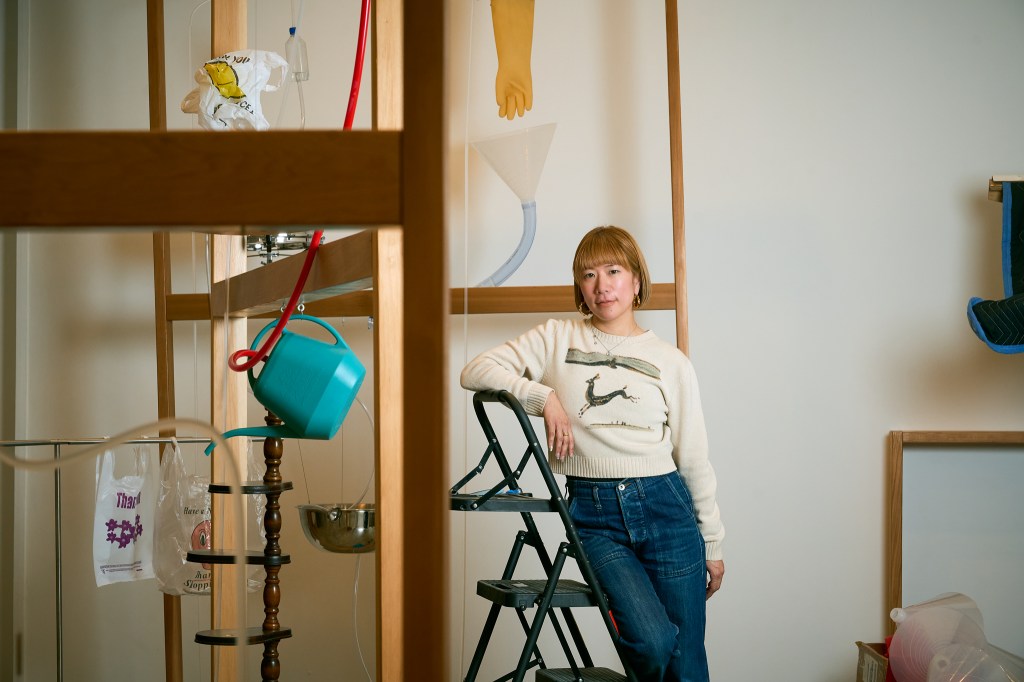
Japanese artist Yuko Mohri has gained international acclaim for her kinetic, sound-based installations that utilize decaying organic matter and found objects to create unpredictable ecosystems. Her recent presentation at the 2024 Venice Biennale's Japanese Pavilion featured sculptures powered by the electrical currents of decomposing fruit and water systems that embraced the pavilion's porous architecture, even during torrential rain.

What You Should Definitely Avoid in Venice

Was man in Venedig unbedingt vermeiden sollte

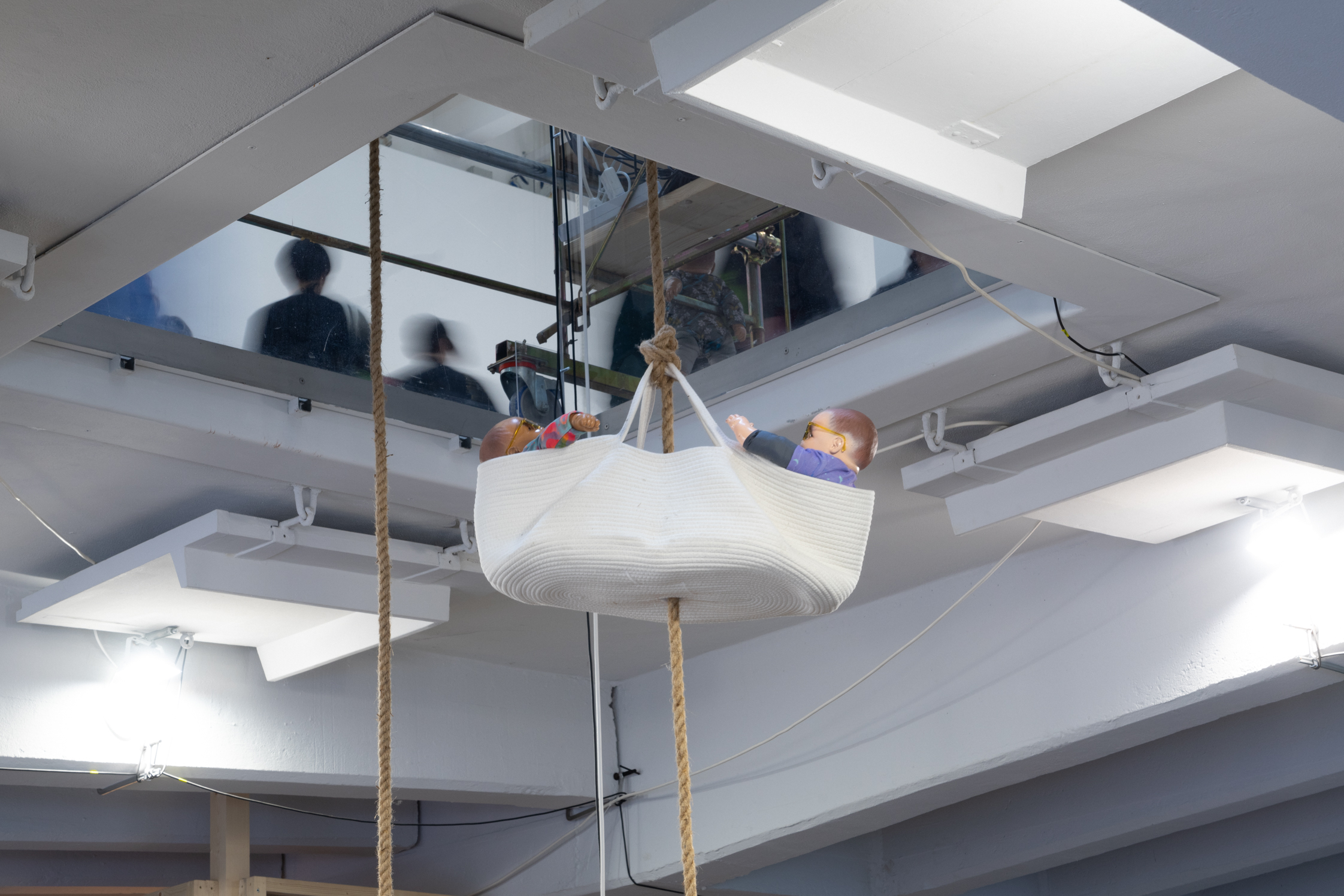
The article humorously critiques the Venice Biennale, highlighting several disappointments. It describes a Japanese pavilion installation by Ei Arakawa-Nash featuring baby dolls for diaper-changing, which a critic dismisses as a male artist over-romanticizing parenthood. Other flops include long queues for the German and Austrian pavilions, underwhelming main exhibition "In Minor Keys," and annoying self-promotional performers outside venues. The piece also laments the presence of loud American collectors and donors who dominate the event.

ArtReview April & May 2026 Issue Out Now

ArtReview's April & May 2026 issue explores boundaries and limitations in art, with a focus on the 61st Venice Biennale opening amid global conflicts. The cover features Japanese-American performance artist Ei Arakawa-Nash with his husband and twin babies, whose collaborative installation at the Japanese Pavilion incorporates the unpredictability of childcare. The issue includes coverage of controversial national pavilions (Russian, Israeli, American), profiles of artists representing Mongolia and Singapore, and features on Beverly Buchanan, Arthur Jafa, Richard Prince, and Zehra Doğan's report from Rojava. It also reviews the 82nd Whitney Biennial, the 25th Biennale of Sydney, and the 15th Shanghai Biennale.

Review: The new LACMA is divisive. It’s also ambitious, disorienting — and radically alive

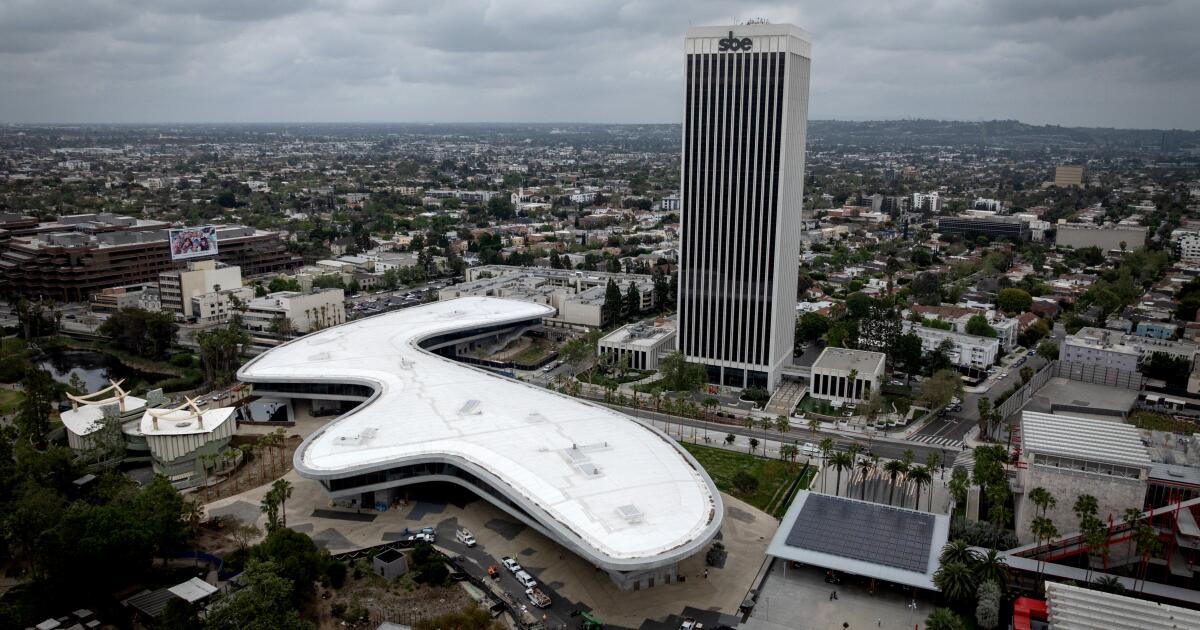
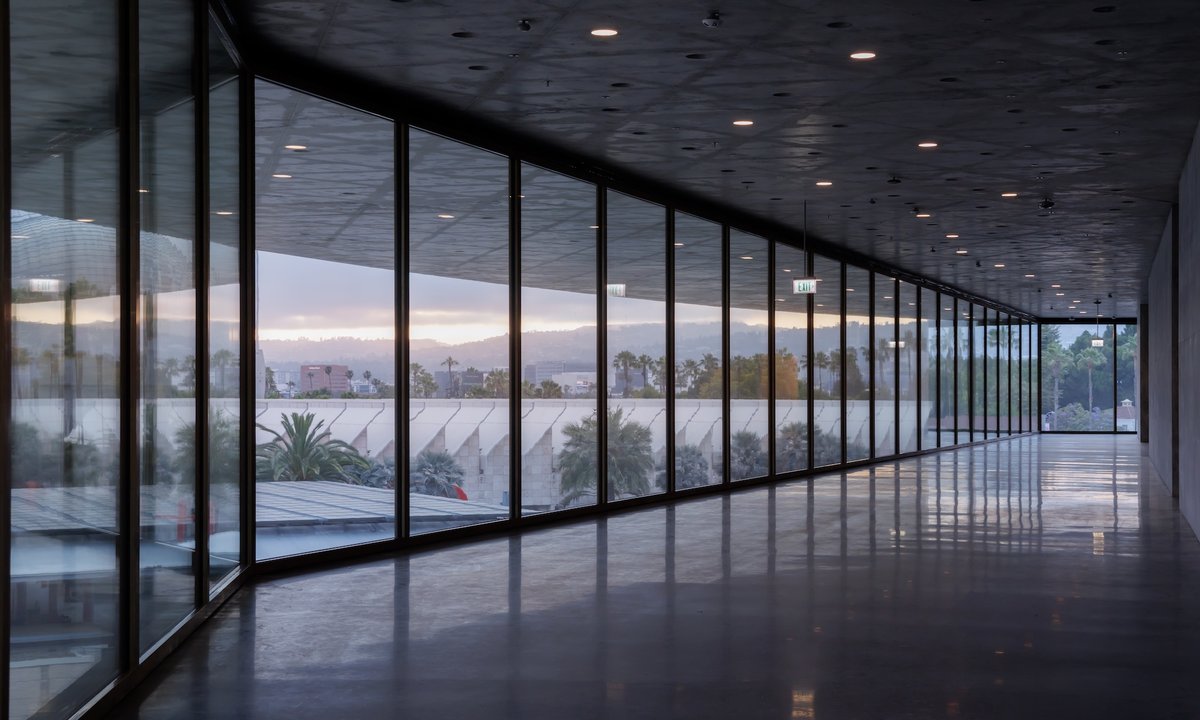
The Los Angeles County Museum of Art (LACMA) has unveiled its $724-million David Geffen Galleries, a massive concrete structure designed by Swiss architect Peter Zumthor that spans Wilshire Boulevard. Replacing several older pavilions, the new building rejects traditional museum conventions like white-cube galleries and encyclopedic organization in favor of a sinuous, organic form that emphasizes light, atmosphere, and a visceral connection to the surrounding landscape.

A first glimpse (and listen) inside Lacma’s $720m new building

The Los Angeles County Museum of Art (Lacma) opened its new $720 million David Geffen Galleries building to 2,000 members and guests for previews on June 27, 2025, before its official opening in April 2026. Designed by Swiss architect Peter Zumthor, the elevated concrete structure spans Wilshire Boulevard with 110,000 square feet of gallery space, floor-to-ceiling windows, and a 300-seat theater. Musician Kamasi Washington organized a "sonic preview" with 100 jazz musicians performing his six-part suite *Harmony of Difference* throughout the empty space. The building sits adjacent to the preserved Japanese Pavilion (designed by Bruce Goff, 1988) and features Tony Smith's sculpture *Smoke* (1967) in a courtyard.

art artists and mothers nonprofit organization

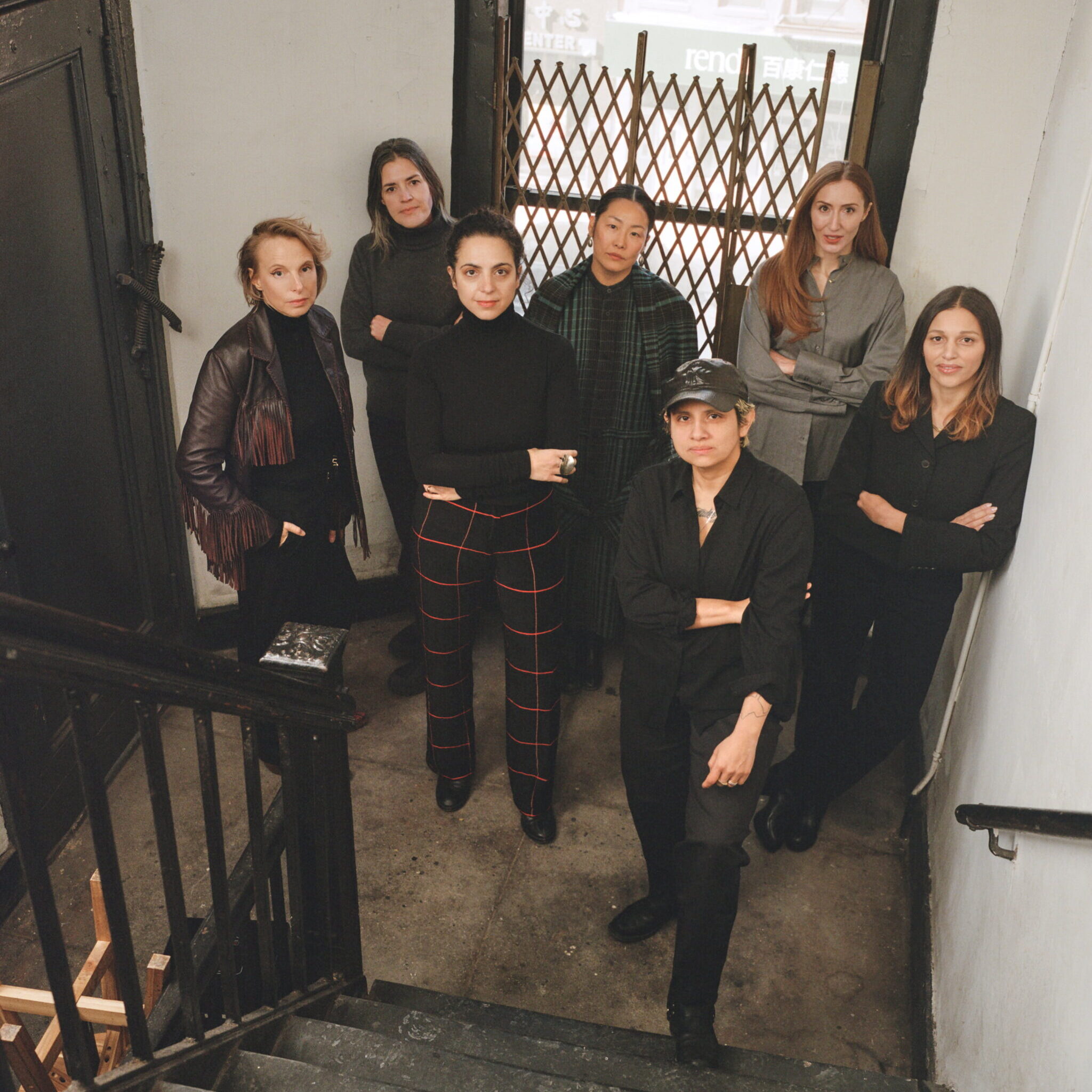
Since 2024, the nonprofit organization Artists & Mothers has been addressing a critical gap in the art world by offering grants for nine months of childcare to New York-based artists with children under three. The organization was founded by Julia Trotta and Maria De Victoria, with board members including Camille Henrot, Bridget Donahue, Maia Ruth Lee, Sarah Goulet, and Elizabeth Karp-Evans. In a Q&A format, the group discusses their motivations, influences, and hopes for a more equitable art world, highlighting works such as Lea Lublin's 1968 performance "Mon fils" and anticipating Ei Arakawa-Nash's Japanese Pavilion at the Venice Biennale.

Several Venice Biennale pavilions shut in protest over inclusion of Israel

Several national pavilions at the 2026 Venice Biennale shut down during the final preview day in a strike organized by the Art Not Genocide Alliance (Anga) protesting Israel's inclusion due to its war in Gaza. Pavilions from Belgium, the Netherlands, Austria, Japan, Macedonia, and Korea closed entirely, while others like Britain, Spain, France, Egypt, Finland, and Luxembourg partially closed or reopened later. Artists in the main exhibition added Palestinian flags and posters reading "Palestine is the future of the world." The Israeli pavilion was closed for a private event, and earlier in the week Pussy Riot staged a protest at the Russian pavilion.

Drained, Drowning, and Decay: The Best National Pavilions at the Venice Biennale

The 2026 Venice Biennale is defined by themes of ruin and decay, with standout national pavilions exploring bodily, infrastructural, and archaeological collapse. The Slovenian Pavilion features the Nonument Group repurposing materials from past Biennales into a ruin of a mosque for Bosnian Muslim soldiers from World War I. Syria presents its first national pavilion since the Civil War, with Sara Shamma invoking Palmyra, destroyed by ISIS. Germany's pavilion, titled "Ruin," features works by Henrike Naumann (who died in February) and Sung Tieu, questioning the pavilion's fascist architecture and nationalist residue. The Austrian Pavilion, curated by Florentina Holzinger, offers a visceral performance titled "Sea World." The Biennale is also marked by the abrupt resignation of its five-member jury, who refused to consider nations charged with crimes against humanity, leading to awards being chosen by public vote. Additionally, the main exhibition "In Minor Keys" was affected by the death of its curator, Koyo Kouoh.

"One of the most dramatic Biennales": 11 unmissable art shows to see at Venice

Theo Christelis reports from the opening week of the 2024 Venice Biennale, describing it as one of the most dramatic editions in recent memory. Key events include the death of main curator Koyo Kouoh and German Pavilion artist Henrike Naumann, the resignation of the prize jury over the participation of Israel and Russia, a protest by Pussy Riot, and a boycott by half the participating artists. Amid the turmoil, Christelis highlights unmissable shows including the Indian Pavilion (returning after seven years), Jenny Saville at Ca' Pesaro, Michael Armitage at Palazzo Grassi, and presentations at the British, Japanese, and Saudi Arabian Pavilions.

Venice Biennale performances confront war and climate fears

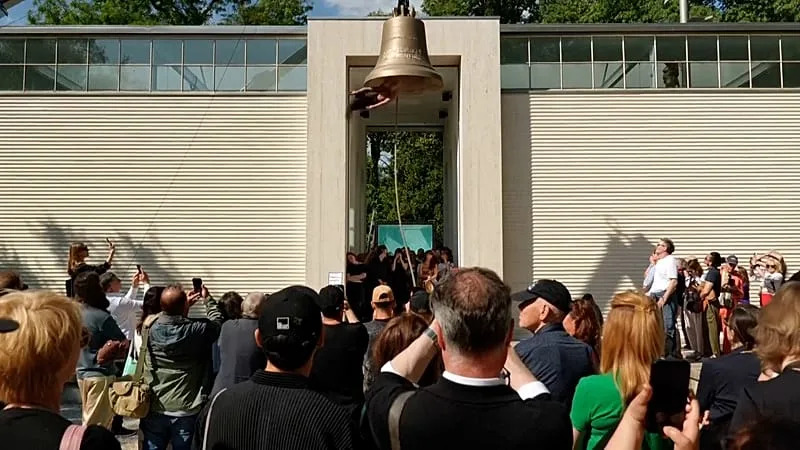
At the 2026 Venice Biennale, visitors encountered provocative performances and installations addressing war, climate anxiety, and human coexistence. Highlights include a naked performer acting as a human bell clapper in Florentina Holzinger's "Seaworld Venice" at the Austrian Pavilion, lifelike baby dolls in Ei Arakawa-Nash's caregiving-focused work at the Japanese Pavilion, and drone-powered flying carpets in Moldova's pavilion that transform symbols of war into tools of peace. The Nordic Pavilion also presented surreal installations exploring coexistence and environmental fears.

The Venice Biennale Korean Pavilion was built in 1995 as the 26th national pavilion in Giardini Cast..

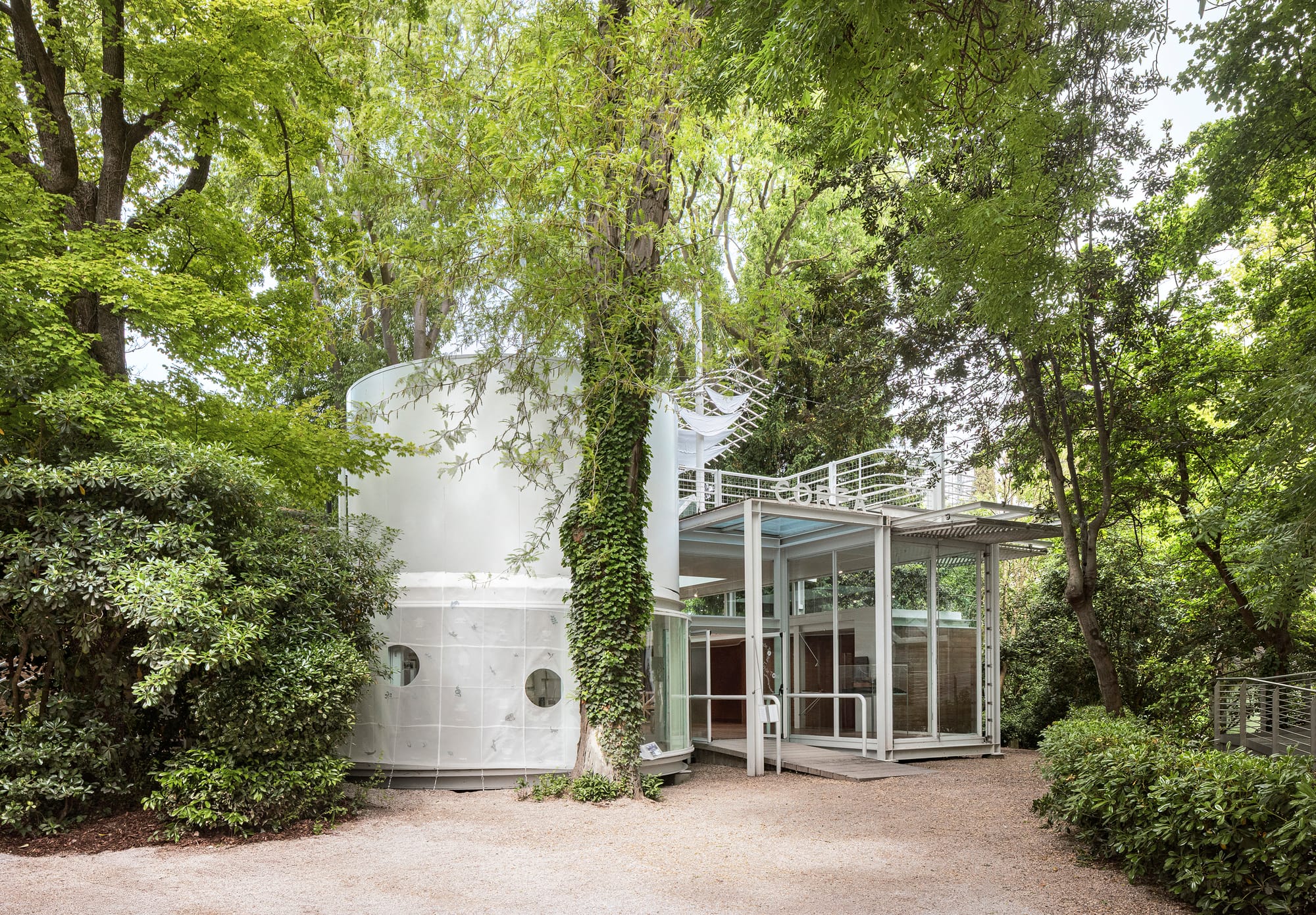
The article reports on the upcoming 61st Venice Biennale in 2026, focusing on the Korean Pavilion's exhibition titled "Liberation Space: Fortress and Nest." The Korean Pavilion, built in 1995 as the 26th national pavilion in Giardini Castello Park, will present itself as a temporary monument exploring Korea's post-colonial history, specifically the liberation period (1945-1948) and the concept of sovereignty. Artistic director Choi Bit-na has curated the exhibition to address Korea's geopolitical context, viewing the pavilion's 1995 entry as a key moment of decolonization alongside the demolition of the Government-General building and the founding of the Gwangju Biennale.

Korea and Japan to Collaborate on Pavilions at Venice Biennale

Arts Council Korea has revealed the program for its national pavilion at the 2026 Venice Biennale. Curated by Binna Choi and titled "Liberation Space: Fortress/Nest," the exhibition will feature artists Goen Choi and Hyeree Ro, exploring the historical period between the end of Japanese colonial rule and the establishment of separate Korean governments. A key feature is artist Goen Choi's work *Meridian*, which will physically extend copper pipes from the Korean Pavilion into the adjacent Japanese Pavilion, marking the first formal collaboration between the two nations' presentations at the Biennale.