
filter_list Showing 3 results for "jo ractliff" close Clear
dashboard All 3 museum exhibitions 2article local 1
date_range Range Today This Week This Month All
Subscribe

Which exhibitions and museums to visit in the evening this May in Paris?

Quels expos et musées voir en nocturne en ce mois de mai à Paris ?

Paris museums and galleries are extending their hours for evening visits in May, with many offering late-night openings on specific weekdays. The Palais de Tokyo is open until 10pm daily except Tuesday, the Musée du Luxembourg stays open until 10pm on Mondays, and the BnF Richelieu site is open until 8pm on Tuesdays. The Fondation Cartier pour l'art contemporain, newly relocated near the Louvre, welcomes visitors until 10pm on Tuesdays, while the Jeu de Paume stays open until 9pm on Tuesdays. On Wednesdays, the Musée du Louvre extends its hours until 9pm, alongside other museums. Current exhibitions include shows dedicated to Leonora Carrington, Martin Parr, and Nan Goldin, among others.
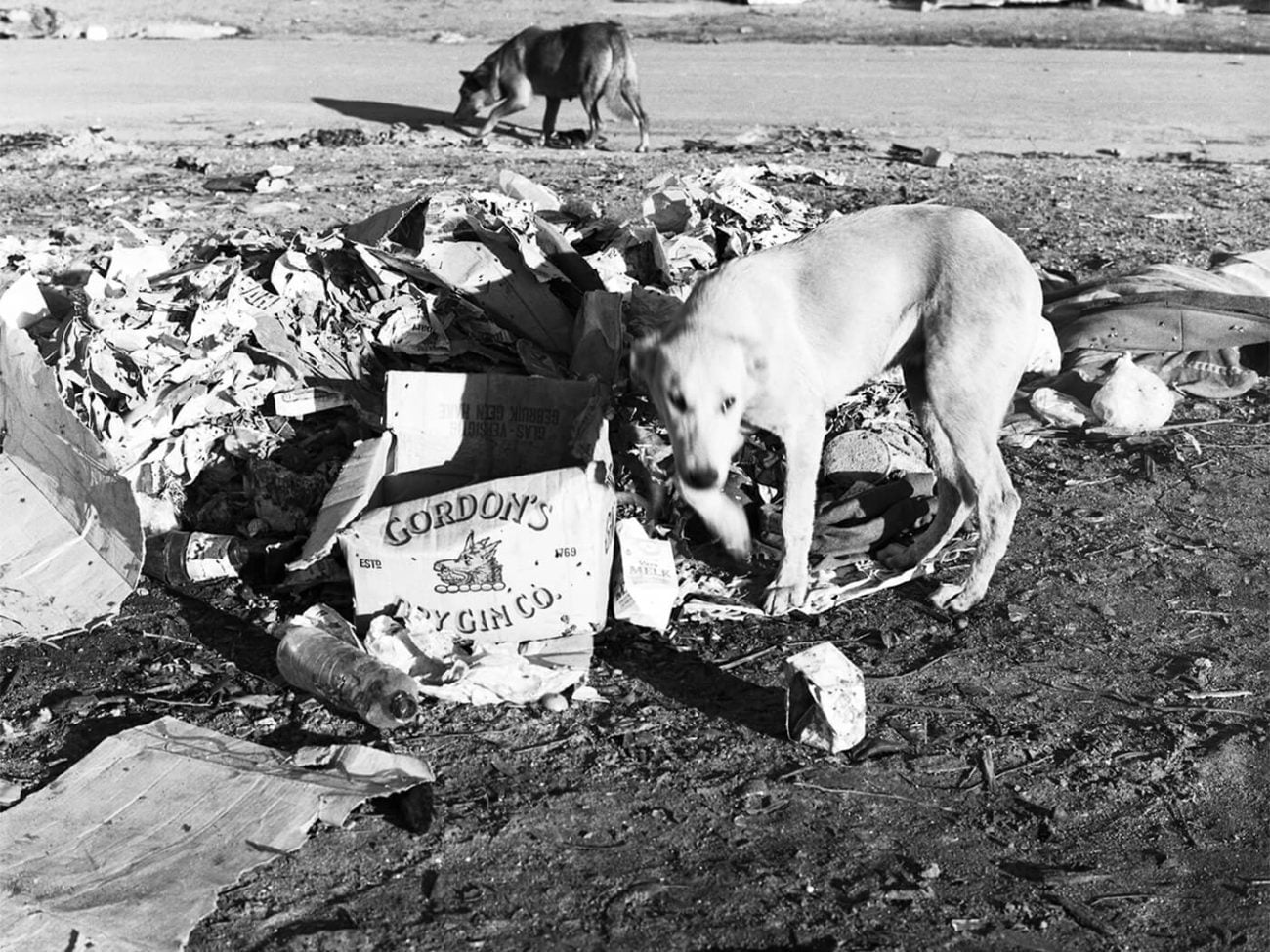
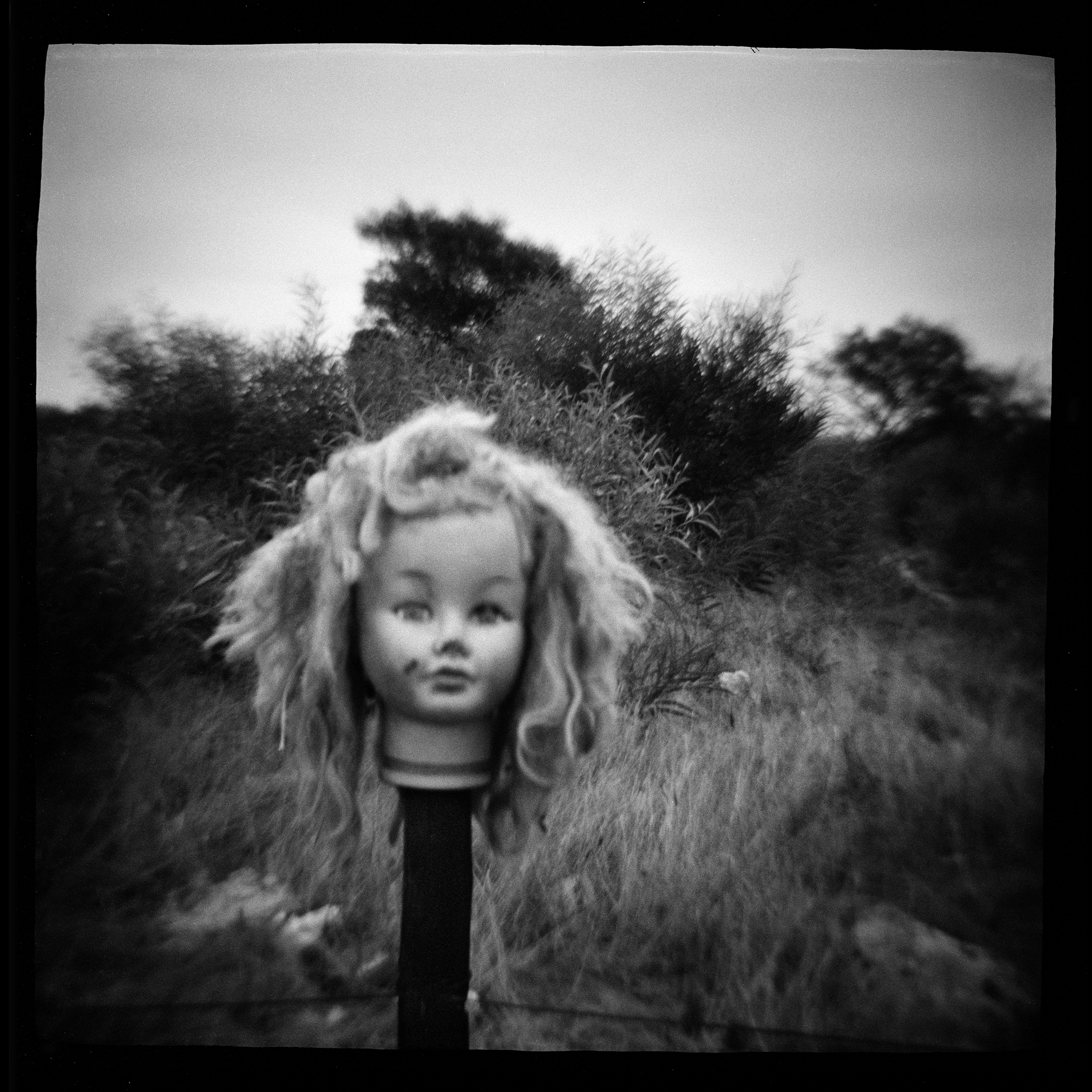
Jo Ractliffe at the Jeu de Paume: “I am not a militant photographer, but when you work in South Africa you cannot escape stories of violence”

Jo Ractliffe au Jeu de Paume : « Je ne suis pas une photographe militante, mais quand on travaille en Afrique du Sud on ne peut échapper aux histoires de violence »

South African photographer Jo Ractliffe discusses her upcoming retrospective at the Jeu de Paume, reflecting on her career path that began during the isolation of the apartheid era. Eschewing traditional photojournalism, Ractliffe developed a singular poetic language focused on landscapes and animals to address the heavy histories of violence, ownership, and displacement in Southern Africa.

‘Out of Place’ : The Afterlives of Landscape.

The major retrospective ‘Out of Place’ at ART AFRICA showcases over 200 images by South African photographer Jo Ractliff, spanning four decades of her career. The exhibition traces Ractliff’s evolution from her early 1980s street photography to her mature, atmospheric landscapes that examine the scars of colonialism, apartheid, and regional conflicts in Southern Africa. By focusing on the 'afterlife' of violence rather than the events themselves, the collection highlights her unique ability to capture how history sediments within the physical terrain.