
filter_list Showing 3 results for "john gachot" close Clear
dashboard All 3 article culture 2museum exhibitions 1
date_range Range Today This Week This Month All
Subscribe

design inspiration summer interiors collecting

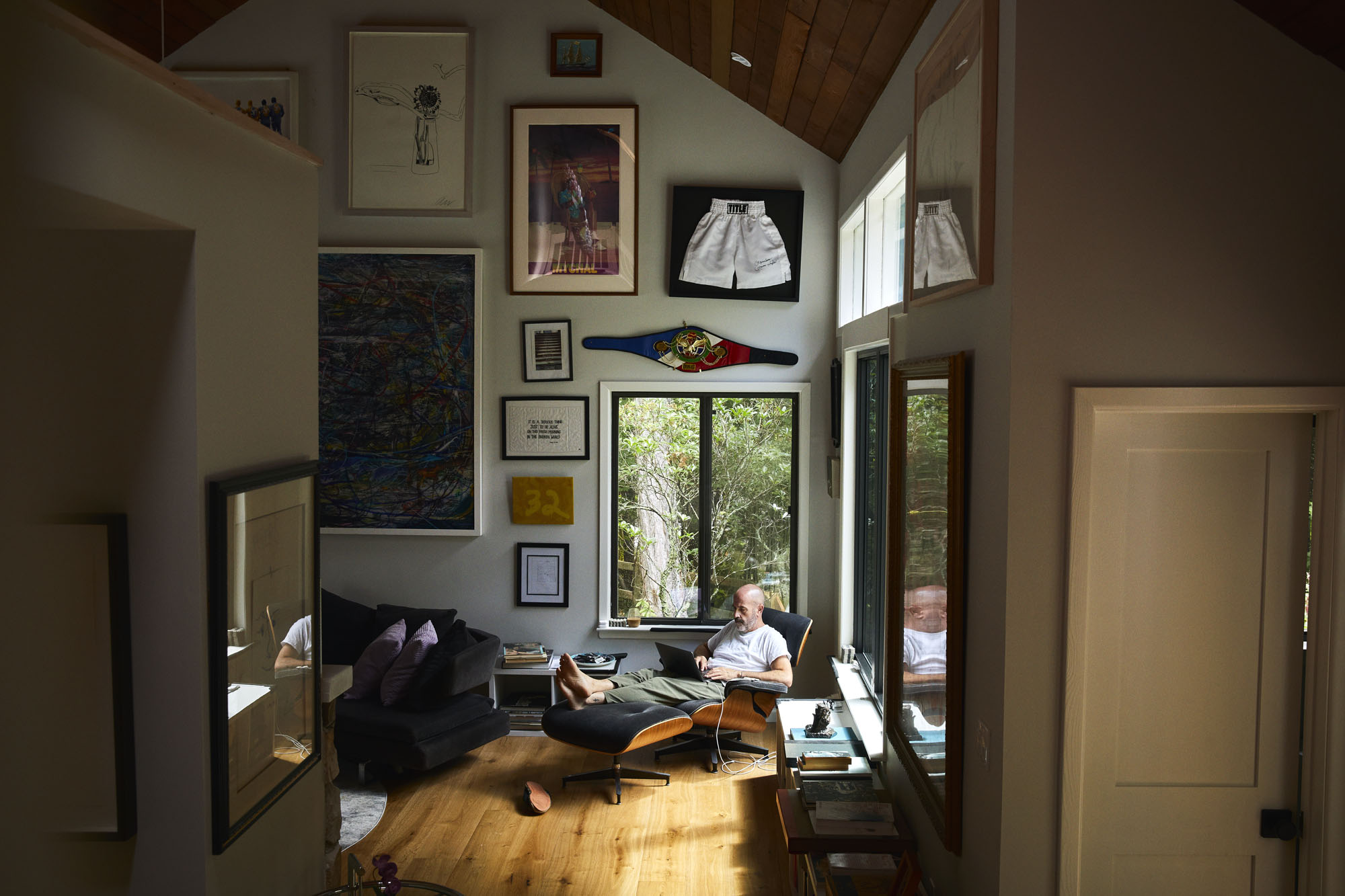
Cultured magazine's article "design inspiration summer interiors collecting" presents five distinct stories exploring the intersection of art, design, and collecting within private homes and studios. It profiles designer John Gachot's Shelter Island studio where his paintings coexist with his father Richard Gachot's sculptures; the Montauk home-workshop of Roman & Williams founders Stephen Alesch and Robin Standefer; artist David Salle's Hamptons residence and his approach to selecting artworks; real estate investor Carl Gambino's art collection featuring emerging and established artists; and author James Frey's personal collection, which he began by purchasing a Picasso with cash.

The Met Costume Institute Unveils Its New Condé M. Nast Galleries

The Metropolitan Museum of Art's Costume Institute has unveiled its new 12,000-square-foot Condé M. Nast Galleries, named for the founder of Architectural Digest's parent company. Designed by the architecture firm Peterson Rich Office (PRO), the five-room exhibition space was carved from a former interior courtyard and gift shop, revealing historic brick and masonry facades that highlight the museum's architectural evolution. The galleries debuted alongside the exhibition "Costume Art," which explores the significance of dressed human form in fashion and fine art, curated by Andrew Bolton and celebrated at the Met Gala on May 4, 2026.

john gachot shelter island studio

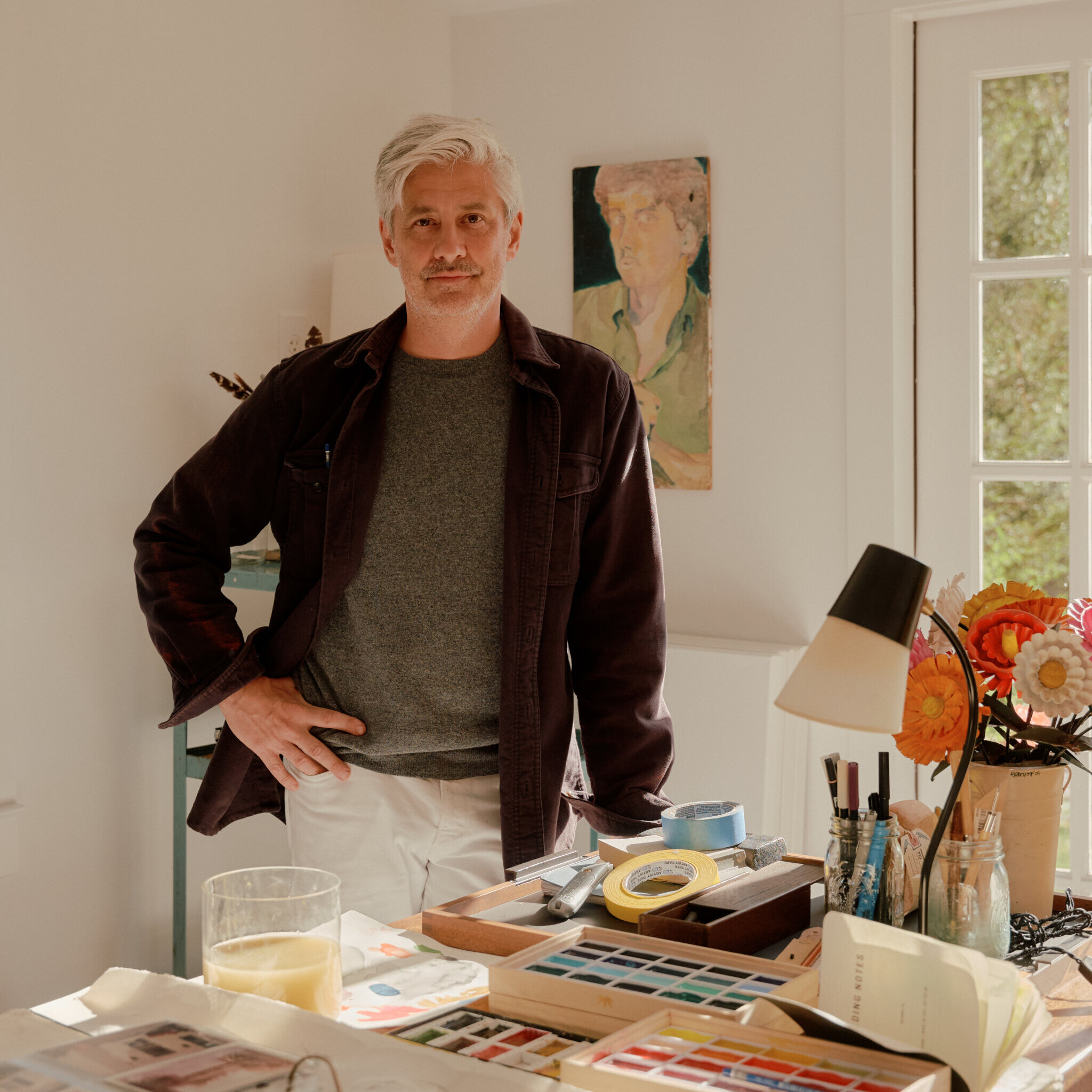
John Gachot, a Manhattan-based designer, has transformed a shed on his Shelter Island property into a studio where he can finally pursue drawing and painting after decades of relegating his practice to notebooks and bar napkins. The space also houses sculptures by his late father, Richard Gachot, an artist who worked out of an ice house on the family's Long Island estate and created animated, politically charged works. The article, structured as an interview, explores how the shed became a creative sanctuary for John and a continuation of his father's artistic legacy.