
filter_list Showing 3 results for "jorge luis borges" close Clear
search
dashboard All 3 article culture 2rate_review review 1
date_range Range Today This Week This Month All
Subscribe

‘My Father’s Shadow’: Now You See Me

Clive Chijioke Nwonka reviews Akinola Davies Jr.'s film *My Father's Shadow* (2025), a semi-autobiographical story of two adolescent brothers traveling through Lagos with their estranged father during the 1993 Nigerian presidential elections. The film, selected for the Cannes Official Selection, employs a metaphysical narrative style rooted in the Nigerian oral tradition, blending literal and spiritual worlds to explore diasporic identity, memory, and cultural preservation.

7 new art and culture books in bookstores. Maps of the present: between art, work, memory and forms of perception

7 nuovi libri d’arte e cultura in libreria. Mappe del presente: tra arte, lavoro, memoria e forme della percezione

This article from Artribune presents a curated selection of seven new art and culture books recently released in Italy. The featured titles range from a theoretical lexicon for 21st-century arts edited by Nicolas Martino, which redefines key terms like 'author,' 'AI,' and 'care,' to a poetic pop-up book by Japanese designer Katsumi Komagata titled 'Piccolo Albero,' which uses paper engineering to narrate the cycle of life. Other works explore themes of labor, memory, domestic space (Giorgio Morandi), inner labyrinths (Andrea Bocconi), and direct testimony from Gaza, all aiming to provide new frameworks for understanding a fractured present.

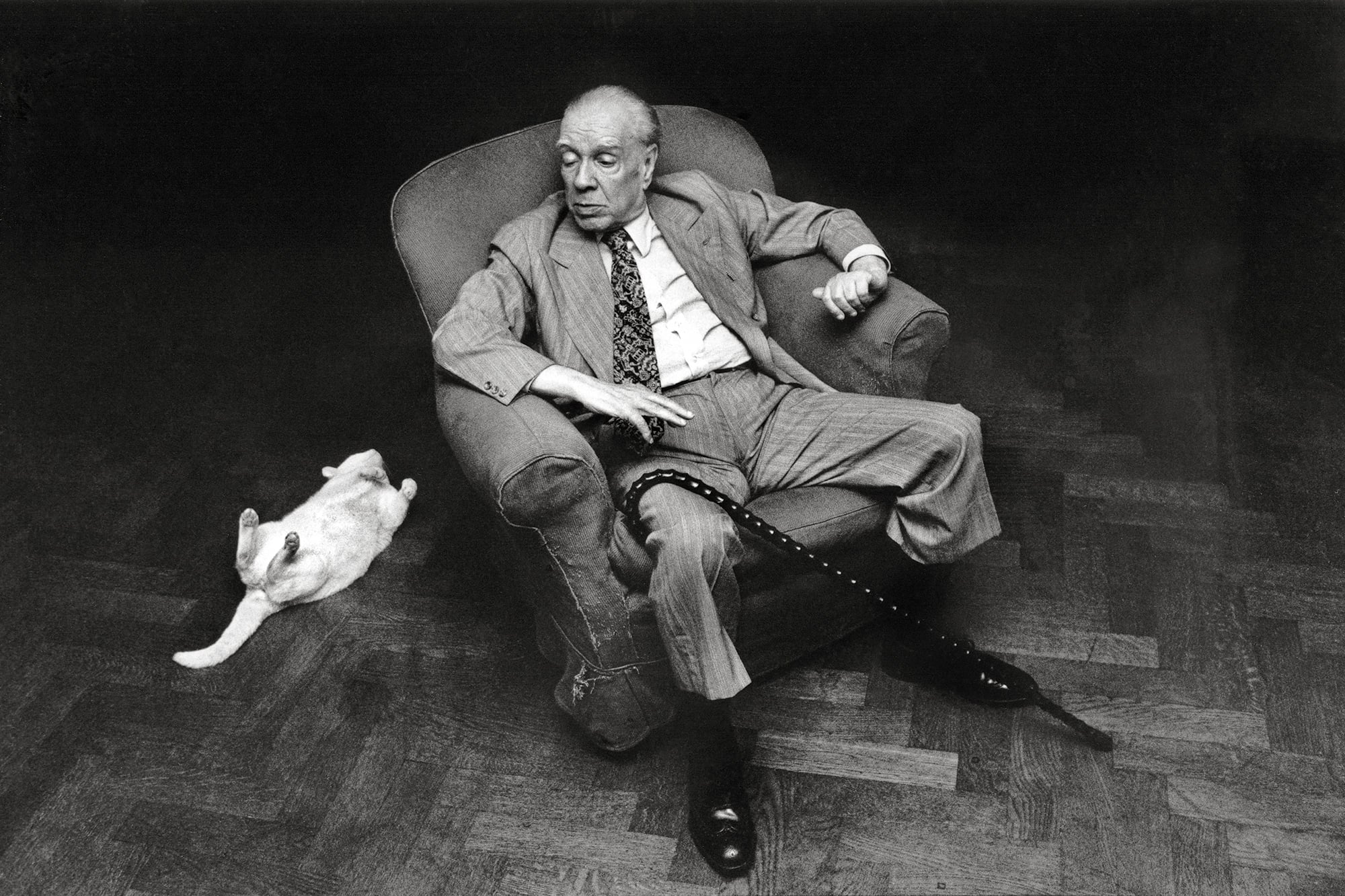
Rediscovering Jorge Luis Borges as an Architectural Critic. 40 Years After His Death

Riscoprire Jorge Luis Borges come critico d’architettura. A 40 anni dalla morte

The article commemorates the 40th anniversary of Jorge Luis Borges's death, reflecting on his legacy as a writer and his lesser-known role as an architectural critic. It highlights a 2025 book by Estela Canto, a close friend, which reveals Borges's personal fragility and contradictions, such as his love for popular cinema over classical music. The piece also explores Borges's fictional architectural criticism, particularly his 1967 work *Cronache di Bustos Domecq* co-written with Adolfo Bioy Casares, where he satirized functional architecture through invented pioneers like Adam Quincey and Alessandro Piranesi.