filter_list Showing 6 results for "kengo kuma & associates" close Clear
dashboard All 6 museum exhibitions 4article news 2
date_range Range Today This Week This Month All
Subscribe

Brandywine Conservancy and Museum picks architects for $100m expansion project

The Brandywine Conservancy & Museum of Art in Chadds Ford, Pennsylvania, has selected Kengo Kuma & Associates, along with landscape architects Field Operations and Schwartz Silver Architects, to lead a $100 million expansion project. The plan includes a new 40,000-square-foot museum building, renovation of the existing 19th-century grist mill museum, and a ten-mile loop of walking trails connecting the two buildings to the historic studios of artists N.C. Wyeth and Andrew Wyeth. Construction is expected to begin in spring 2025, with completion in autumn 2029. Nearly half the funding has been raised, including contributions from the Wyeth Foundation for American Art and Wyeth family members.

Wyeth-Centric Brandywine Museum Will Be Transformed by Kengo Kuma & Associates

The Brandywine Conservancy & Museum of Art in Chadds Ford, Pennsylvania, has selected Tokyo-based architecture firm Kengo Kuma & Associates to lead a $100 million transformation of its campus. The project will expand the current 15-acre site into a 325-acre public preserve and garden with ten miles of trails, including a new 40,000-square-foot freestanding museum and a renovation of the existing 19th-century grist mill building. Kengo Kuma will add 14,000 square feet of gallery space, and the new trails will connect the two museums to the original studios of N. C. Wyeth and Andrew Wyeth.

Brandywine Conservancy Unites Global Partners for $100 Million, 325-Acre Expansion

The Brandywine Conservancy & Museum of Art has announced a $100 million, 325-acre expansion project that will add new art galleries, classroom spaces, walking trails, and a nature preserve. The redesign, led by Tokyo-based Kengo Kuma & Associates and Philadelphia-founded Field Operations, will connect the museum to the historic homes and studios of Andrew and N.C. Wyeth, creating a unified campus. Construction is set to begin in spring 2027, with completion expected in fall 2029, and includes flood prevention measures following damage from Hurricane Ida in 2021.

kengo kuma's first US museum emerges within vast art and nature campus in pennsylvania

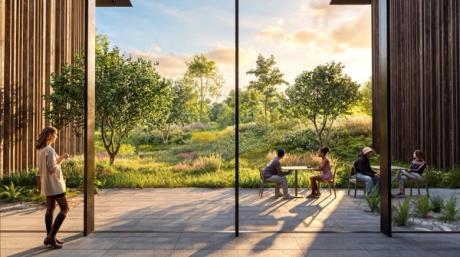
Kengo Kuma & Associates has unveiled the design for its first museum in the United States, a wood-clad pavilion complex at the Brandywine Conservancy & Museum of Art in Pennsylvania. The 3,716-square-meter structure, part of a major expansion, will transform the 6-hectare campus into a 131.52-hectare public preserve and garden designed with Field Operations. Construction is planned to begin in spring 2027, with an opening in fall 2029, adding 80% more exhibition space and integrating art, ecology, and conservation.

Kengo Kuma & Associates to expand campus of Pennsylvania’s Brandywine Conservancy & Museum of Art

Kengo Kuma & Associates has been selected to design an expansion of the Brandywine Conservancy & Museum of Art in Pennsylvania. The project will add new gallery spaces, educational facilities, and improved visitor amenities to the institution, which is known for its collection of American art and its conservation work along the Brandywine River.

The super architect Kengo Kuma on display at the Bonsai Museum, a magical place on the outskirts of Milan

Il super architetto Kengo Kuma in mostra al Museo del Bonsai, luogo magico alle porte di Milano

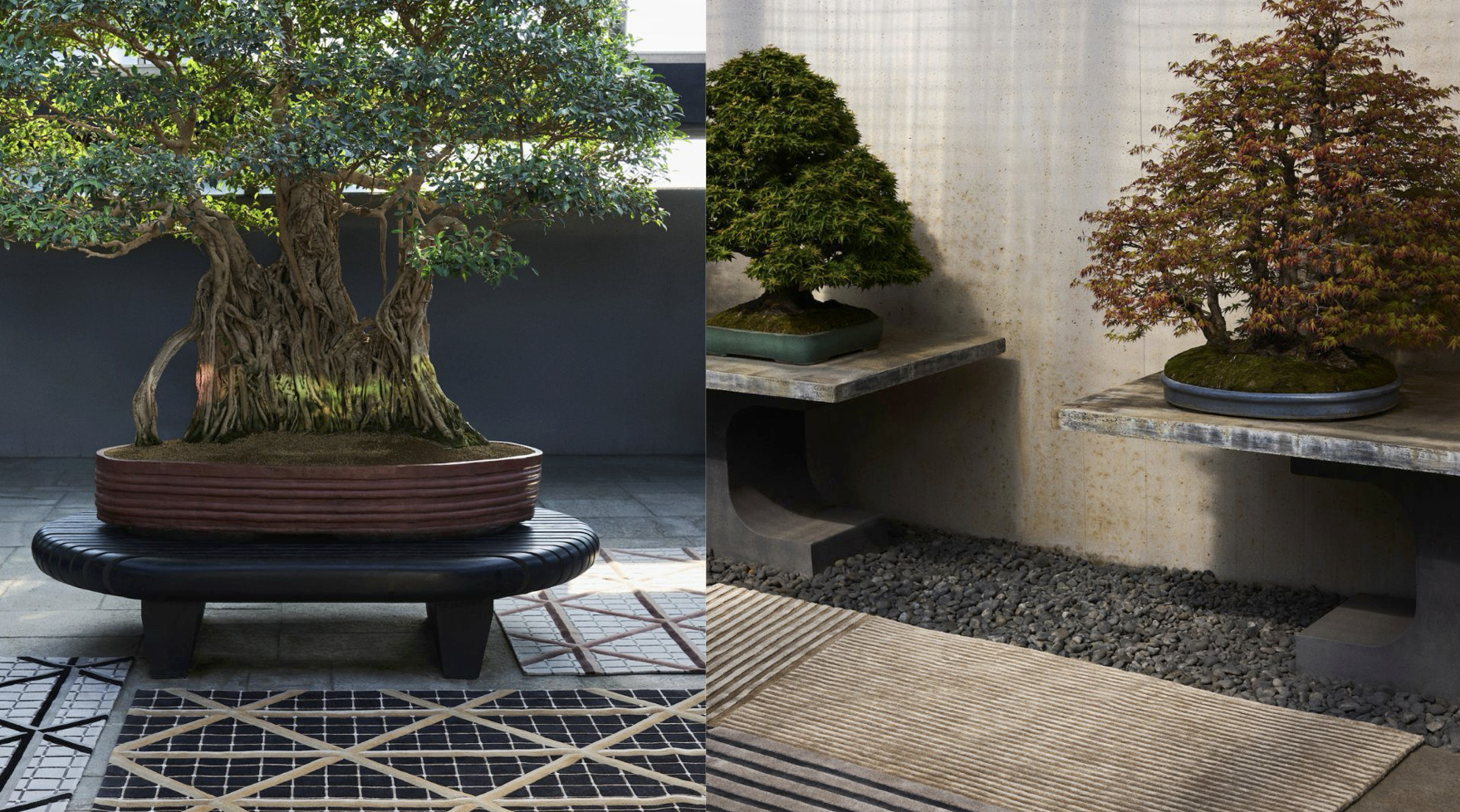
The Crespi Bonsai Museum in Parabiago, near Milan, is hosting an exhibition during Fuorisalone featuring the new carpet collection "Faces" by Indian brand Jaipur Rugs, created in collaboration with renowned Japanese architect Kengo Kuma. The museum, founded 35 years ago by Luigi Crespi, houses the world's most important collection of author bonsai outside Japan, including a thousand-year-old Ficus retusa. The 16 carpets in the collection reinterpret the facades of iconic buildings by Kengo Kuma & Associates, translating their rhythm, depth, and sensory memory into wool and regenerated viscose, displayed among the bonsai and in the museum's zen garden.