
filter_list Showing 3 results for "looted antiquities" close Clear
search
dashboard All 3 gavel restitution 2museum exhibitions 1
date_range Range Today This Week This Month All
Subscribe

U.S. Returns Hundreds of Looted Antiquities to Italy

U.S. officials formally returned 337 looted antiquities, archival materials, and artworks to Italy during a ceremony at Rome’s La Marmora barracks. The objects, spanning from the Villanovan era (900–700 B.C.E.) through the Hellenistic period (323–31 B.C.E.), include Etruscan, Greek, Italic, and Egyptian artifacts. The repatriation was coordinated by Italy’s Carabinieri Command for the Protection of Cultural Heritage, the U.S. Federal Bureau of Investigation, the Department of Homeland Security, and the office of Manhattan District Attorney Alvin Bragg Jr. Key items include a marble head of Alexander the Great, a bronze sculpture from Herculaneum, and Egyptian basalt sculptures. Some 221 objects were recovered via the Manhattan DA, while the remaining 116 were secured with help from Christie’s.

US Returns 337 Looted Objects to Italy in Repatriation Effort

The United States officially returned 337 looted antiquities to Italy at a ceremony held at La Marmora barracks in Rome. Of these, 221 objects were repatriated through the Manhattan District Attorney’s Office, while the remaining 116 were recovered on April 10, 2026, via joint efforts by the FBI, Homeland Security Investigations, the District Attorney’s Office, and Christie’s New York auction house. The objects span from the Villanovan era (900–700 BCE) to the Hellenistic period (323–31 BCE) and include a 1st-century CE marble head of Alexander the Great, a bronze sculpture from Herculaneum, and two Egyptian basalt sculptures.

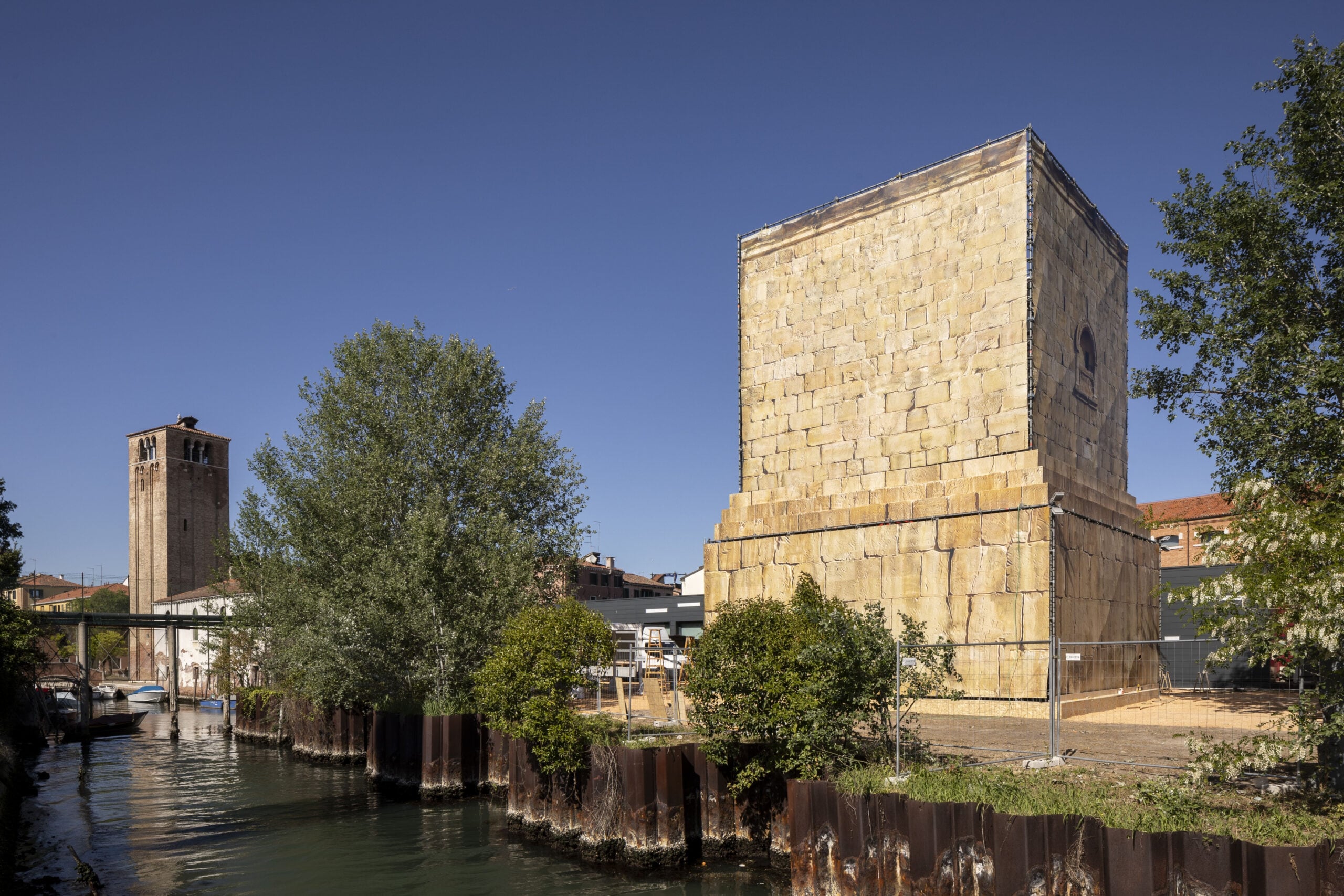
The Syrian Pavilion returns to Venice after the fall of the regime. The interview

A Venezia torna il Padiglione della Siria dopo il crollo del regime. L’intervista

The Syrian Pavilion returns to the Venice Biennale after the fall of the regime, marking the country's first participation since 2024. The pavilion, curated by artist Sara Shamma, is housed in the former refrigerated warehouses of Santa Marta at the Iuav University of Venice and runs until November 22. It features an installation inspired by the ancient funerary towers of Palmyra, combining painting, architecture, light, sound, and scent to explore cultural heritage and the restitution of looted antiquities.