
filter_list Showing 3 results for "marginalized histories" close Clear
dashboard All 3 museum exhibitions 1article news 1person people 1
date_range Range Today This Week This Month All
Subscribe

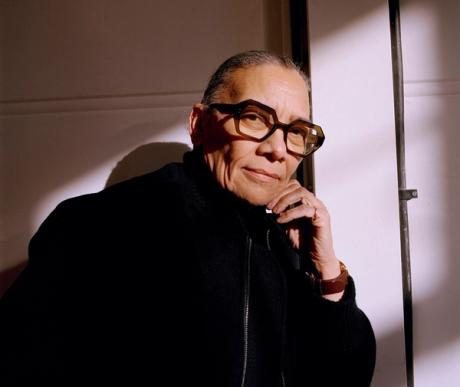
Lubaina Himid on capturing the 'uneasiness' of Britain for her Venice Biennale pavilion

Lubaina Himid, the Turner Prize-winning artist born in Zanzibar and raised in England, is representing Great Britain at the Venice Biennale with a pavilion that captures the 'uneasiness' of living in Britain. The exhibition features her signature paintings, prints, and cutout figures, alongside a soundscape by Magda Stawarska, designed to evoke ambiguous encounters and the gap between a question and an answer. Himid describes the pavilion as a reflection of Britain's everyday pleasantness undercut by a persistent sense of otherness, drawing on her own experience as an East African brought up by English women.

Why our country needs the artist Lubaina Himid right now: "I had to figure out how to represent Britain"

Lubaina Himid has been selected to represent Great Britain at the Venice Biennale, taking over the British Pavilion. The announcement came just before Christmas 2024, shortly before the opening of her first solo exhibition in China at the UCCA Center for Contemporary Art in Beijing, which features major works including 'Naming the Money' (2004). Himid, who was born in Zanzibar and raised in London, is a Turner Prize-winning artist known for centering Black narratives and marginalized histories through theatrical, life-size cut-out figures.

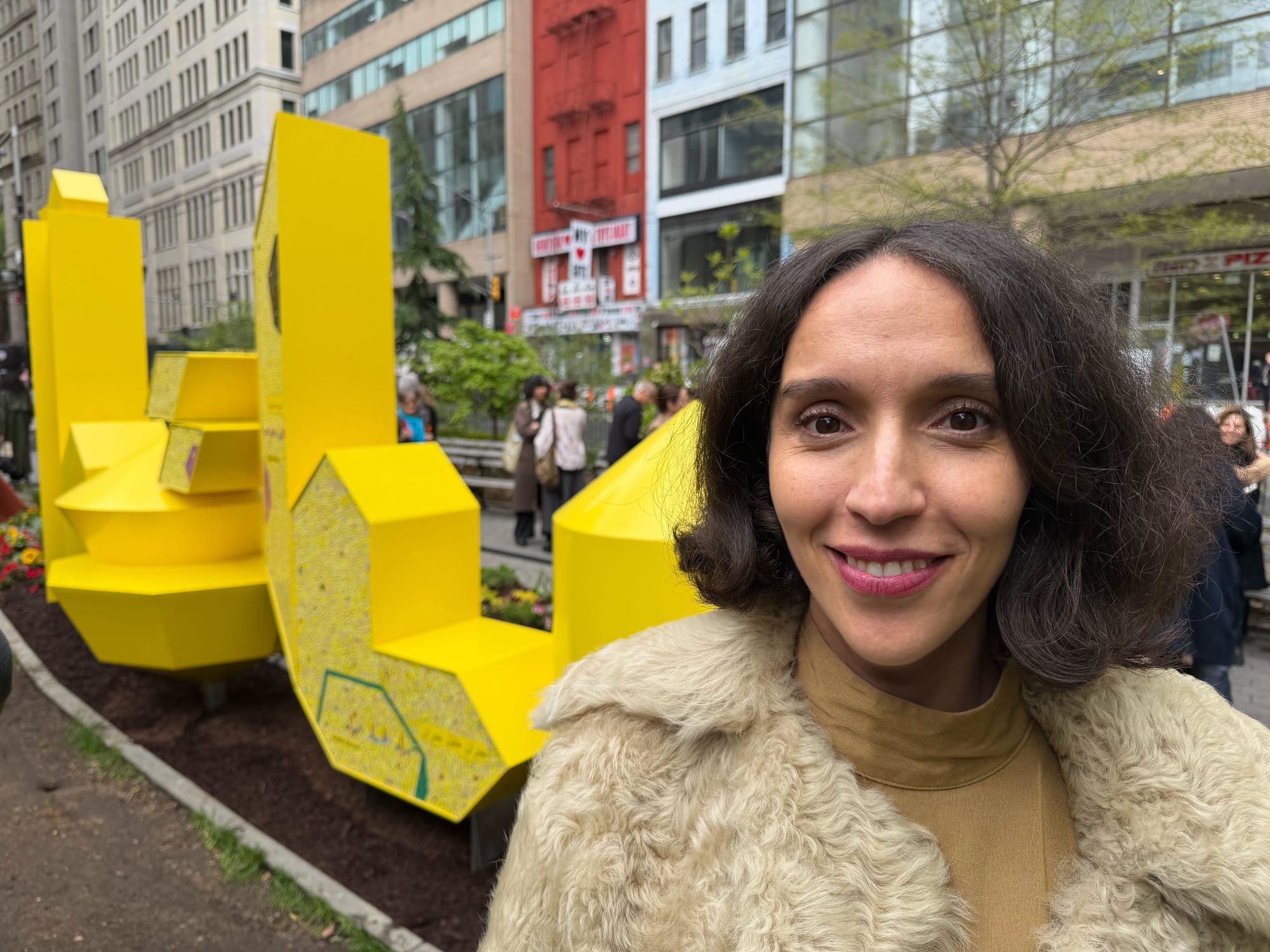
Historic Monument Honors New York's First Arabic-Speaking Community

New York City unveiled its first commemorative public artwork under Mayor Zohran Mamdani's administration on April 30, honoring the historic "Little Syria" neighborhood in Manhattan's Financial District. The monument, titled "Al Qalam (The Pen): Poets in the Park," is a mosaic installation and sculpture by French-Moroccan artist Sara Ouhaddou, created over the past decade. It celebrates nine members of the enclave's literary community, including Lebanese-American poet Khalil Gibran, who co-founded the writers' association Pen Bond in 1920. The $1.6 million artwork sits in Elizabeth H. Berger Plaza, within the blocks where immigrants from Greater Syria settled in the late 19th century before being displaced by tunnel construction in the 1940s.