
filter_list Showing 3 results for "marisol escobar" close Clear
dashboard All 3 museum exhibitions 2article culture 1
date_range Range Today This Week This Month All
Subscribe

7 artists playboy hugh hefner 1099106

Playboy founder Hugh Hefner died at age 91, and this article highlights seven visual artworks inspired by Hefner and his magazine empire. Featured artists include Andy Warhol, who designed a 1986 Playboy anniversary cover; Marisol Escobar, who created a 1966 sculpture of Hefner with two pipes; Sigmar Polke, whose 1966 painting 'Bunnies' uses benday dots to depict a Playboy Bunny; and Richard Hamilton, whose 1961 work 'Pin-up' references Playboy's centerfold. The list also includes Burt Glinn's photograph of Hefner at the Playboy Mansion, Simon Claridge's 2016 series of Playboy covers, and Richard Phillips's 2013 painting 'Playboy Marfa.'
Korea’s first privately owned Van Gogh unveiled at newly opened museum

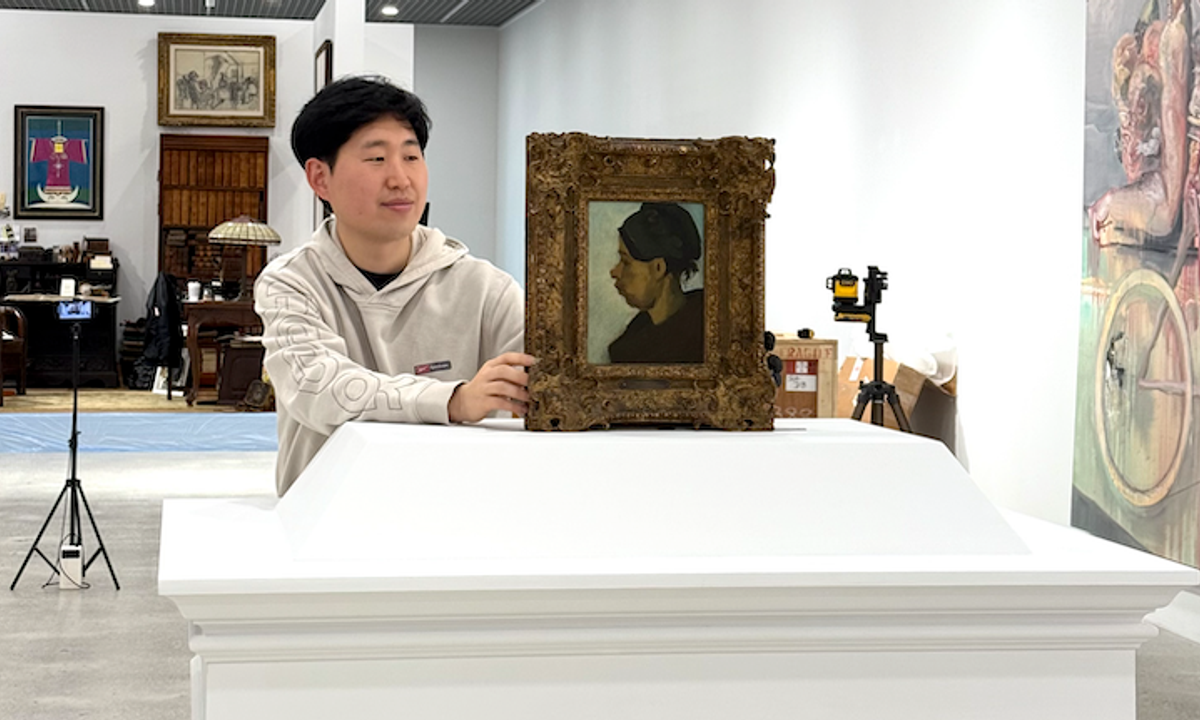
Hong Gyu Shin, a New York-based gallery owner originally from Ulsan, South Korea, became the first named Korean to purchase a Van Gogh when he acquired *Head of a Peasant* (January-March 1885) at Sotheby’s in May 2024 for $787,000—well below its estimate. The painting has now gone on display at the newly opened KAIST Art Museum (KAM) in Daejeon, South Korea, as part of Shin's exhibition *The Vault of Masterpieces* (until 30 August). The show features 49 works from his personal collection, including a recreation of his New York apartment, and marks the first time a Van Gogh has been exhibited on loan from a Korean collector.

The Museo Casa Natal Picasso rescues Marisol Escobar, the forgotten queen of pop art

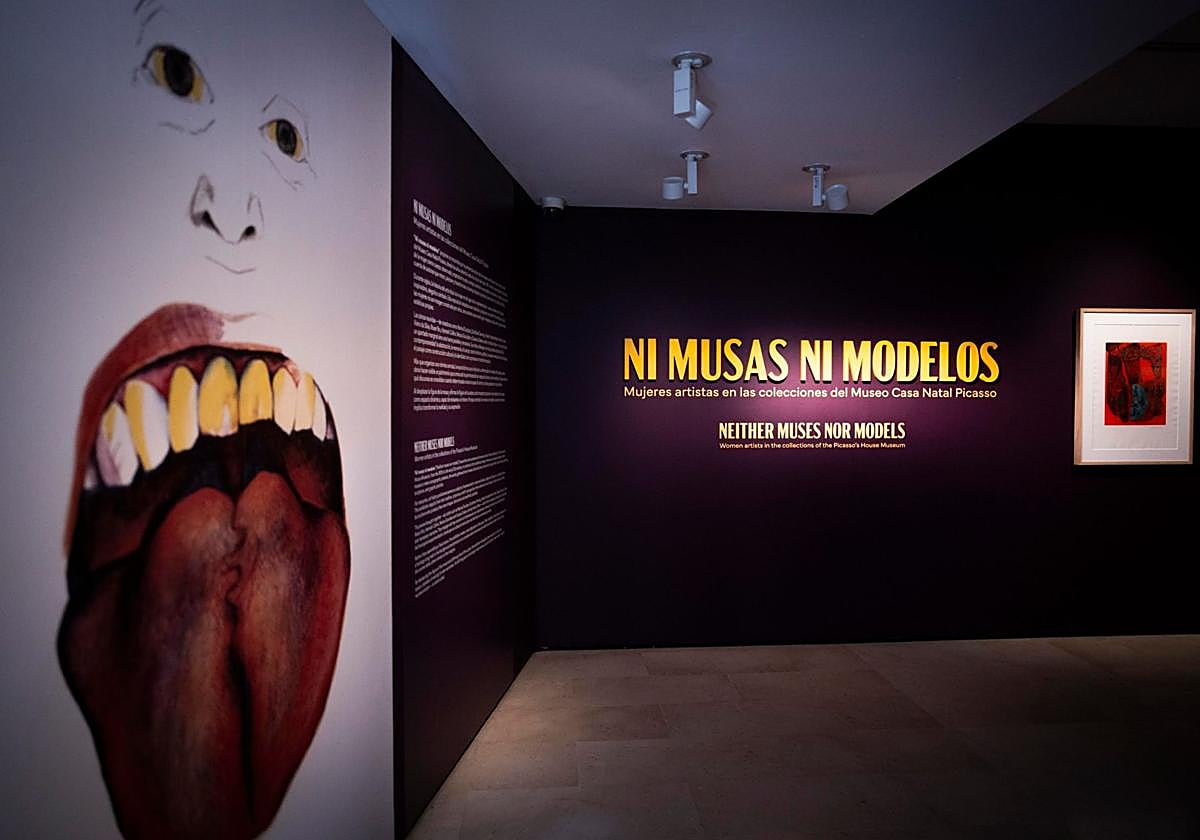
The Museo Casa Natal Picasso in Málaga, Spain, has opened the exhibition "Ni Musas Ni Modelos" (Neither Muses Nor Models), which seeks to reclaim the legacy of Marisol Escobar, a Venezuelan-born pop artist who rose to fame in the 1960s but later fell into obscurity. The show features over forty works by Escobar—including her piece "Saco La Lengua" (I Stick Out My Tongue)—alongside works by thirty other artists such as Dorothea Tanning and Helen Frankenthaler, aiming to correct the historical sidelining of female artists.