
filter_list Showing 3 results for "market reset" close Clear
dashboard All 3 trending_up market 3
date_range Range Today This Week This Month All
Subscribe

Lévy Gorvy Dayan Bets on Urgency With New LGD Hammer Sales Platform

Lévy Gorvy Dayan has launched LGD Hammer, a new sales platform that blends gallery exhibition with auction-style urgency. The first work offered is Willem de Kooning's *Milkmaid* (1984), estimated at $10–$15 million, which will be on view by appointment from May 2 until the sale on May 16. Gallery cofounder Dominique Lévy will serve as auctioneer, drawing on her Christie's experience, while bidding occurs by phone with online observation. Cofounder Brett Gorvy emphasized the platform is not a market overhaul but a response to slowed private sales and cautious collectors who still respond to competitive pressure.
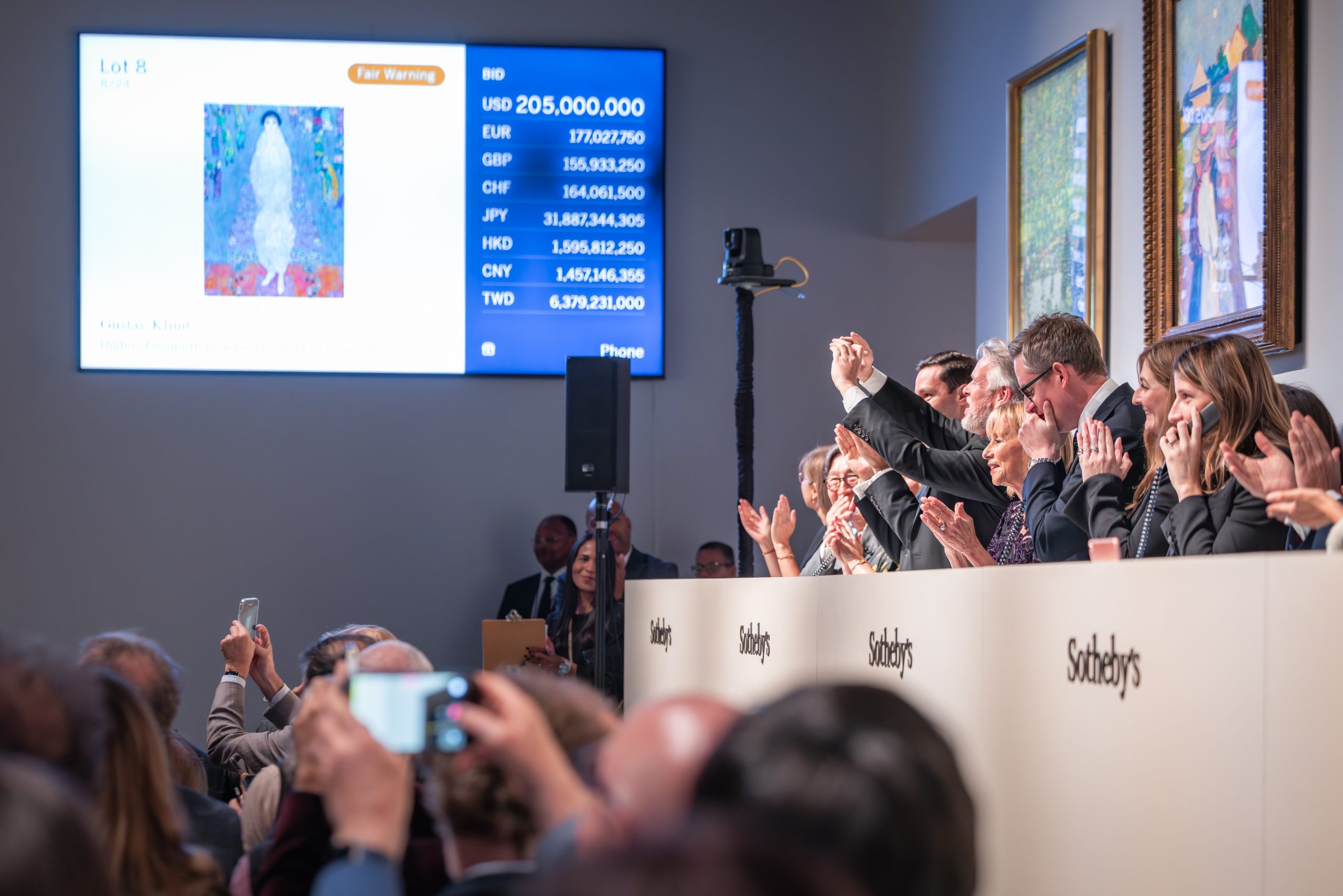

Art Collectors Bet on Known Quantities Amid Market Reset

The Impressionist and Modern art category became the most lucrative market segment in 2025, generating $4.7 billion in sales—a 29.5% increase from 2024—as collectors favored established names amid a cautious market. The $10-million-plus bracket surged 68.6% to $1.5 billion, while the number of lots sold hit a decade high of 122,213. Postwar and contemporary art ranked second with $4.1 billion, but its average price per lot dropped to a decade low of $23,027. Old Masters saw a 41.2% rise to $708.6 million, partly driven by the Thomas A. Saunders III collection at Sotheby’s, though that sale fell short of estimates. Ultra-contemporary art continued its four-year decline, falling 26.5% to $229.9 million, with average prices tumbling 72.4% from their 2021 peak.

Art market trends 2025: Impressionist & Modern hit $4.7B, up 29.5%

According to the 2025 art market trends, Impressionist and Modern art generated $4.7 billion in auction sales, a 29.5% increase from 2024, overtaking Postwar and Contemporary art to become the year's largest auction segment. Meanwhile, Ultra-contemporary art continued its decline, and Old Masters gained ground, signaling a broader shift in collector behavior toward established, blue-chip works.