filter_list Showing 7 results for "modern design" close Clear
dashboard All 7 museum exhibitions 4article culture 1person people 1article news 1
date_range Range Today This Week This Month All
Subscribe

Gae Aulenti's 'Tavolo con ruote': A Radical Icon on Wheels

La « Tavolo con ruote » de Gae Aulenti : une icône radicale comme sur des roulettes

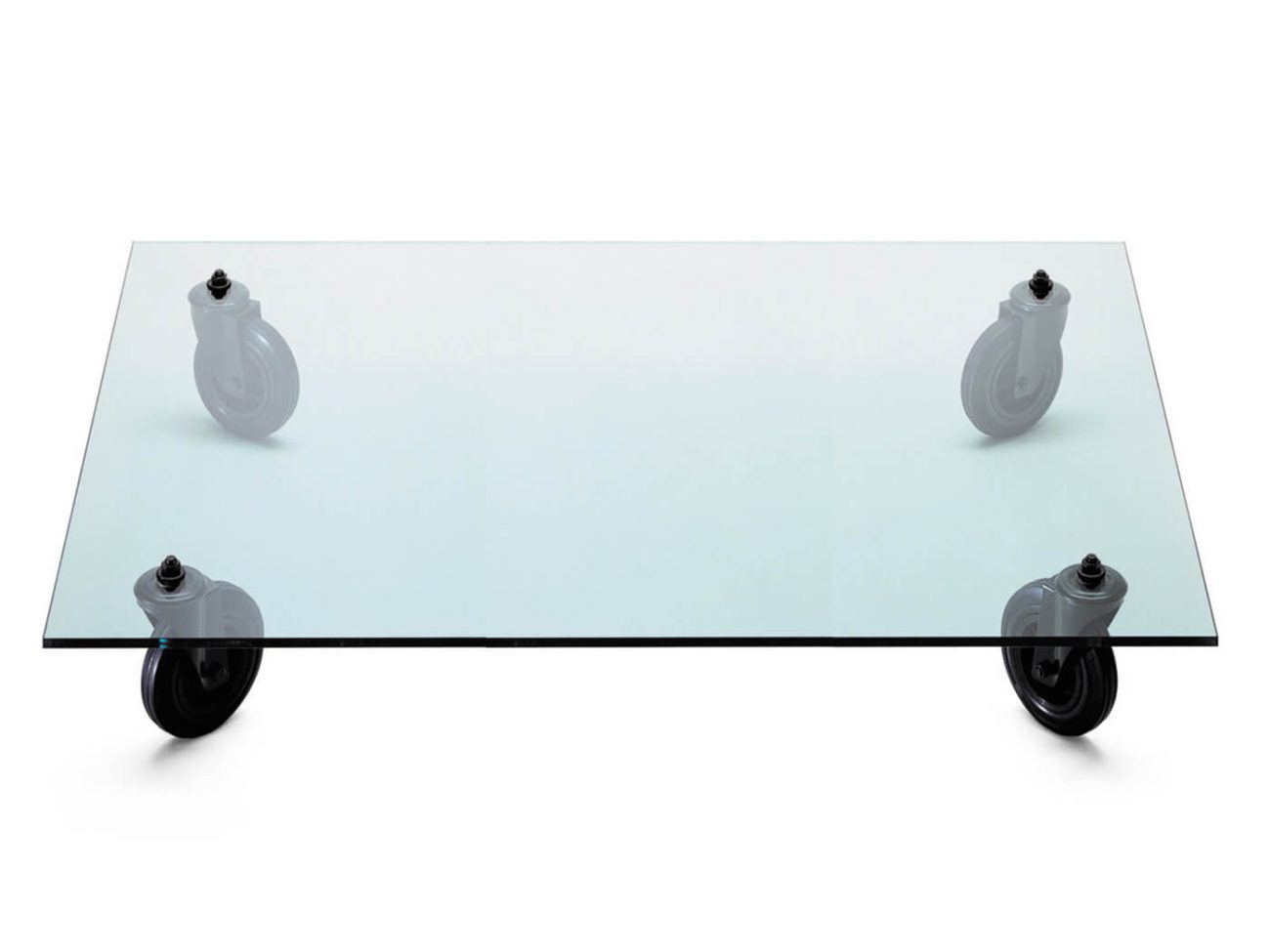
Gae Aulenti’s 1980 'Tavolo con ruote' (Table with wheels) remains a definitive icon of postmodern design, characterized by its radical simplicity. Created during Aulenti's tenure as artistic director of FontanaArte, the piece features a thick glass slab bolted to four industrial trolley wheels, a concept inspired by the factory carts used to transport glass. The table's enduring popularity is highlighted by its recent corporate history, as FontanaArte was acquired by Nemo Lighting in 2024 and subsequently integrated into the Spanish group Kettal in early 2026.
Silk Carries Stories of 3,000 Years

"Seide trägt Geschichten von 3000 Jahren"

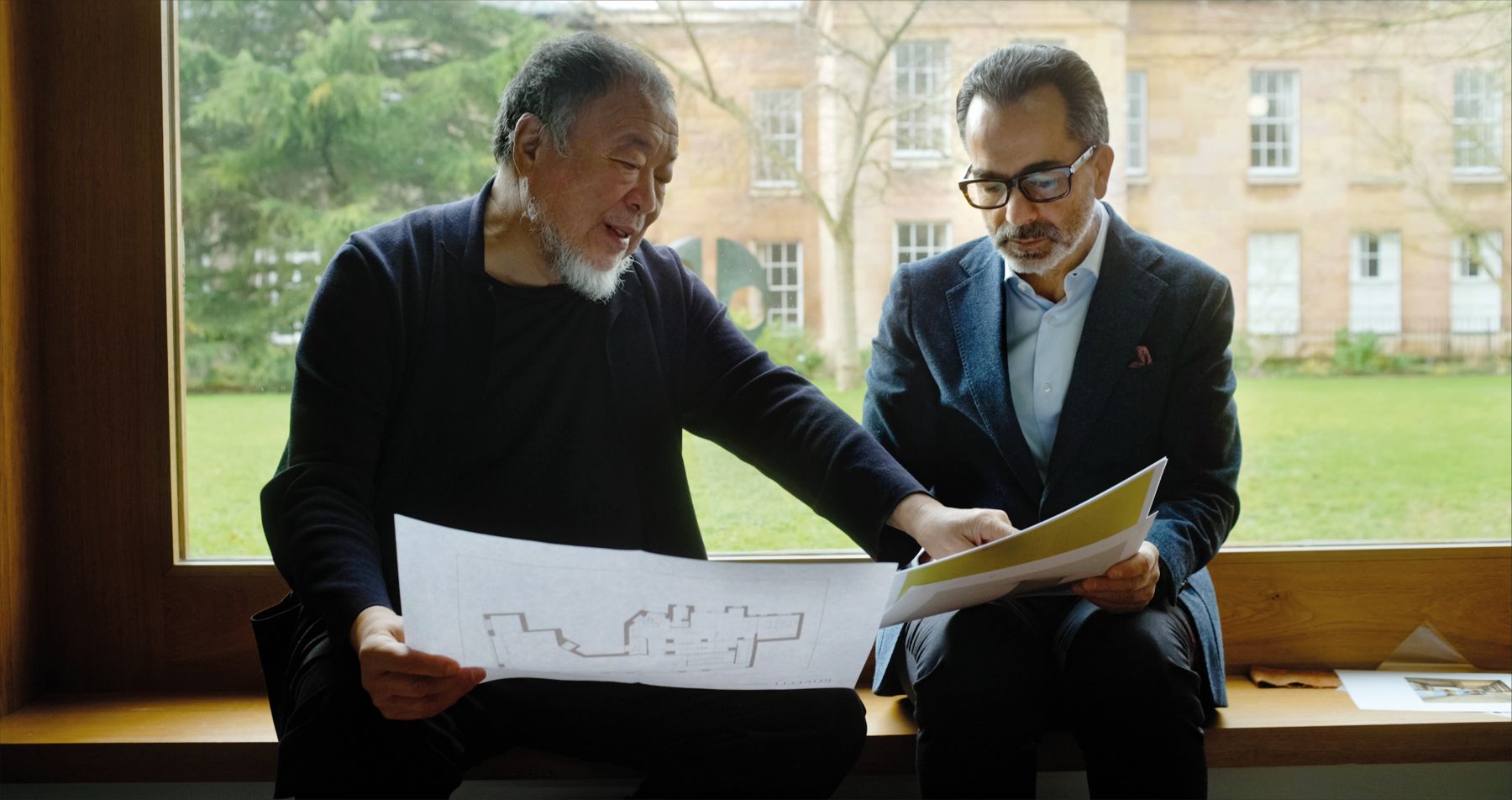
Renowned artist Ai Weiwei has collaborated with the historic Italian textile house Rubelli to create a series of silk objects for Milan Design Week. The installation features intricate silk patterns incorporating the artist's signature political motifs, including handcuffs, surveillance cameras, and the Twitter bird. Despite his vocal criticism of the modern design industry as a profit-driven machine lacking ethics and philosophy, Ai was persuaded by Rubelli’s commitment to craftsmanship and their shared respect for the historical weight of the material.

Jewelry artist Douriean Fletcher’s exhibition opens at Walters Art Museum this weekend

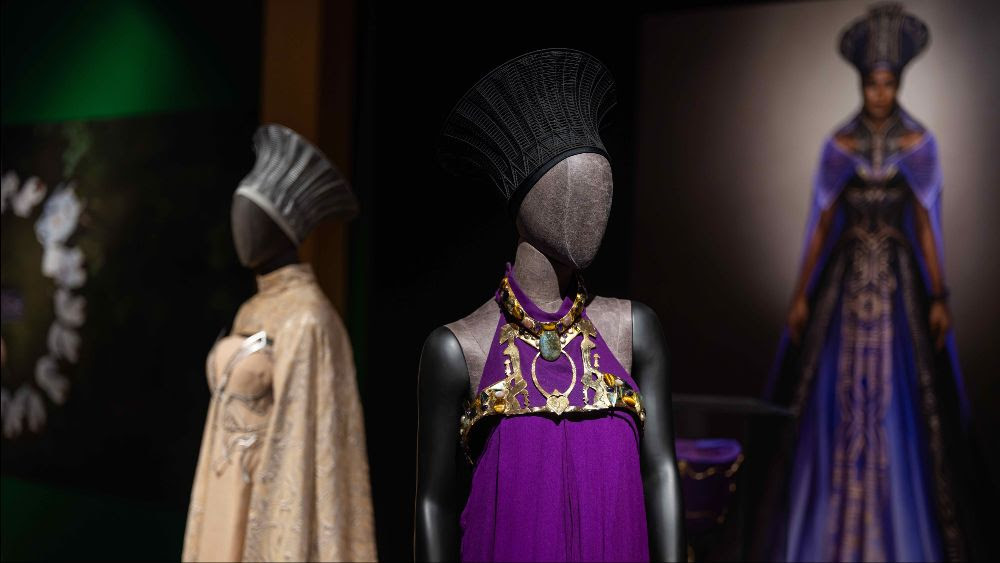
The Walters Art Museum in Baltimore is set to open "Douriean Fletcher: Jewelry of the Afrofuture," a major exhibition featuring over 100 works by the renowned jewelry artist. Fletcher, who gained international acclaim for her costume design work on Marvel’s "Black Panther" franchise, will see her contemporary Afrofuturistic pieces displayed alongside ancient artifacts from the museum's permanent collection, including items from Ancient Egypt and Ethiopia.

Colosseum Facelift Restores Ancient Southern Entrance to Its Former Glory

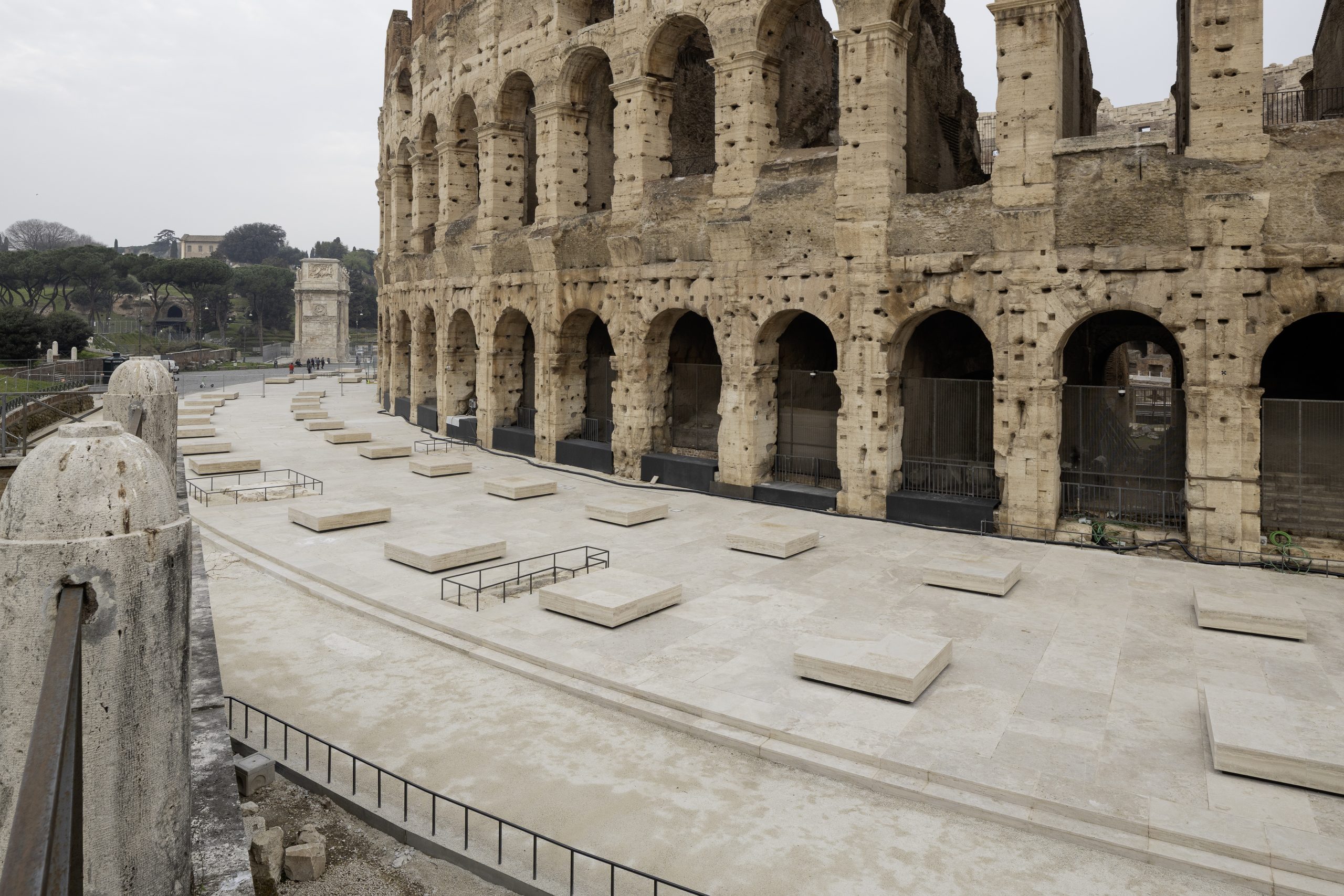
Rome’s Colosseum has unveiled a major four-year restoration of its southern entrance, a project led by Stefano Boeri Interiors in collaboration with the Colosseum Archaeological Park. The renovation lowered the surrounding piazza to its original Roman-era height, reintroduced travertine flooring sourced from ancient quarries, and installed seating blocks that mark the locations of long-lost marble columns. During the excavation process, archaeologists recovered a wealth of historical artifacts, including ancient coins, statues, and gold jewelry, while leaving a specific section untouched to showcase the arena's complex hydraulic foundations.

Goran Konjevod Transforms Paper into Elegantly Organic Origami Vessels

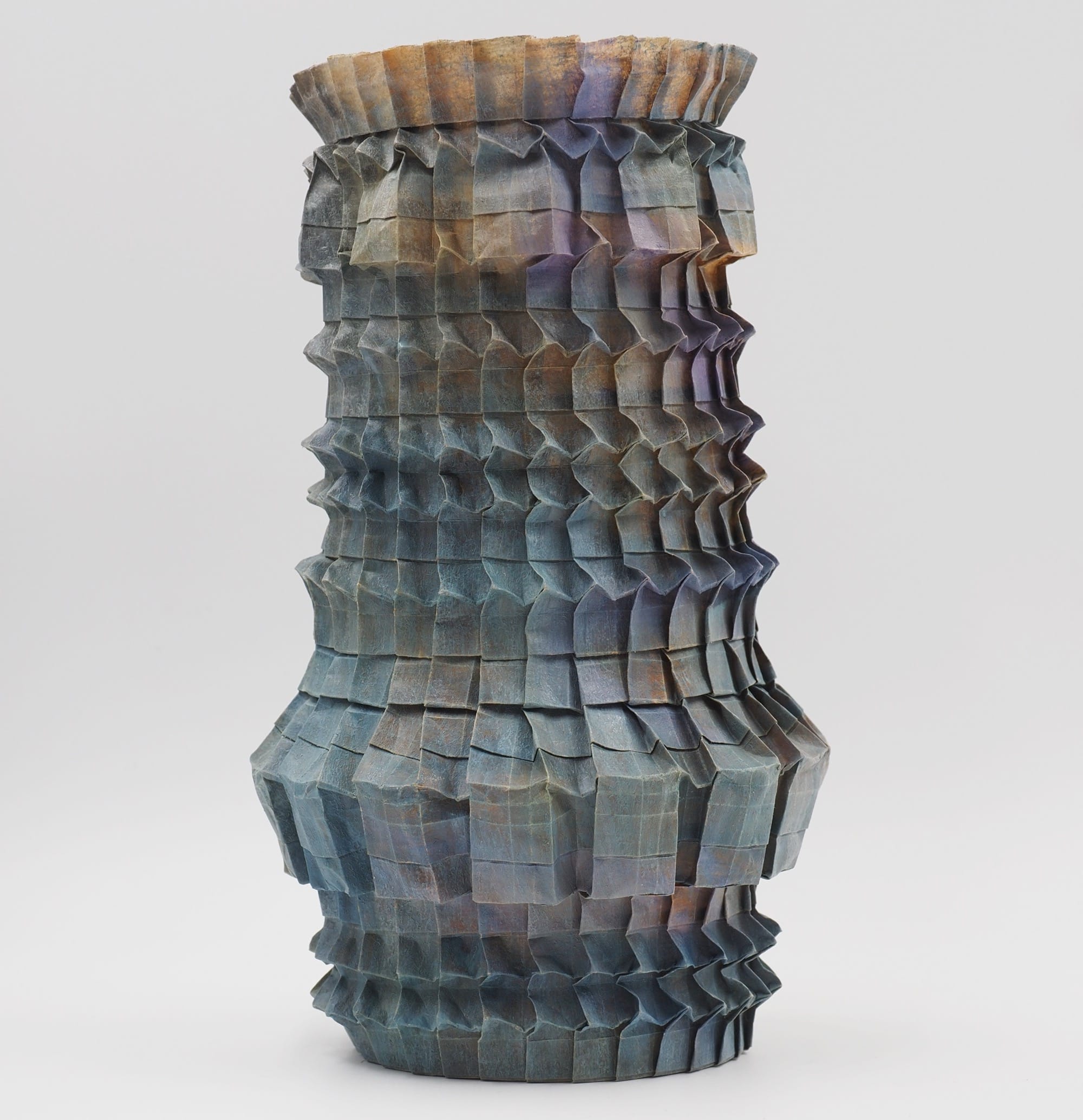
Artist Goran Konjevod creates elegant, functional vases using precise origami techniques, transforming thin paper into forms that mimic the visual weight and presence of porcelain. His works, such as "Grey Curves Vase" and "Artist's Palette Vase," explore the relationship between material, form, and function through organic shapes and nuanced color gradients.

In pictures: jewellery through history and cultures on show in Hong Kong

The Metropolitan Museum of Art's Costume Institute has sent approximately 200 pieces from its jewellery collection to Hong Kong for a major exhibition titled 'Jewels, Gems, and Treasures: Adornment in World Cultures'. The show, hosted at the Hong Kong Palace Museum, spans 5,000 years and includes items from ancient Egypt, Imperial China, Renaissance Europe, and modern designers, highlighting the universal human impulse for adornment.

Kengo Kuma: "The first time architecture moved me, it was a church"

Kengo Kuma : « La première fois qu’une architecture m’a ému, c’était celle d’une église »

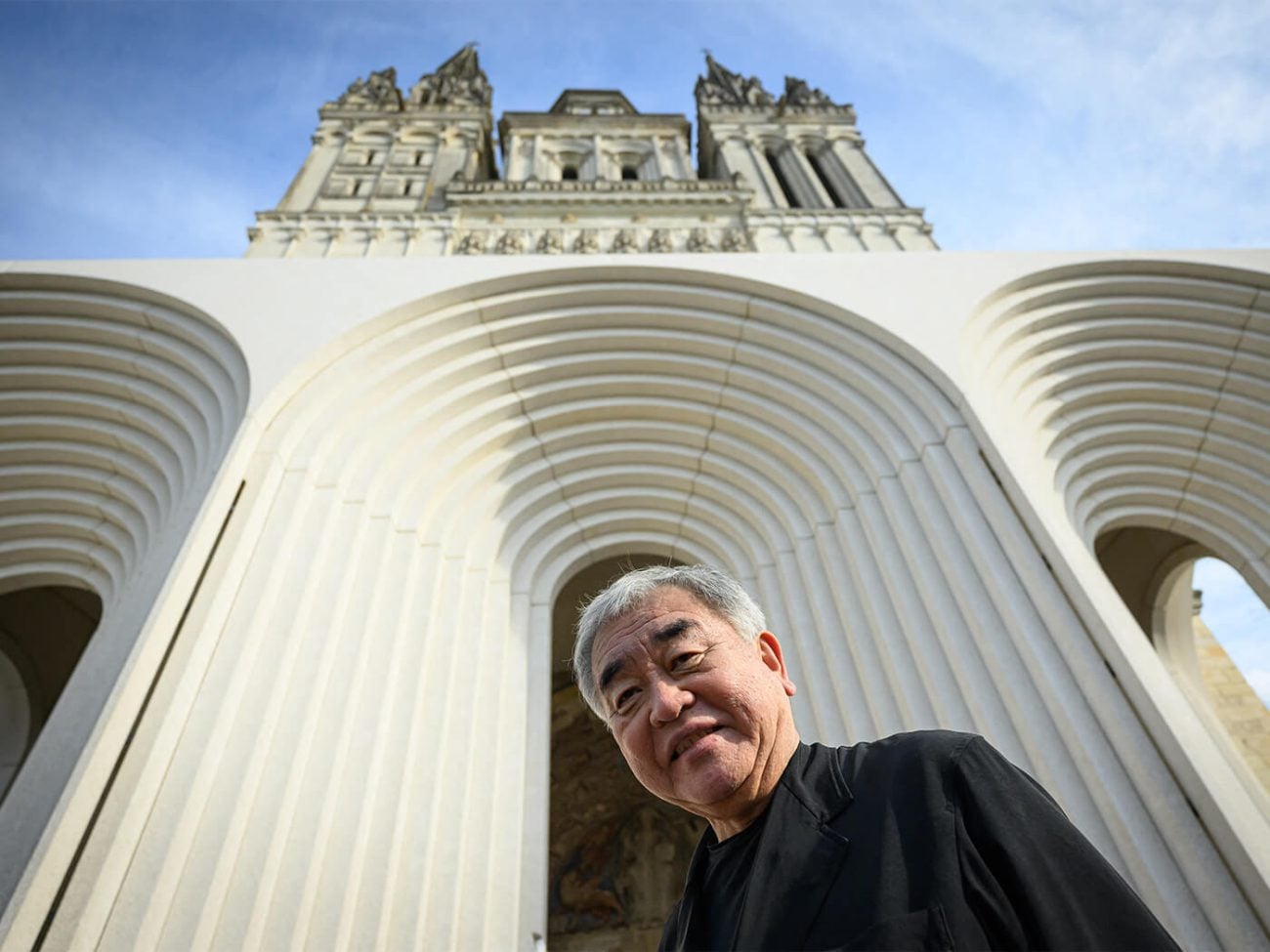
Renowned Japanese architect Kengo Kuma discusses his design philosophy and his recent intervention at the Angers Cathedral in France. He emphasizes a "dialogue with the place" over architectural ego, focusing on topography, local materials, and the Japanese concept of wabi-sabi, which finds beauty in the aging of materials over time. Kuma reflects on how his first emotional encounter with architecture occurred in a Christian chapel as a child, an experience that continues to inform his use of light and verticality.