
filter_list Showing 7 results for "museum experience" close Clear
dashboard All 7 rate_review review 2article culture 1article policy 1person people 1article news 1museum exhibitions 1
date_range Range Today This Week This Month All
Subscribe

The Big Review | Lacma's David Geffen Galleries ★★★★

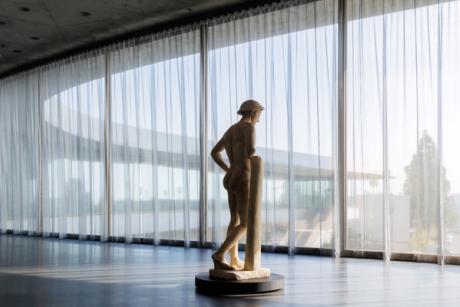
The Swiss architect Peter Zumthor's new $724 million building for the Los Angeles County Museum of Art (Lacma), now called the David Geffen Galleries, has opened after nearly two decades of anticipation. The swooping concrete-and-glass structure is praised for its harnessing of natural light and horizontality, creating a stunning showcase for antiquities and inviting the city inside with floor-to-ceiling windows offering views of the La Brea Tar Pits and Wilshire Boulevard. The building performs best with sculpture and decorative objects, with standout works including Liz Glynn's "The Futility of Conquest" (2023) and Manjunath Kamath's "Vikatonarva" (2024).
Review: Getting lost in the art is the best part of LACMA’s new revisionist fever dream of a museum

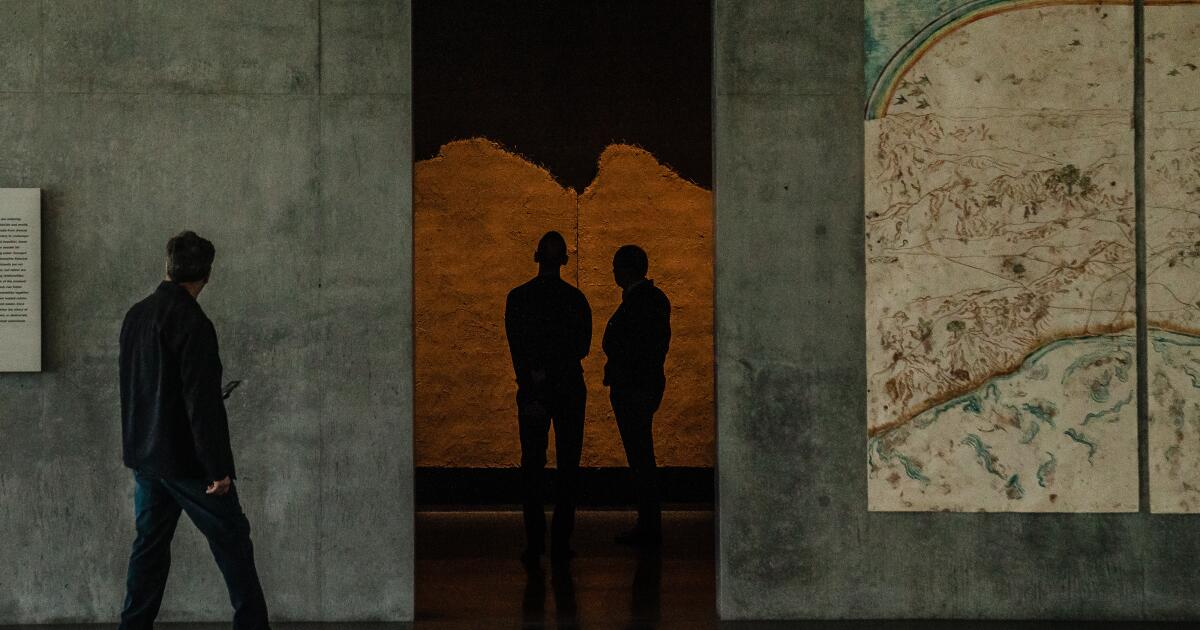
The Los Angeles County Museum of Art (LACMA) has opened its new David Geffen Galleries, a radical reinvention of the museum experience. The installation, conceived by director Michael Govan and architect Peter Zumthor, abandons traditional chronological and departmental silos, instead creating a continuous, curving flow of art from across time, place, and medium. Visitors are encouraged to wander and get lost, forging their own connections between works.

From sketching at MIA to leading its design, Bobby Rogers returns to shape museum experience

Bobby Rogers, a graduate of the Minneapolis College of Art and Design, has been appointed as the head of design and editorial at the Minneapolis Institute of Art (MIA). In this role, he oversees the museum's visual identity, exhibition design, and marketing, aiming to make MIA a more engaging and innovative space for visitors. Rogers previously worked as head photographer at the Walker Art Center and as a senior art director at Target.

New exhibit at Museum of Contemporary Art explores reggaetón and dancehall as forms of protest

The Museum of Contemporary Art has opened a new exhibition titled 'Dancing the Revolution: From Dancehall to Reggaetón.' The show features works by 42 contemporary artists, including paintings, sound sculptures, and interactive installations like a karaoke machine, examining the social, political, and spiritual histories of these musical genres. It was inspired by the 2019 protests in Puerto Rico, where reggaetón music and dance became a central form of protest and celebration.

Alma Allen’s US Pavilion Heads to Venice Amid Questions Over Selection Process

The selection of Alma Allen to represent the United States at the 2026 Venice Biennale has ignited controversy over the process. The U.S. State Department abandoned its traditional selection model, which involved a panel of experts convened by the National Endowment for the Arts, and instead handed control to a new nonprofit, the American Arts Conservancy, led by individuals with little museum experience. This shift has drawn criticism from prominent figures in the art world, with some artists declining to participate due to concerns over the political context and unfamiliar leadership.

26 Best Museums in the U.S. for Art, Culture, and Unique Experiences

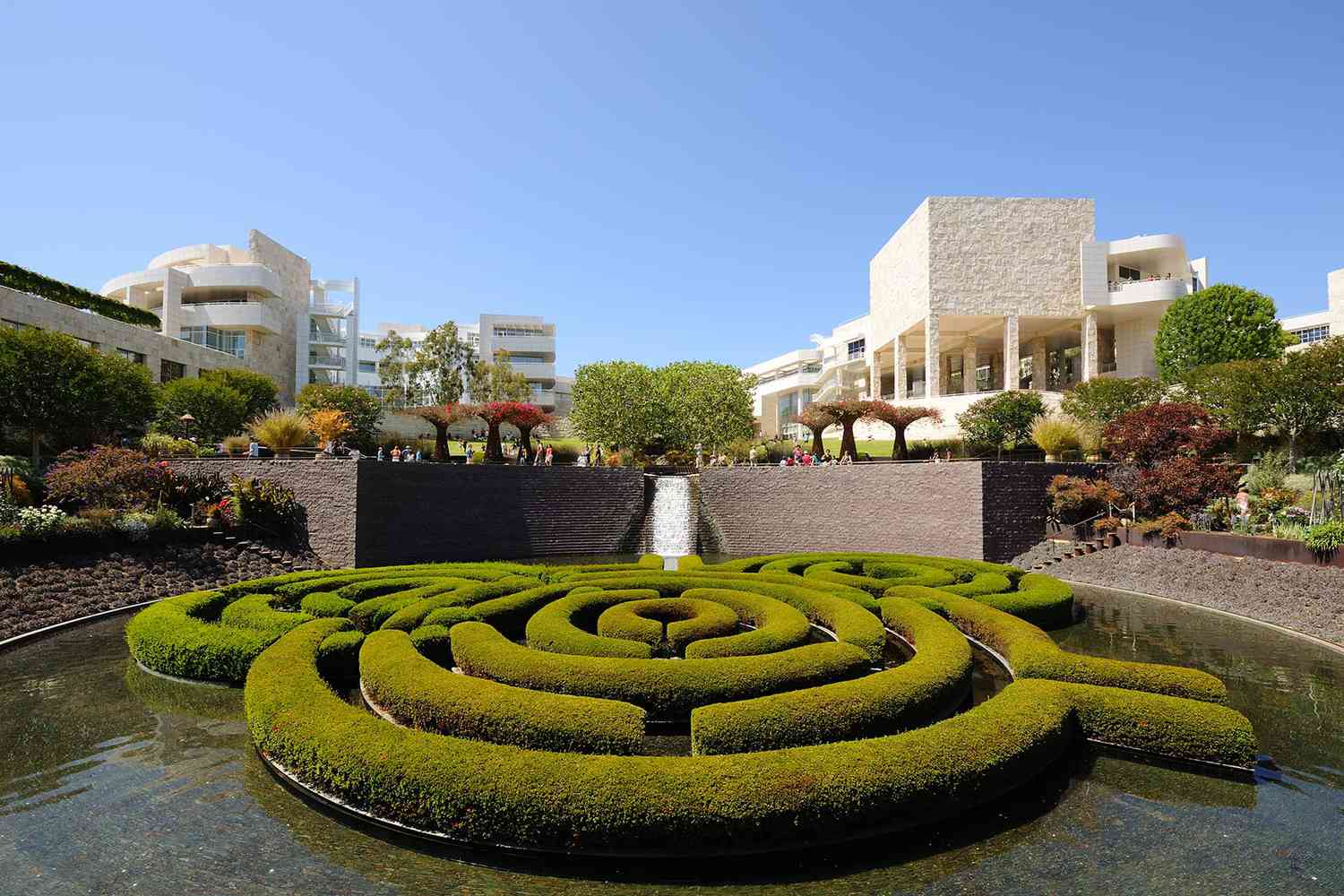
This travel guide highlights 26 of the most significant museums across the United States, ranging from massive encyclopedic institutions to niche cultural centers. The list features major art landmarks like the Metropolitan Museum of Art and the Getty Center alongside specialized venues such as the Smithsonian National Museum of Natural History and the immersive art experience Meow Wolf.

Do you hate art museums? Why (and how) to take a 2nd look

Do you hate art museums? Why (and how) to take a 2nd look

The traditional art museum experience often leads to exhaustion and a sense of alienation due to the overwhelming abundance of artworks and the pressure to see everything quickly. This phenomenon, which affects even visitors to world-class institutions like the Vatican or the Uffizi, stems from a 'problem of abundance' rather than a lack of appreciation for the art itself. The author suggests that smaller, more intimate spaces and a slower approach to viewing would make art more accessible and less intimidating for the general public.