
filter_list Showing 5 results for "nea funding" close Clear
dashboard All 5 article policy 4article news 1
date_range Range Today This Week This Month All
Subscribe

nea funding cuts 2640963

President Donald Trump has proposed eliminating the National Endowment for the Arts (NEA), and arts organizations across the U.S. are already feeling the impact. After a White House budget request in May that excluded the NEA, dozens of institutions received abrupt termination notices for their grant applications, with the NEA citing a shift in policy priorities to focus on projects reflecting the nation's artistic heritage as prioritized by the President. In protest, many senior NEA staff resigned or were asked to retire, leaving the agency in disarray. The cuts are part of broader federal efforts to defund cultural agencies, including the Kennedy Center, the Smithsonian, and the National Endowment for the Humanities, which has seen a 70-80 percent staff reduction and canceled over a thousand grants. Private foundations like the Mellon Foundation and the Helen Frankenthaler and Andy Warhol Foundations have launched emergency funding programs, but the consequences for artists, educators, and community organizations are immediate and destabilizing.

frankenthaler warhol foundations fund projects nea cuts 2640695

The Helen Frankenthaler Foundation and the Andy Warhol Foundation are jointly providing $800,000 in emergency grants to replace funding lost when the Trump administration abruptly cut the National Endowment for the Arts' Challenge America grants in February 2025. The grants, each worth $10,000, will support 80 small and medium-sized visual arts programs across the country that had been promised NEA funding for underserved communities, including the Kids & Art Foundation, Allentown Art Museum, Free Arts for Abused Children, InToto Creative Arts Forum, and Latinitas.

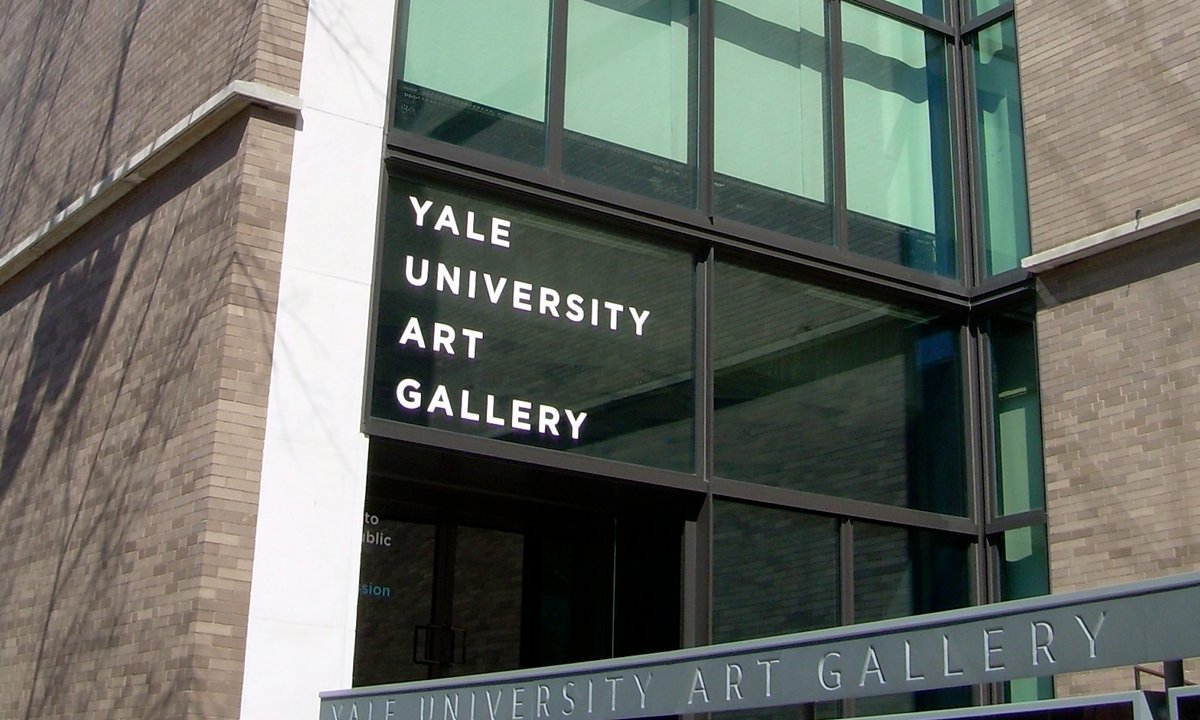
Yale University Art Gallery withdraws federal funding applications over anti-diversity regulations

The Yale University Art Gallery has withdrawn two federal grant applications submitted to the National Endowment for the Arts (NEA) and the National Endowment for the Humanities (NEH) for an upcoming exhibition on African art exploring the migration of Nguni peoples, scheduled for 2026. The gallery objected to new anti-DEI (Diversity, Equity, and Inclusion) restrictions imposed by the Trump administration, which require that funded projects do not promote certain ideologies based on race or gender. The gallery will instead use Yale University's $46 billion endowment to cover the $200,000 exhibition costs. This follows a previous instance where the gallery opted out of NEA funding, and a separate $30,000 NEA grant for the exhibition "Nusantara: Six Centuries of Indonesian Textile" was rescinded, though that show will proceed with support from the Robert Lehman Endowment Fund.

video data bank downsizing school art institute chicago 1234761928

The School of the Art Institute of Chicago (SAIC) laid off three of five staff members at the Video Data Bank (VDB), a renowned video art distribution organization, on November 12. Former director Tom Colley announced the dismissals of digital collection manager Elise Schierbeek and distribution assistant Nicky Ni, and stated that acquisitions and programming would cease. SAIC cited financial pressures from federal policy changes and enrollment declines, insisting the VDB is not closing but needs adjusted staffing to protect its teaching mission. The VDB, founded in 1976 and approaching its 50th anniversary, holds works by major artists including Nam June Paik, Pipilotti Rist, and Bruce Nauman, and has historically received NEA funding.

federal court rules gender ideology ban on art endowments unconstitutional 1234753210

A Rhode Island federal court ruled on Friday that National Endowment for the Arts (NEA) grants do not have to comply with President Trump’s executive order banning “gender ideology.” The order, introduced in February, prohibited federal funds from being used to promote the idea that males can identify as women and vice versa, and was applied to the NEA grant application process. The ACLU’s Rhode Island branch filed a lawsuit in March on behalf of several theaters, arguing the policy violated First Amendment rights by restricting the types of works that could receive funding. Judge William E. Smith, appointed by former President George W. Bush, found the policy unconstitutional, noting that the 1965 law establishing the NEA requires grants to be awarded solely on merit. A subsequent “final notice” allowing the NEA chair to review applications on a case-by-case basis was also struck down as a viewpoint-based restriction on artists’ speech.