filter_list Showing 6 results for "nordic pavilion" close Clear
search
dashboard All 6 museum exhibitions 5article news 1
date_range Range Today This Week This Month All
Subscribe

Stockholm's Market Art Fair is a new model art fair from which to learn something

La Market Art Fair di Stoccolma è un nuovo modello di fiera d’arte da cui imparare qualcosa

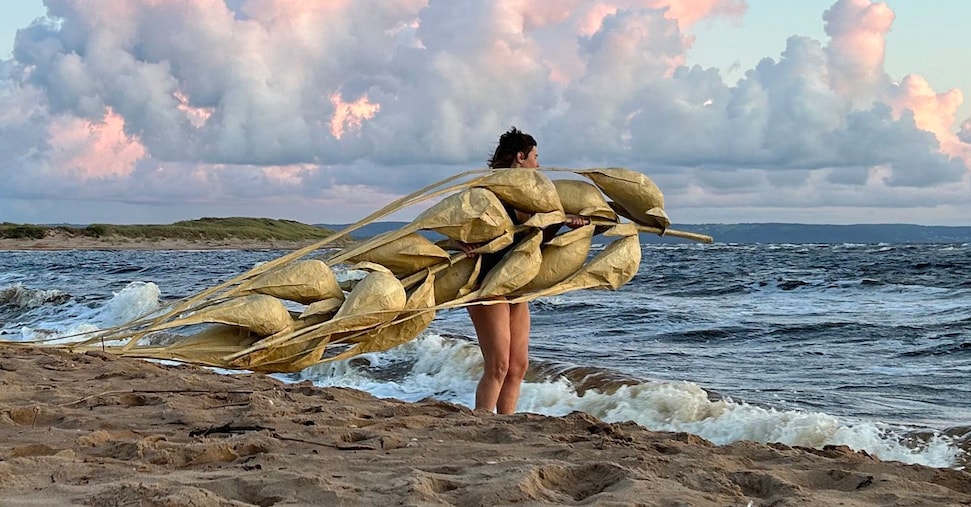
The Market Art Fair in Stockholm, founded in 2006 by galleries from Denmark, Sweden, Norway, and Finland, held its 20th edition from April 23-26, 2026, at Magasin 9 during Stockholm Art Week. The fair features 54 exhibitors from 8 countries and 150 artists, with 80% of works tied to the Nordic context and 20% international. Highlights include a solo presentation by Olafur Eliasson at i8 Gallery (Reykjavík) featuring his sculpture *Rare metallic plant* (2026), and a preview of the Nordic Pavilion at the Venice Biennale by artist Benjamin Orlow at Season 4 Episode 6 gallery. The fair has recently opened its selection to international galleries, a shift welcomed by collectors.
A Time of Transition

During the preview week of the 61st Venice Biennale, escalating protests targeted the national pavilions of Israel and Russia, with demonstrations by Pussy Riot, ANGA (Art Not Genocide Alliance), and Baltic pavilions. A major protest on May 8 drew over 3,000 people in solidarity with Palestine, and 27 national pavilions—including Austria, the Netherlands, France, and Japan—staged a strike, the first at the Biennale since 1968. The Golden Lion jury resigned after declaring they would not consider countries under ICC investigation (Israel and Russia), and the Biennale administration replaced the prize with a visitors' award, from which half the artists in the main exhibition have withdrawn.

Venice’s Chicest Invite This Week? A Pizza Party Where the Artists Chose the Ingredients

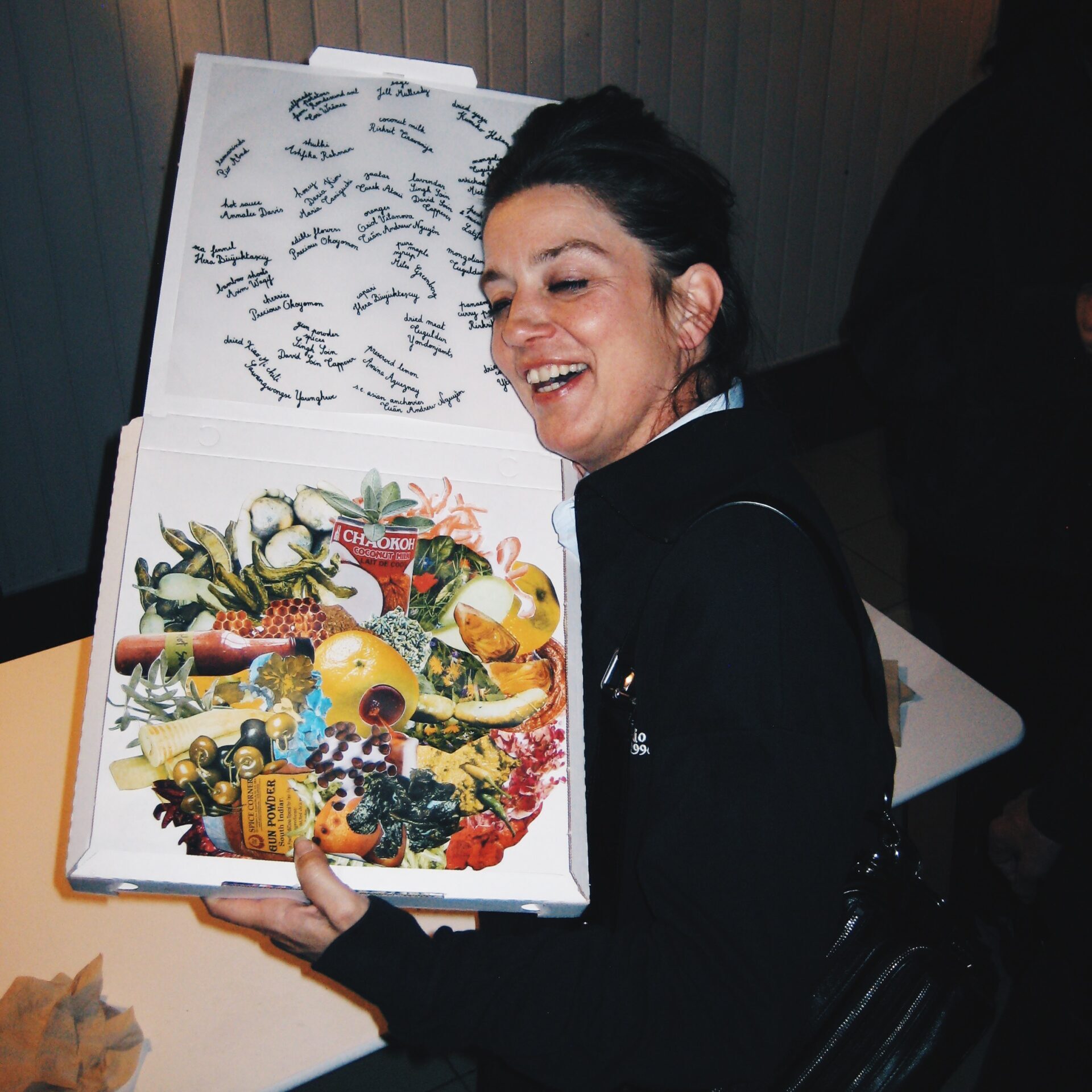
Diana Campbell, Chomwan Weeraworawit, and Paris-based art advisors Samy Ghiyati and Nicolas Nahab of NG Partners organized a pizza party called Pizzalo Mundo during the Venice Biennale. Each artist contributed an ingredient from home: Rirkrit Tiravanija brought a Penang coconut base, Precious Okoyomon added flowers, Daria Kim wild honey, Tarek Atoui za'atar on hummus, Miet Warlop artichoke hearts, Tori Wrånes self-grown potatoes, and Alexa Kumiko Hatanaka fig leaf oil with yuzu salt. The event drew a crowd of curators, directors, and collectors from institutions including Tate, Musée d'Orsay, Guggenheim Abu Dhabi, MoMA, and Centre Pompidou.

Jenna Sutela on Representing Finland at the 61st Venice Biennale

Jenna Sutela, representing Finland at the 61st Venice Biennale, will present an exhibition titled *Aeolian Suite* in the Giardini pavilion. The work features sound sculptures that engage with wind as both a physical and political force, using meteorological data, wind machines, recorders, a children's woodwind orchestra, and recordings of winds from Venice, Helsinki, and beyond. Sutela explores noise as a creative medium, drawing on the concept of deep listening inspired by artist Pauline Oliveros, and connects her project to the Biennale's theme, *In Minor Keys*, curated by Koyo Kouoh.

In Stockholm, the Tech scene supports art

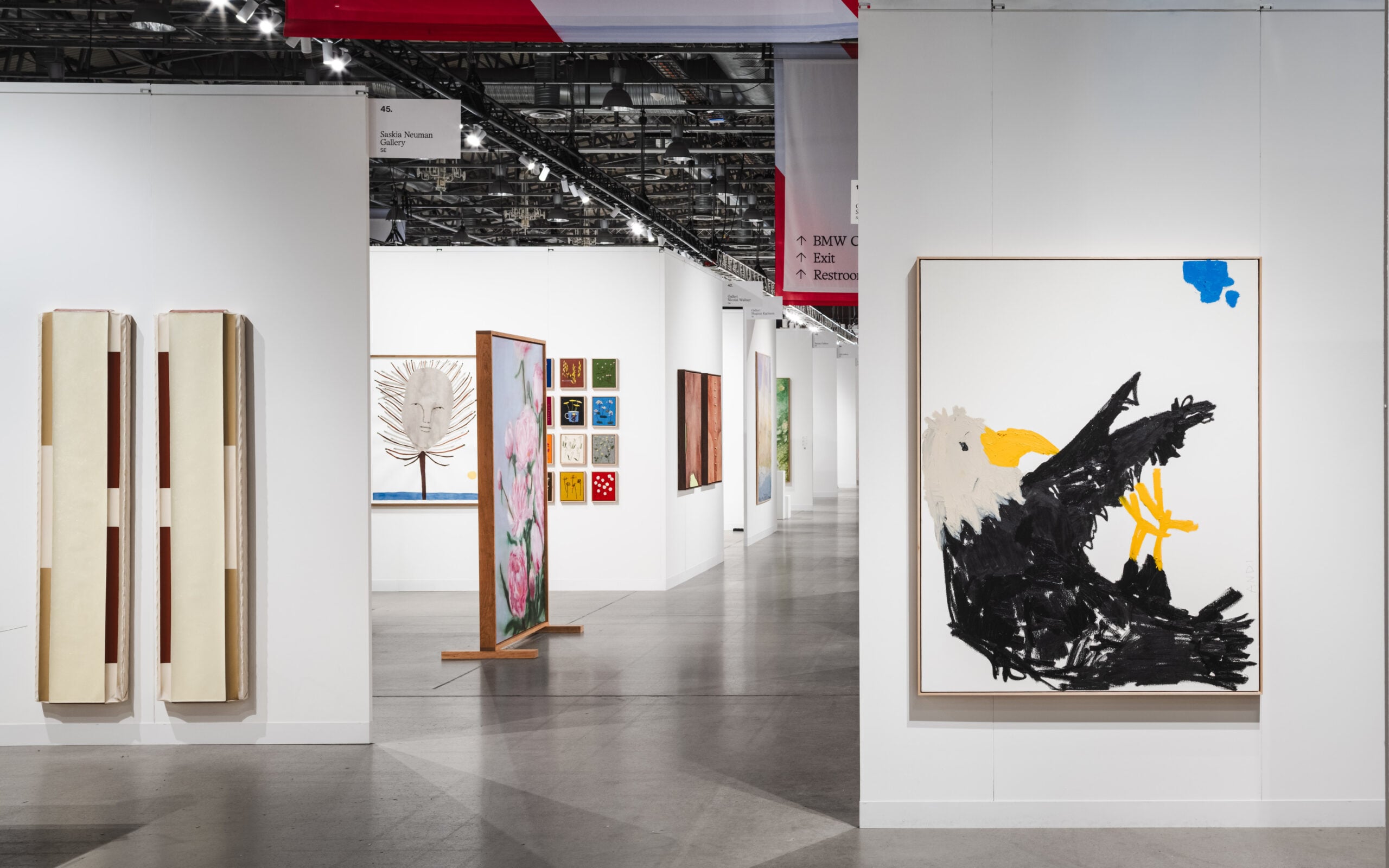
Stockholm's art fair, featuring 54 galleries and around 150 artists, offers a democratic layout with no sections, placing established and emerging galleries side by side. Prices range from €300 to €300,000, with most works under €50,000. Notable presentations include Olafur Eliasson's new works at i8 gallery, Benjamin Orlow's sculpture destined for the Venice Biennale's Nordic Pavilion, and emerging galleries like Coulisse Gallery showing Jonatan Pihlgren. The fair reflects a strong local collector base, though some galleries note a recent market contraction.

Venice Biennale performances confront war and climate fears

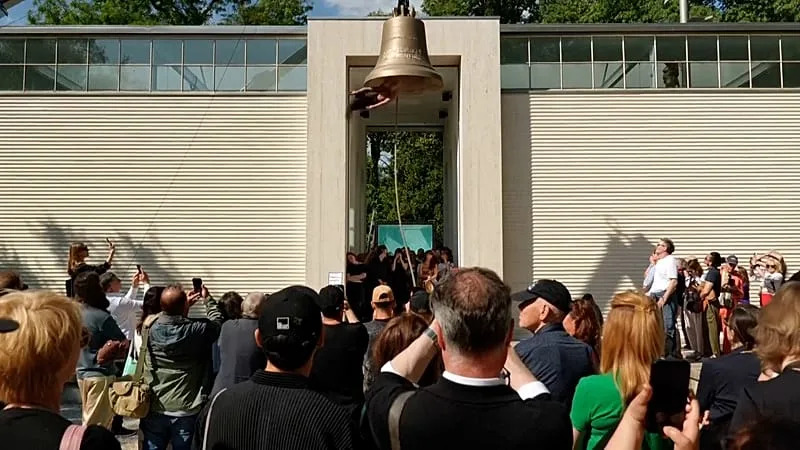
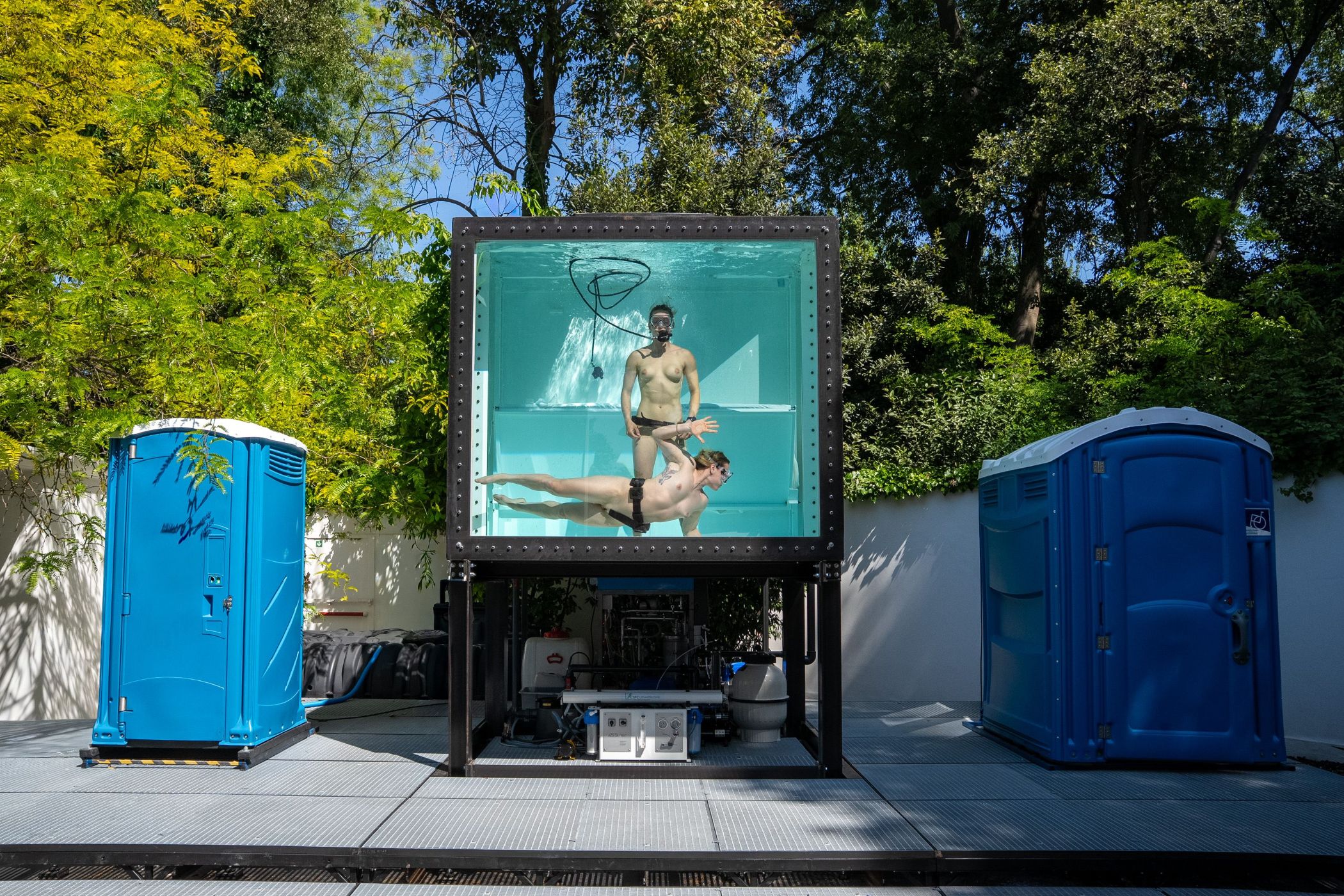
At the 2026 Venice Biennale, visitors encountered provocative performances and installations addressing war, climate anxiety, and human coexistence. Highlights include a naked performer acting as a human bell clapper in Florentina Holzinger's "Seaworld Venice" at the Austrian Pavilion, lifelike baby dolls in Ei Arakawa-Nash's caregiving-focused work at the Japanese Pavilion, and drone-powered flying carpets in Moldova's pavilion that transform symbols of war into tools of peace. The Nordic Pavilion also presented surreal installations exploring coexistence and environmental fears.