
filter_list Showing 3 results for "occult art" close Clear
dashboard All 3 museum exhibitions 3
date_range Range Today This Week This Month All
Subscribe

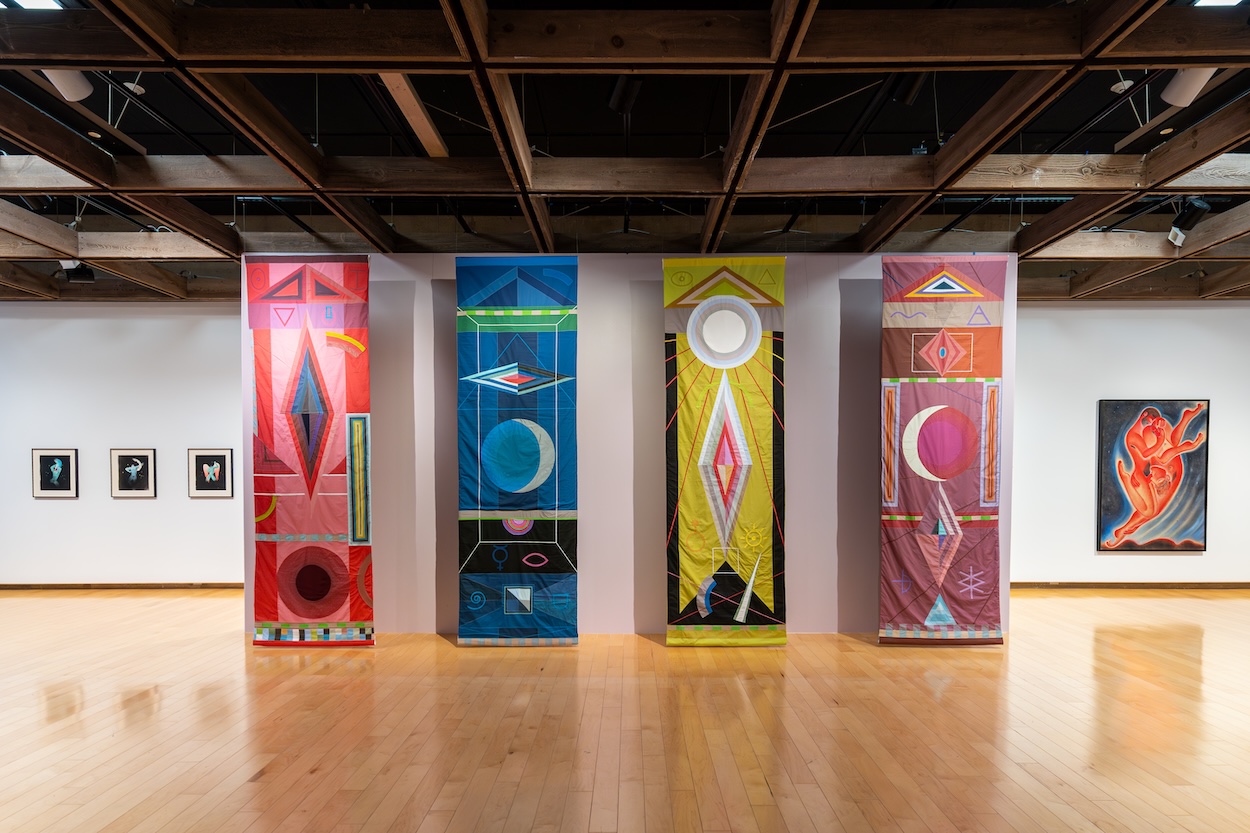
A Century of Esoteric and Occult Artistry in “A Queer Arcana” at Palm Springs Art Museum

The Palm Springs Art Museum has unveiled "A Queer Arcana," an ambitious exhibition exploring the intersection of LGBTQ+ culture, occultism, and esoteric spirituality. Spanning the 20th and 21st centuries, the show features a diverse array of media—including a major four-banner commission by the collective Hilma’s Ghost—and is organized into thematic sections such as Tarot, Sex Magick, and healing. The project emerged from the museum’s Q+Art initiative, a unique program dedicated to queer art histories within a general art museum context.
LGBTQ folks have always engaged with magic, spirituality. Here's why

The Palm Springs Art Museum is launching "A Queer Arcana: Art, Magic, and Spirit," an ambitious exhibition exploring the intersection of LGBTQ+ identities and spiritual practices. Spanning over a century of creative production from 1906 to 2026, the show features 35 artists who have utilized occultism, tarot, and magical traditions to navigate societal oppression and foster community. The collection includes a diverse array of media, ranging from historical occult drawings by Austin Osman Spare to contemporary paintings by Devan Shimoyama and feminist tarot decks.

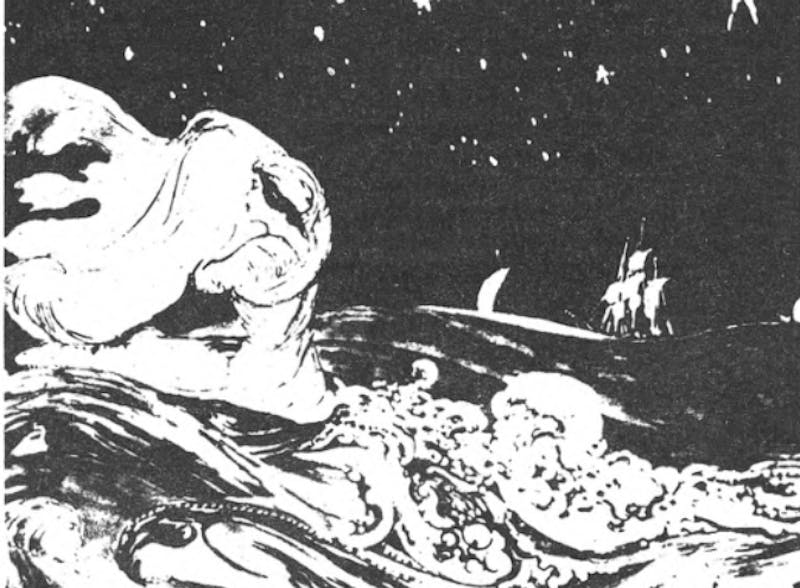
This Week in History: 50 years back at the Art Museum: Pamela Smith’s occult art unveiled

A 1975 exhibition at the old Princeton University Art Museum, titled “To All Believers: The Art of Pamela Smith,” brought British occult artist Pamela Colman Smith out of obscurity. Smith, best known for illustrating the Rider-Waite-Smith tarot deck in 1909, had largely disappeared from public view after 1920 and died in 1951. The show was curated by Melinda Boyd Parsons, a student of art historian William Innes Homer, and brought to Princeton by museum director Peter Bunnell. The exhibition was covered by student journalist Laurie Kahn, who noted its significance as both occult art and work by a female artist.