
filter_list Showing 3 results for "palace museum beijing" close Clear
search
dashboard All 3 museum exhibitions 3
date_range Range Today This Week This Month All
Subscribe

Blooming: The Art of Gardens in East and West | Hong Kong Museum of Art | Art in Hong Kong

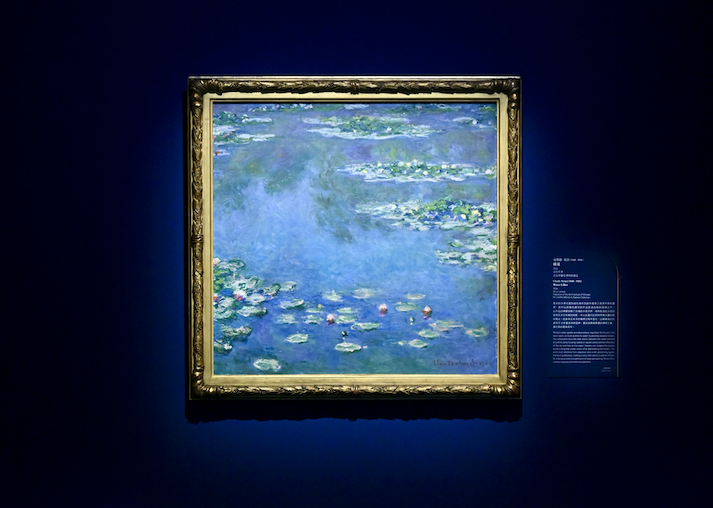
The Hong Kong Museum of Art has opened 'Blooming: The Art of Gardens in East and West,' a major exhibition featuring over 100 rare artifacts and paintings from the Palace Museum in Beijing, the Art Institute of Chicago, and the Palace of Versailles. Highlights include Claude Monet's 'Water Lilies' (1906) and 'Water Lily Pond' (1900) on loan from Chicago, alongside works by Chinese masters Zhang Daqian and Wen Zhengming, plus an immersive digital recreation of the Orchid Pavilion Gathering.
Two Monet paintings have arrived in Hong Kong and entry is completely free

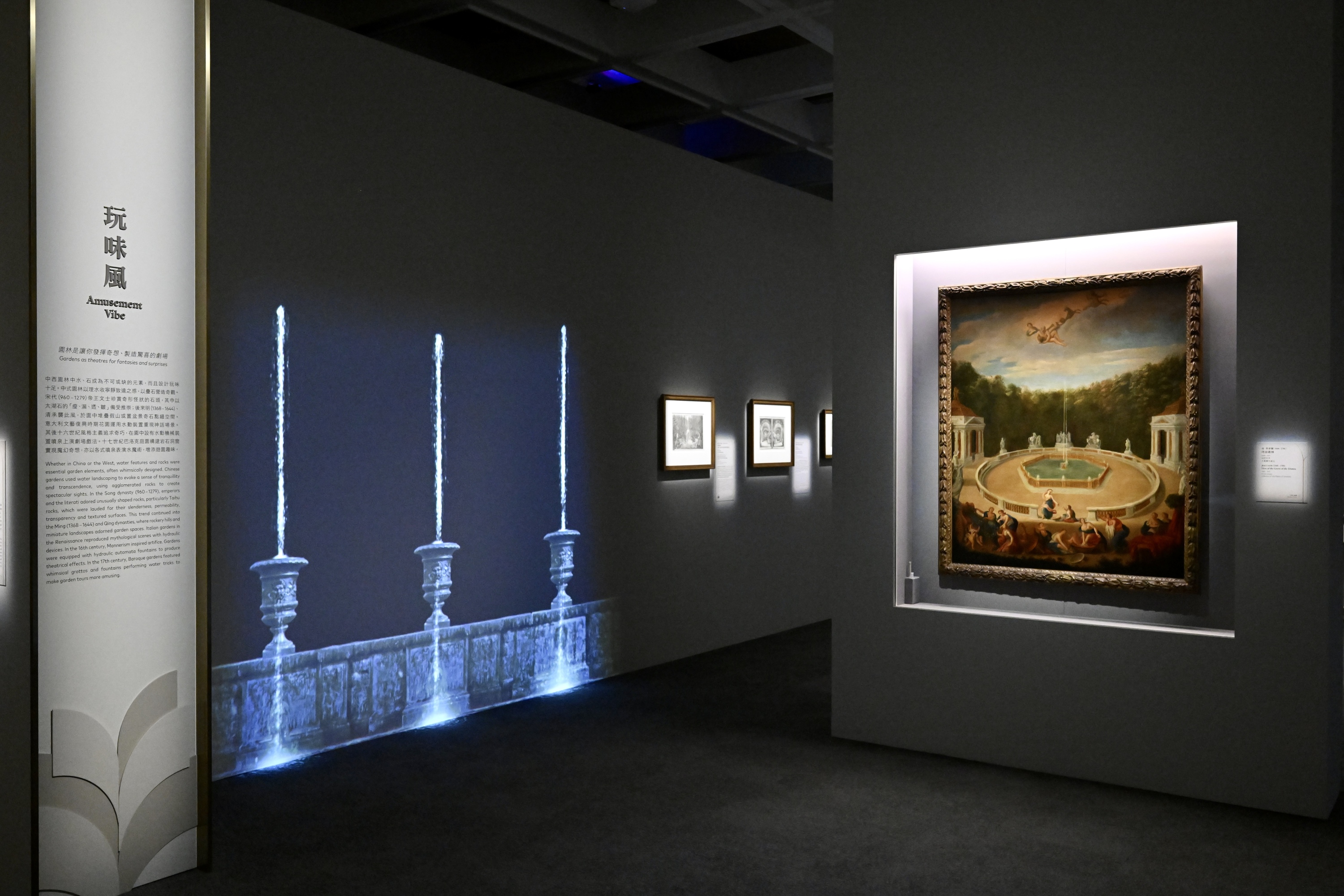
The Hong Kong Museum of Art (HKMoA) has opened a new free exhibition titled 'Blooming: The Art of Gardens in East and West', featuring over 100 paintings and artefacts. A major collaboration between the Palace Museum in Beijing, the Art Institute of Chicago, and the Palace of Versailles, the show includes masterpieces by Claude Monet—specifically 'Water Lilies' (1906) and 'Water Lily Pond' (1900)—on loan from Chicago, alongside works by Chinese artists such as Leng Mei, Wen Zhengming, and Zhang Daqian. The exhibition explores garden imagery across cultures, from the royal grounds of King Louis XIV to the imperial retreats of Emperor Qianlong, and runs until July 29, 2026, with free admission.

From silk murals to jade inlays: Forbidden City’s Qianlong Garden reopens after 25-year conservation project

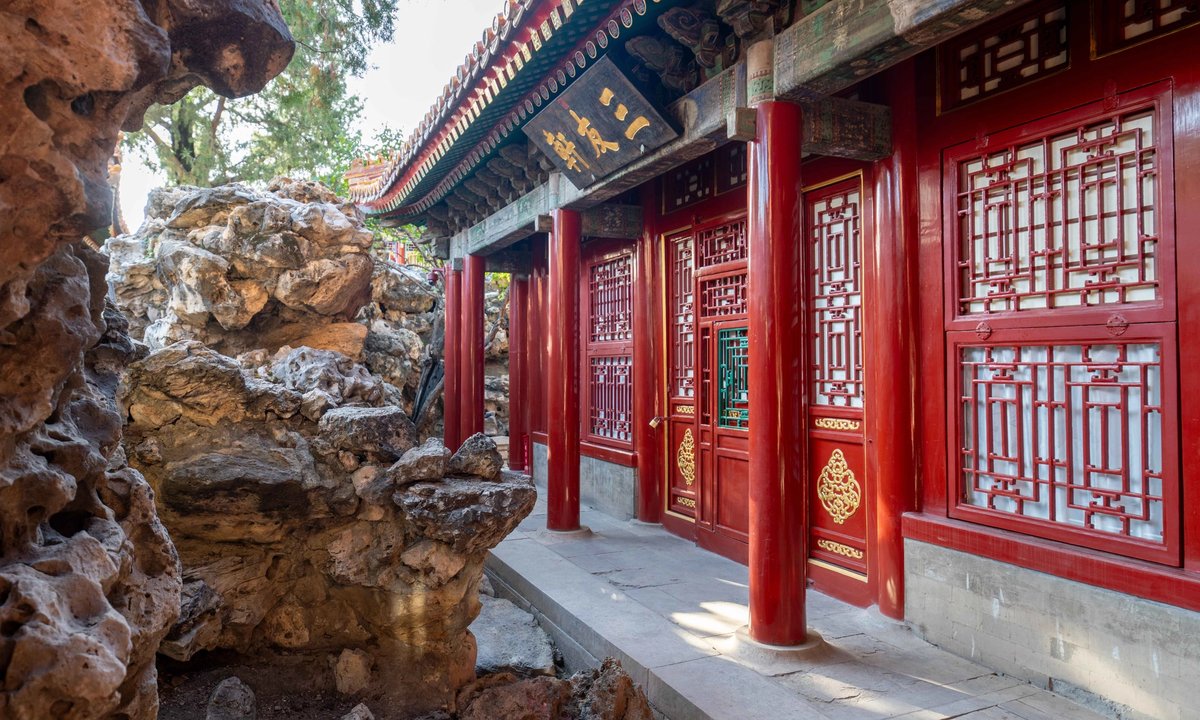
The Qianlong Garden in Beijing's Palace Museum (Forbidden City) has reopened to the public after a 25-year, $20 million conservation project in partnership with the World Monuments Fund (WMF). The 1.6-hectare garden, built between 1771 and 1776, features 27 buildings with elaborate decorations including rare silk trompe l'oeil murals, jade inlays, and bamboo thread marquetry. The restoration began with the Juanqinzhai pavilion in 2002 and was completed in 2008, followed by work on three other structures. The project also involved recreating traditional materials and techniques that had fallen out of practice.