
filter_list Showing 3 results for "peregrine tyam" close Clear
search
dashboard All 3 article news 3
date_range Range Today This Week This Month All
Subscribe

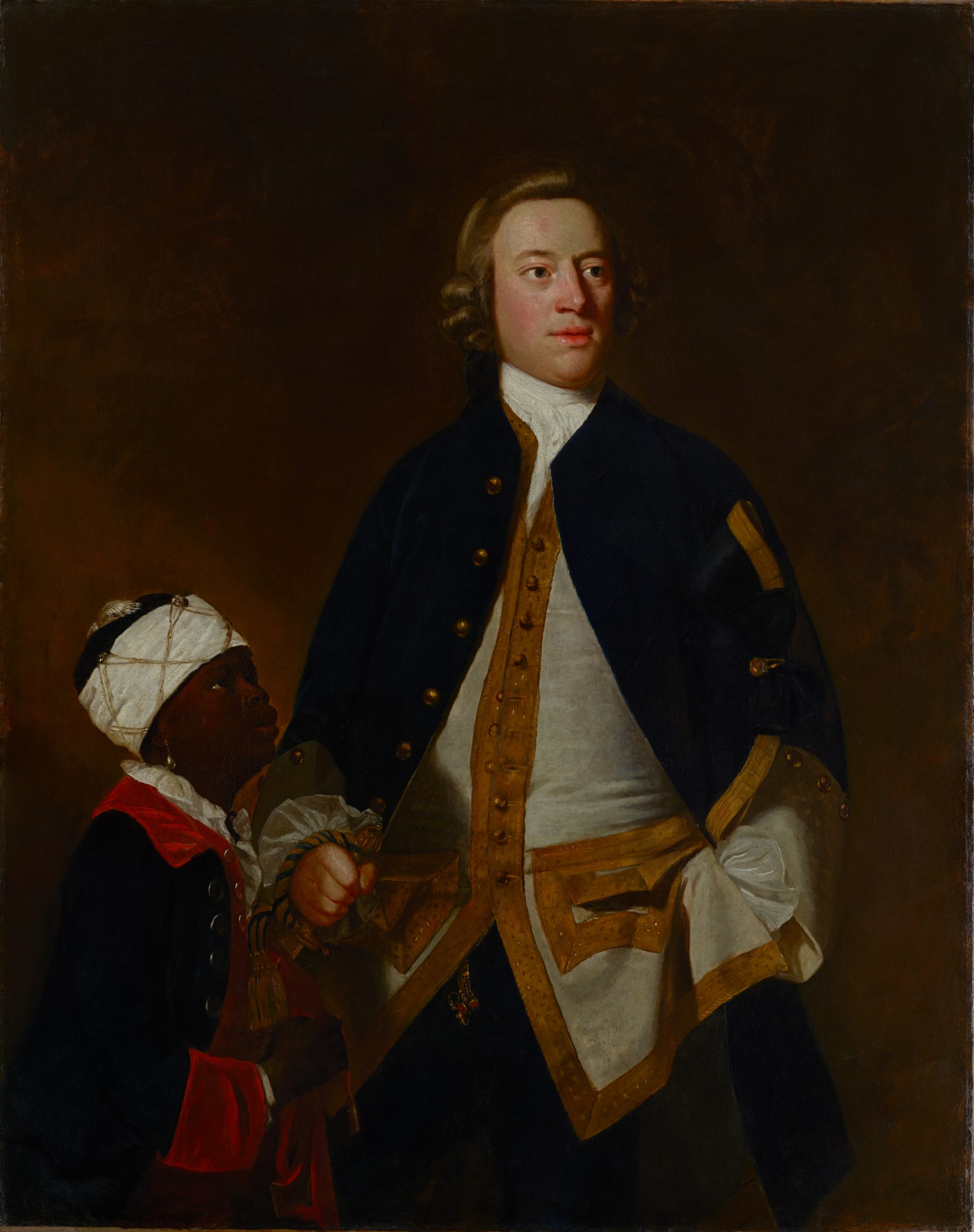
Researchers Identify Enslaved Boy in Joshua Reynolds Painting

Researchers in the U.K. have identified the enslaved boy depicted in Joshua Reynolds's 1748 painting of Royal Navy lieutenant Paul Henry Ourry. For centuries known only as "Jersey," the boy has been identified as George Walker, also called Boston Jersey, through baptismal and admiralty records. Walker was baptized at age 15 in Westminster in 1752, served on HMS Monmouth and HMS Deptford, and was discharged in 1753, after which his fate remains unknown. The research, a collaboration between the National Trust, the National Gallery in London, and Royal Museums Greenwich, also used scientific analysis to reveal Reynolds's original compositional intentions.

black portraiture peregrine tyam letter

A 17th-century British portrait at Claydon House, a National Trust property, depicts Mary Lawley and Peregrine Tyam, a Black enslaved attendant whose identity is known—one of the earliest such examples. Historian Hannah Lee published research in British Art Studies revealing new details about Tyam, including a rediscovered letter he wrote in 1699 to his enslaver John Verney, offering rare firsthand insight into the lives of enslaved people in aristocratic households. The portrait, attributed to the little-known artist Lenthall, was commissioned by Verney to mark his marriage in 1692 and shows Tyam wearing a silver collar, a symbol of enslavement.

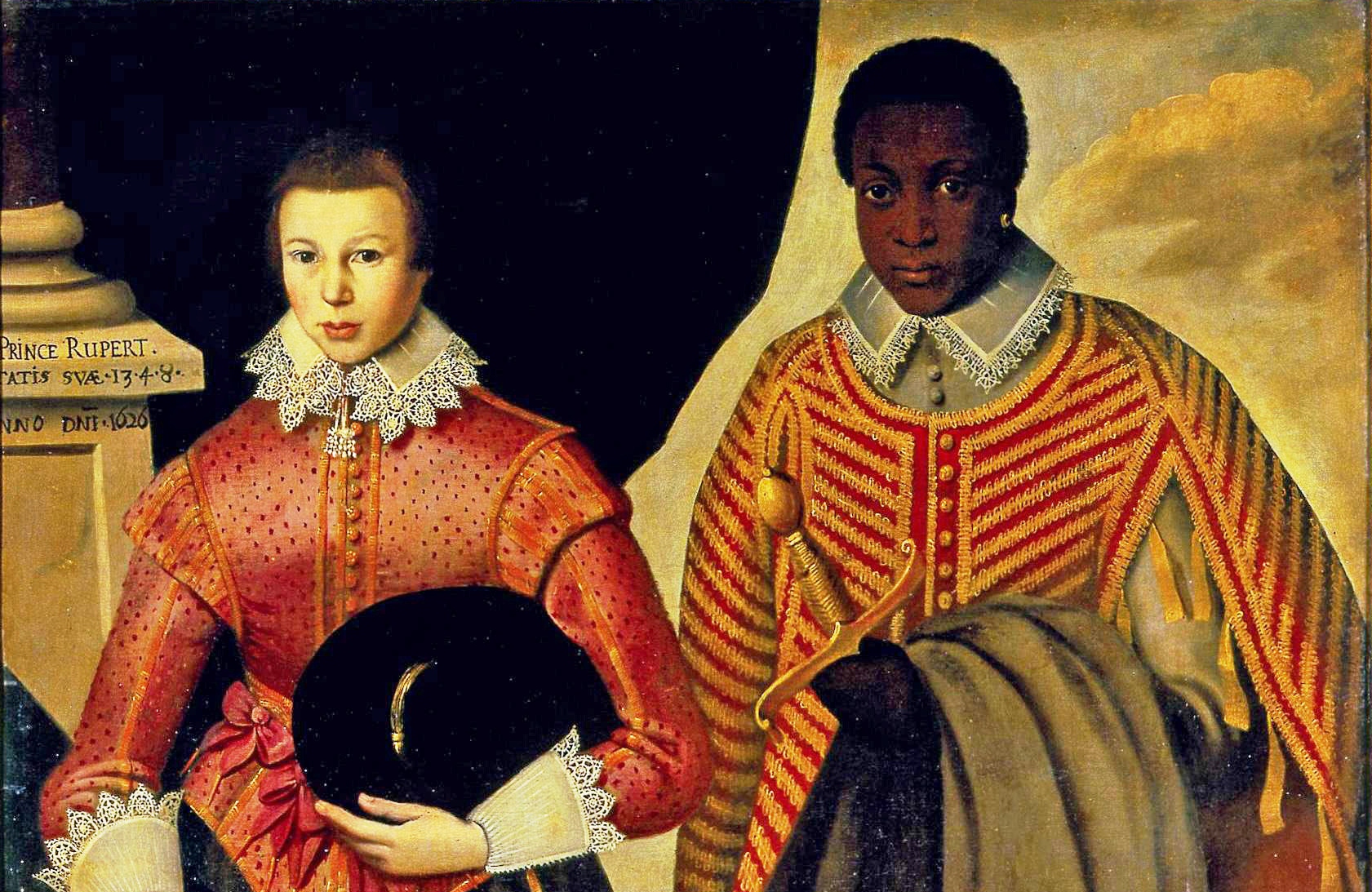
Mystery 17th-Century Portrait Sparks Search for Identity of Black Sitter

Researchers at the National Portrait Gallery in London have launched a landmark investigation into a rare 17th-century double portrait featuring a Black boy and a white boy standing side-by-side. The painting, which has hung at the historic Penshurst Place in Kent for centuries, is undergoing extensive restoration and technical analysis to identify the sitters. Experts are particularly struck by the composition, which depicts the Black figure at the same scale and status as the white figure, a significant departure from the era's typical portrayal of Black individuals as marginal attendants.