
filter_list Showing 3 results for "picasso etching" close Clear
dashboard All 3 article culture 1person people 1trending_up market 1
date_range Range Today This Week This Month All
Subscribe

art collecting debraj ray professor economics

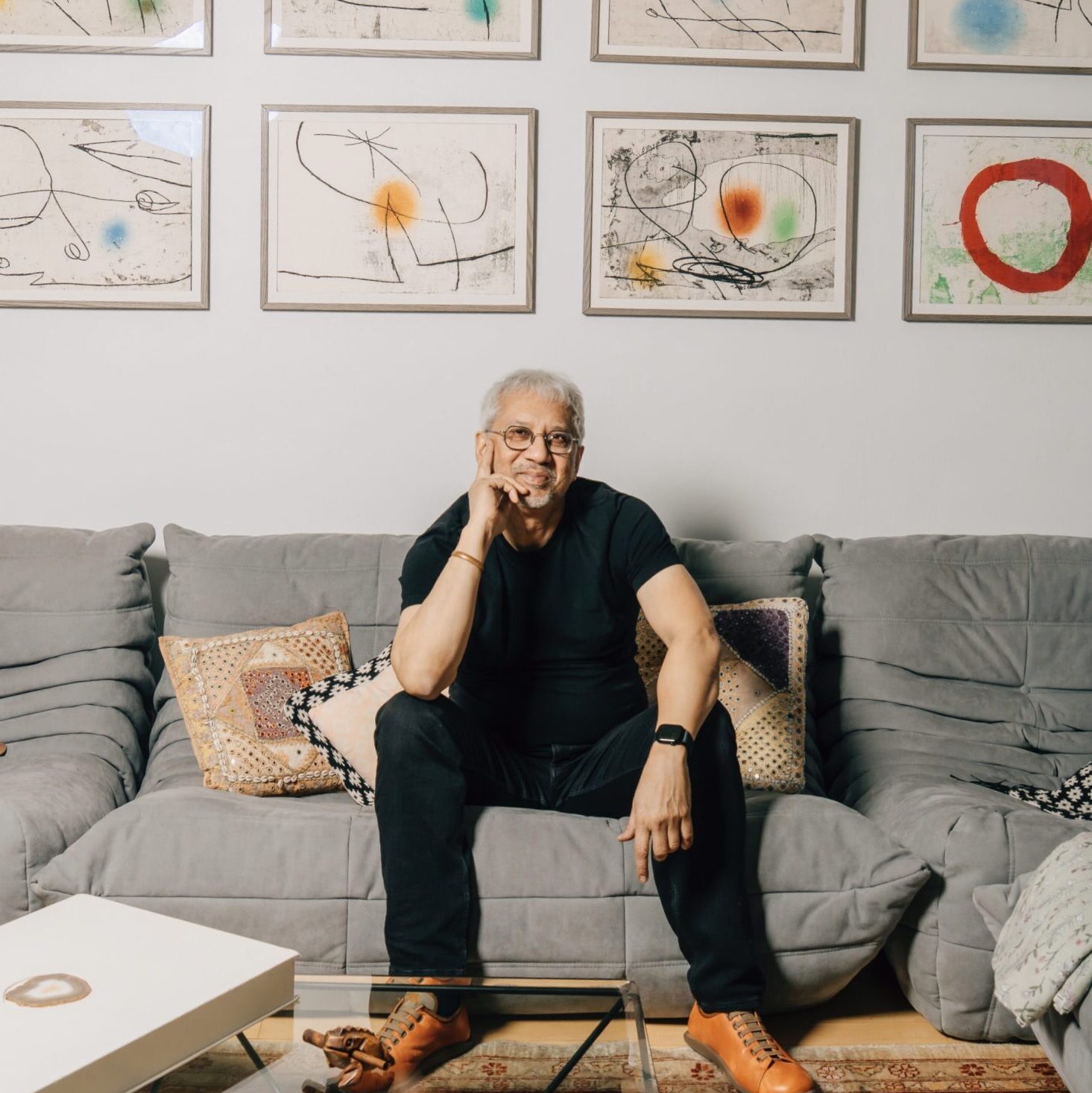
Economic theorist and NYU economics professor Debraj Ray discusses his art collection, which began with a Picasso etching purchased from a Berkeley gallerist after his daughter Zayira discovered the image online. His collection focuses on early- and mid-20th-century masters, including works by Joan Miró, Egon Schiele, and Henry Moore, with a preference for monochrome etchings and lithographs. Ray describes how his analytical mindset as an economic theorist connects to his approach to art, viewing aesthetics and mathematics as interconnected modes of thinking.
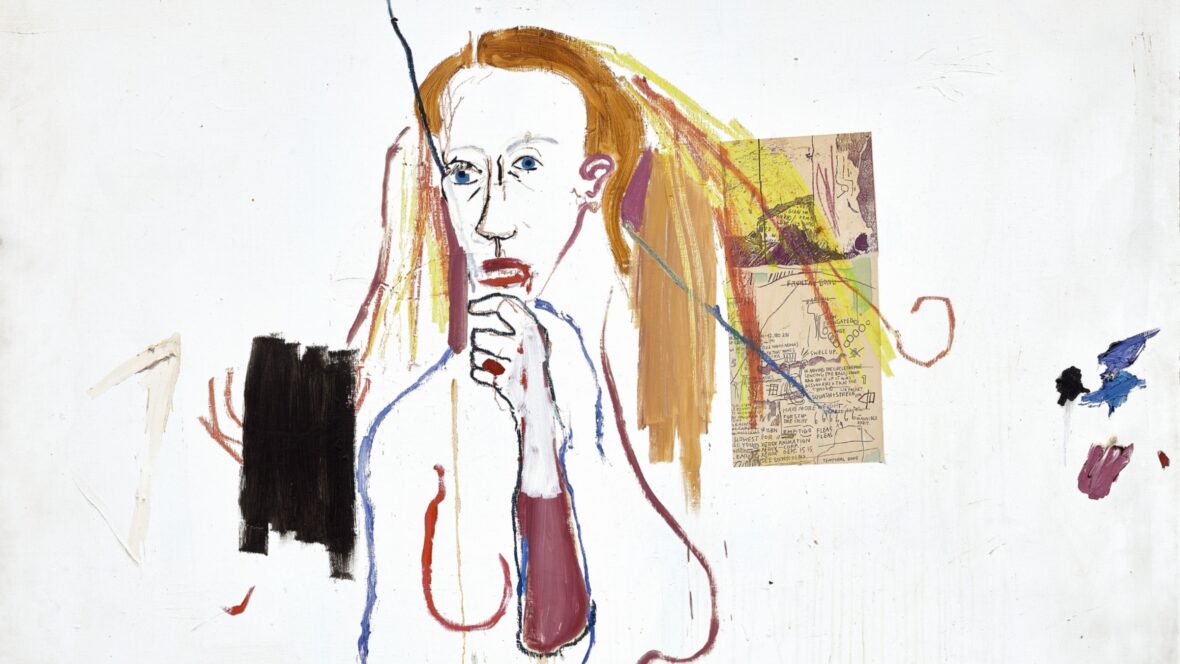

A Jean-Michel Basquiat Rarity And Banksy's Spray-Painted Flag Head To Frieze London 2025

Frieze London 2025 returns for its 23rd edition from October 15-19 in Regent's Park, featuring over 280 international galleries. Major auction houses are staging blockbuster sales during the week, including Sotheby's evening and day sales in partnership with Celine, Christie's 20th/21st Century Evening Sale and a trilogy of drawings from the Klaus Hegeswich collection, and Phillips' Modern & Contemporary sales. Highlights include a Jean-Michel Basquiat rarity, Banksy's spray-painted flag, a Francis Bacon portrait, a Picasso etching, and a Lucian Freud self-portrait estimated at up to $16 million.

art collector questionnaire negotiations acquisition

CULTURED magazine asked art collectors to share their strangest negotiation experiences with artists or dealers. Responses range from a late-night studio sale in a dark East Atlanta alleyway to accidentally bidding on a second impression of a Picasso etching at auction. Other tales include haggling over a borrowed frame after a Christie's purchase, a dealer insisting the artwork be displayed in a specific room, and acquiring a Rick Lowe painting sight unseen from Gagosian after seeing it at the Venice Biennale. The survey reveals the quirky, human side of art transactions often hidden behind market mythology.