filter_list Showing 6 results for "political resistance" close Clear
dashboard All 6 museum exhibitions 3article local 1person people 1article culture 1
date_range Range Today This Week This Month All
Subscribe

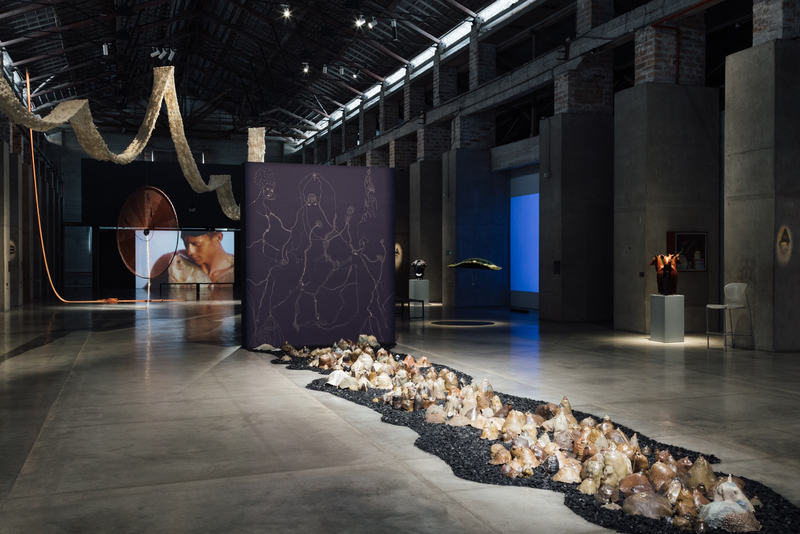
Of the Love that Moves the Sun and the Other Stars: An Interview with Amalia Cross

DEL AMOR QUE MUEVE EL SOL Y LAS OTRAS ESTRELLAS. ENTREVISTA A AMALIA CROSS

The Museo de la Solidaridad Salvador Allende (MSSA) in Santiago has inaugurated a major collection-based exhibition titled "Del amor que mueve el sol y las otras estrellas," curated by art historian Amalia Cross. The show revisits the museum's unique history—from its origins during Salvador Allende’s presidency and the international "Operation Truth" to its period of exile following the 1973 coup and its eventual return to Chile. Featuring works by global icons such as Alexander Calder, Lygia Clark, and Yoko Ono, the exhibition emphasizes movement and collective action across various mediums including sculpture, video, and installation.
‘A cauldron of people with their tops off!’ Goldie, Estelle, Courtney Pine, Flo and more pick great moments in Black British music

Prominent figures in Black British music, including Goldie, Estelle, and Dennis Bovell, reflect on iconic photographs and visual artifacts that define the history of their genre. The article highlights specific works such as Eddie Otchere’s portrait of drum and bass pioneers Kemistry and Storm, Janette Beckman’s photography of Slick Rick, and Adrian Boot’s documentation of the Race Today offices in Brixton.

Body, Territory, and Food Sovereignty at MAMM

CUERPO, TERRITORIO Y SOBERANÍA ALIMENTARIA EN EL MAMM

The Museo de Arte Moderno de Medellín (MAMM) has inaugurated a trio of exhibitions titled 'Nos habitan pájaros y montañas', 'La luz, el fuego y la ceniza', and 'El susurro del barro'. These shows collectively explore the intersection of the human body, territorial sovereignty, and food security, featuring a dialogue between the museum's permanent collection—specifically the work of Débora Arango—and contemporary artists. The exhibitions utilize diverse media, including sound and raw materials like clay and soil, to address environmental and social crises.

I Have Always Been Drawn to the Despised

"Ich habe mich schon immer zum Verachteten hingezogen gefühlt"

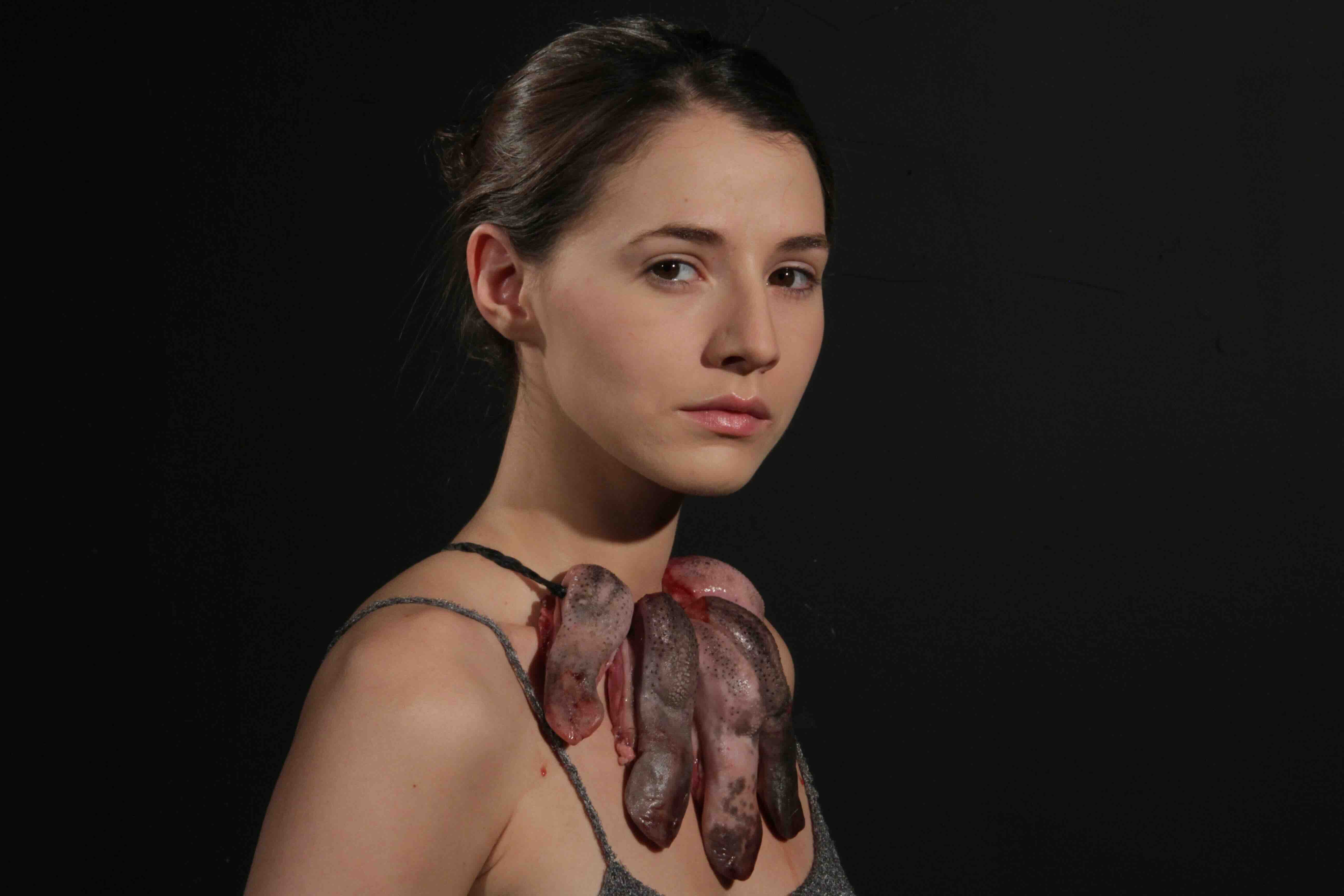
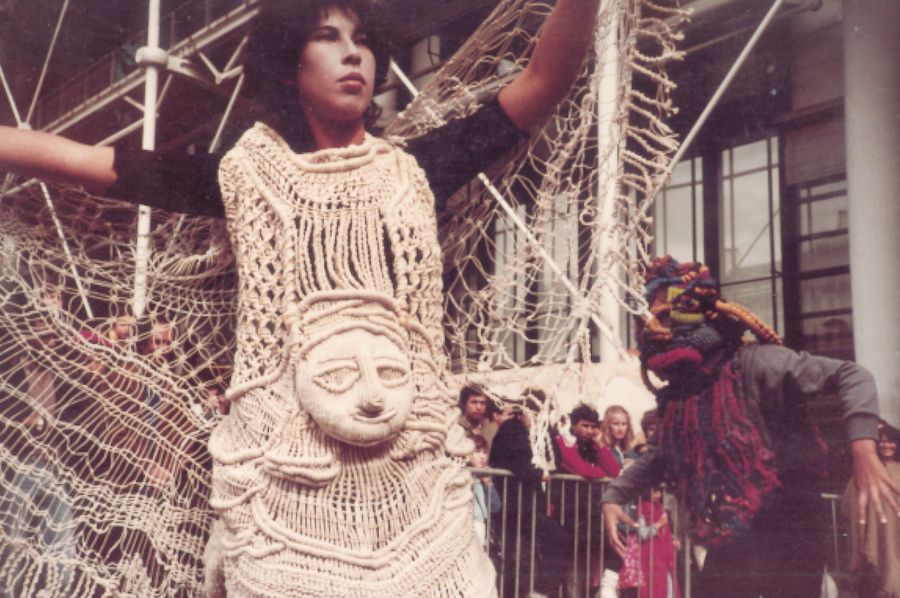
Irish artist Alice Maher discusses her ongoing exploration of patriarchal structures, mythology, and the symbolic power of female hair in her practice. Her current work focuses on large-scale drawings of Sibyls—ancient female prophets—whose excessive hair serves as a metaphor for identity, power, and the 'monstrous feminine.' Maher reflects on her career-long engagement with Irish history, from collecting hair during the Troubles to her collaborative textile masterpiece, "The Map," which reclaims the legacy of Mary Magdalene from Catholic institutional narratives.

No Lost Generation Hosts Beautiful, Poignant Exhibition of Afghan Refugee Artists’ Work

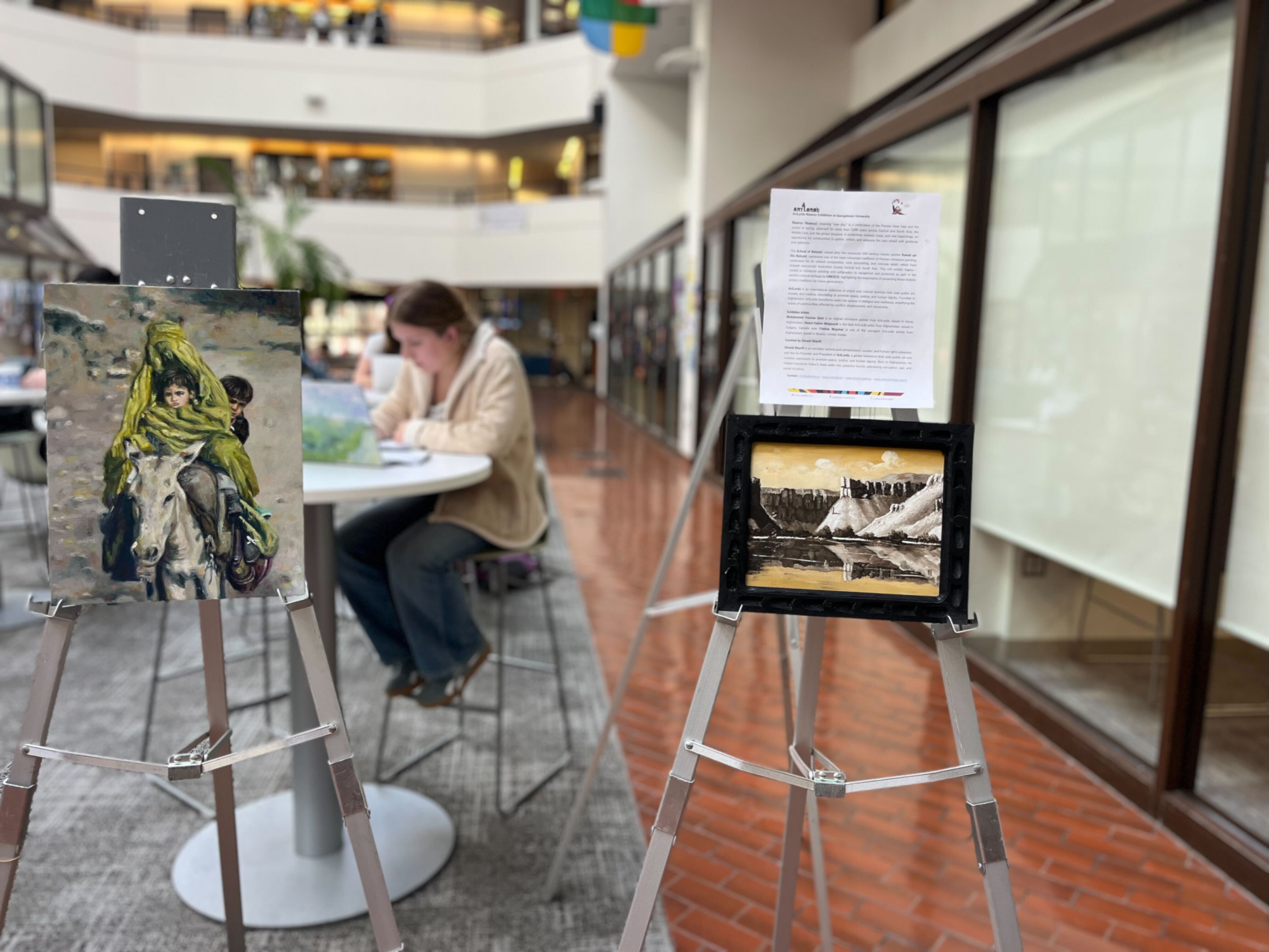
Georgetown University’s student organization No Lost Generation (NLG) partnered with the Afghan artist collective ArtLords to host a five-day exhibition at the Intercultural Center galleria. Curated by Omaid Sharifi, the showcase featured works by three Afghan refugee artists—Abdul Hakim Maqsoodi, Mohammad Younus Qani, and Fatima Wojohat—centered around the theme of "nawroz" (new day). The collection spanned traditional Afghan miniatures, scenes of displacement, and portraits exploring the resilience of female refugees.

The 9 Exhibitions to See in April 2026

The global art calendar for April 2026 features a diverse array of exhibitions ranging from indigenous-led material studies in Los Angeles to a historical deep-dive in Prague. Key highlights include 'Several Eternities in a Day' at the Hammer Museum, which explores 'living materials' through Brown and Indigenous perspectives, and a major 40-year retrospective of Veronica Ryan’s tactile sculptures at London’s Whitechapel Gallery. Additionally, Prague’s National Gallery revisits the controversial 1969 São Paulo Biennial through the work of Jiří Kolář, examining the intersection of art and political censorship.