filter_list Showing 4 results for "price inflation" close Clear
search
dashboard All 4 trending_up market 4
date_range Range Today This Week This Month All
Subscribe

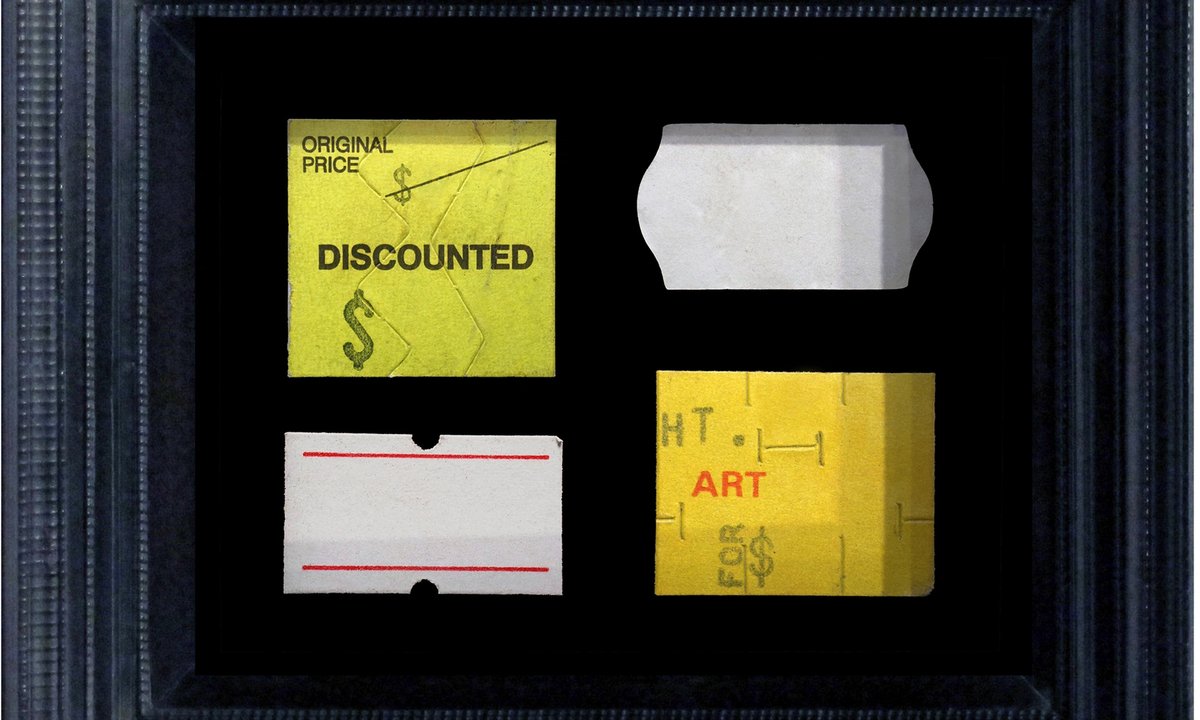
the art market has lost its grip on price 2653663

Former Sotheby's rainmaker Brooke Lampley, now a director at Gagosian, discusses the art market's loss of control over pricing, citing a failed $70 million Alberto Giacometti bust at auction as a symptom of deeper market confidence issues. The article traces the evolution of art pricing from opaque, dealer-driven norms to a data-rich system enabled by Artnet's Price Database in 1989, which fueled a price spiral and attracted speculators. Now, in 2025, the market faces a correction with auction sales down 27.3 percent to $10.2 billion, and buyers are pausing as traditional pricing signals become scrambled.
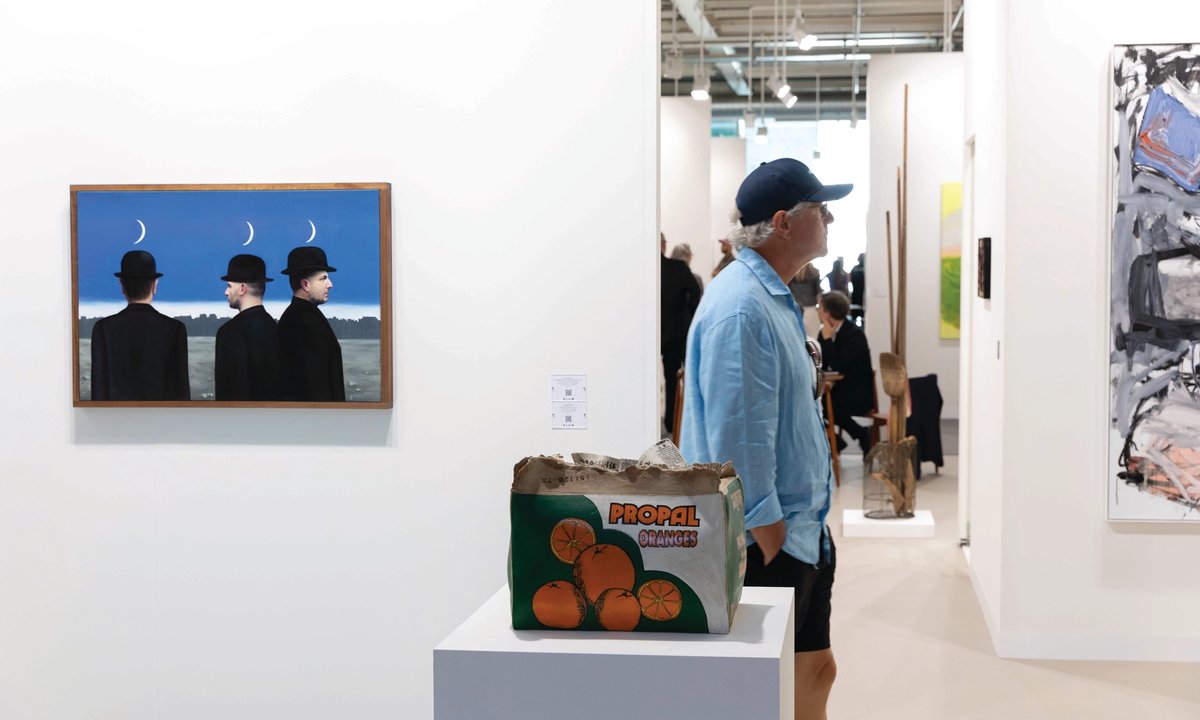
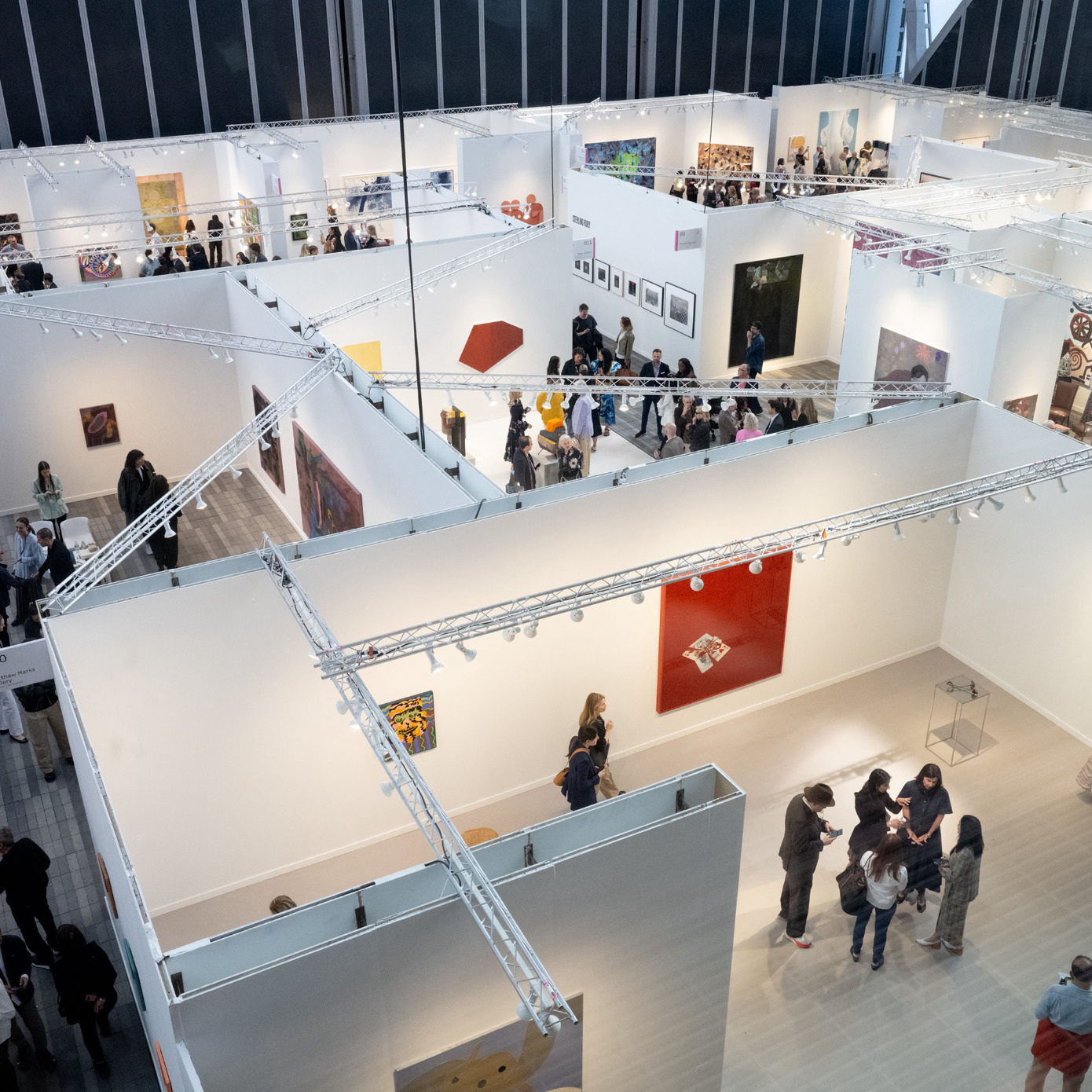
What does a so-called ‘buyer’s market’ look like at Art Basel?

At Art Basel 2025, a consensus has emerged among dealers and advisers that the fair represents a 'buyer's market,' characterized by slow sales, modest expectations, and increased negotiating power for collectors. Galleries are offering discounts of 20-30% below asking prices, particularly for works under $1 million, though open discussion of discounts remains taboo in Switzerland. Some dealers, like Tim Blum of Blum gallery, acknowledge a paradigmatic shift, with galleries adapting by focusing on established artists and estates, while still seeing demand for reasonably priced younger artists.

art market price increase 2025

The article examines the paradox of rising art prices despite a contracting market. The global art trade shrank by 12% in 2024, according to the Art Basel/UBS Art Market report, and financial volatility from trade wars has further depressed conditions. Yet dealers resist lowering prices, fearing that doing so would signal decreased value. Collectors like Jeff Magid argue that entry-level prices—often tens of thousands of dollars—are shutting out new buyers, and artists sometimes must leave their galleries to restart at lower price points. The upcoming Frieze New York fair will test whether this pricing strategy holds.

How much should art cost? The pitfalls and paradoxes of pricing works

The article examines the current state of the art market, which is in its third consecutive year of contraction. It traces how low interest rates fueled speculative price inflation, leading to a boom in ultra-contemporary art that has now burst, with collectors shifting toward Old Masters. Dealers like Larry Gagosian are now advocating for lowering primary market prices, while private sales stall due to sellers' 'anchoring' to peak valuations. The piece highlights the disconnect between high prices and long-term value, using examples such as auction records being manipulated (e.g., Patrick Drahi's anonymous bidding on a Francis Bacon triptych) and the reality that most artworks in even celebrated collections depreciate.