filter_list Showing 20 results for "public vote" close Clear
search
dashboard All 20 article news 14museum exhibitions 4article culture 1rate_review review 1
date_range Range Today This Week This Month All
Subscribe

More than 70 Venice Biennale artists withdraw from awards

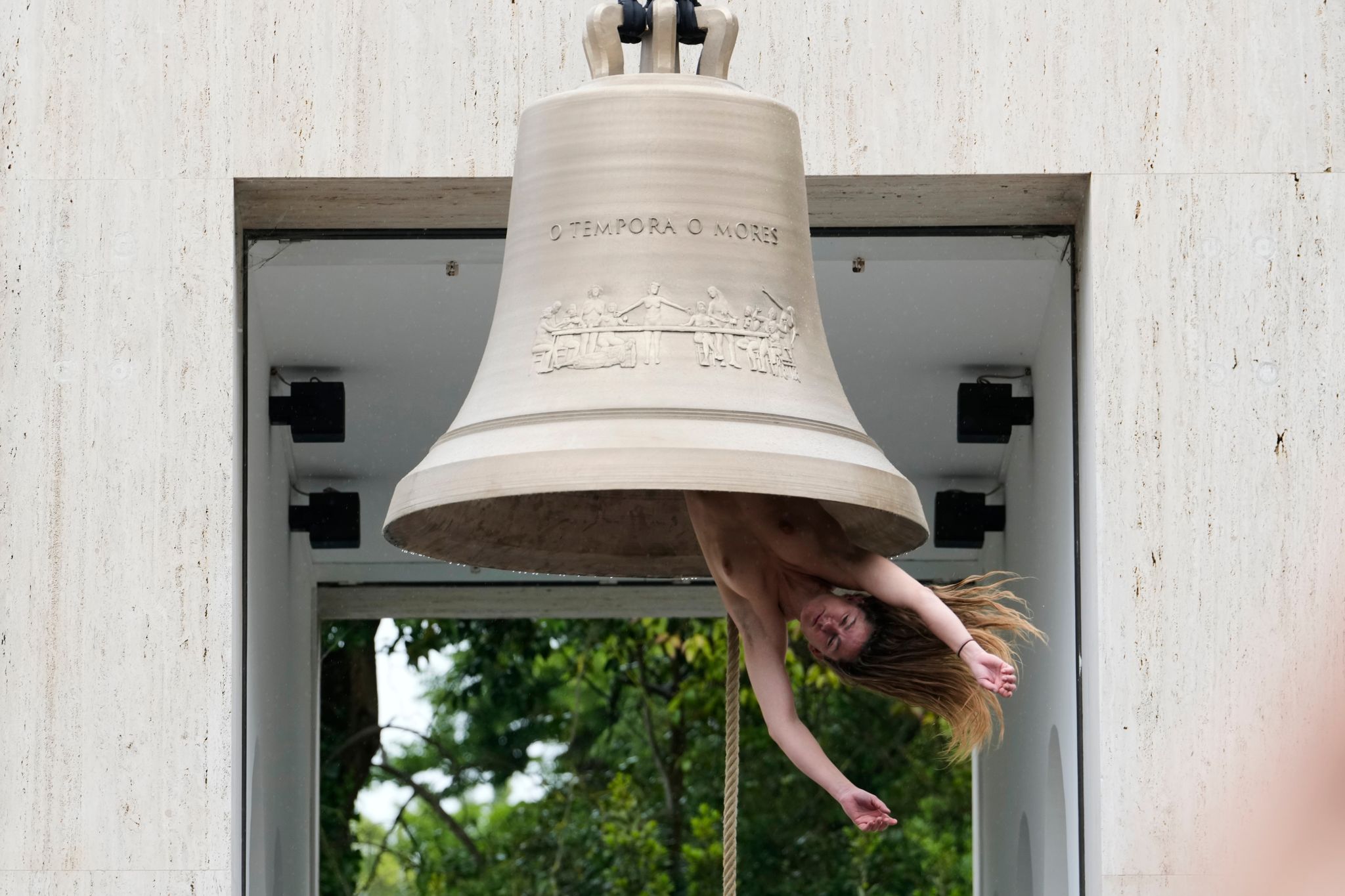
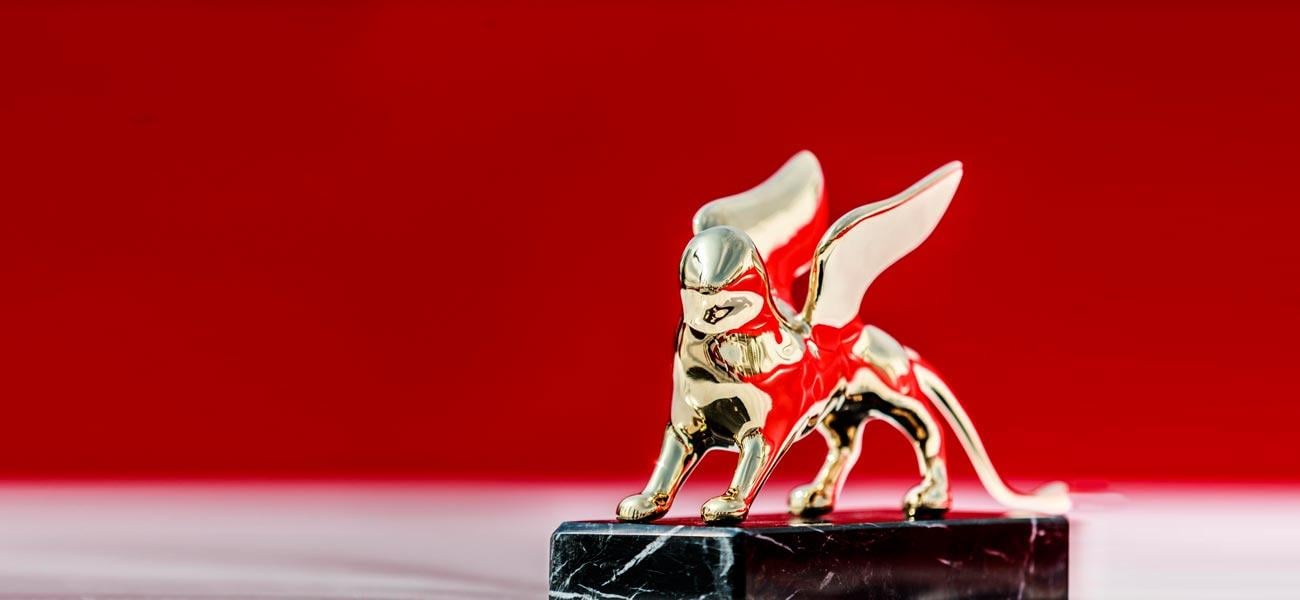
More than 70 artists participating in the 2025 Venice Biennale have withdrawn from consideration for the Golden Lion awards, which this year will be decided by public vote. The artists, including Walid Raad, Laurie Anderson, and Yto Barrada, signed a statement published on e-flux on May 9, withdrawing in solidarity with the entire prize jury that resigned last month over a dispute regarding the participation of Israel and Russia. The Biennale management replaced the traditional jury-selected awards with a new "Visitor Lion" system where ticket holders can vote, but the Biennale has acknowledged that if any of the withdrawing artists win, they will not collect the award.

Review: The Good, The Bad and The Venice Biennale

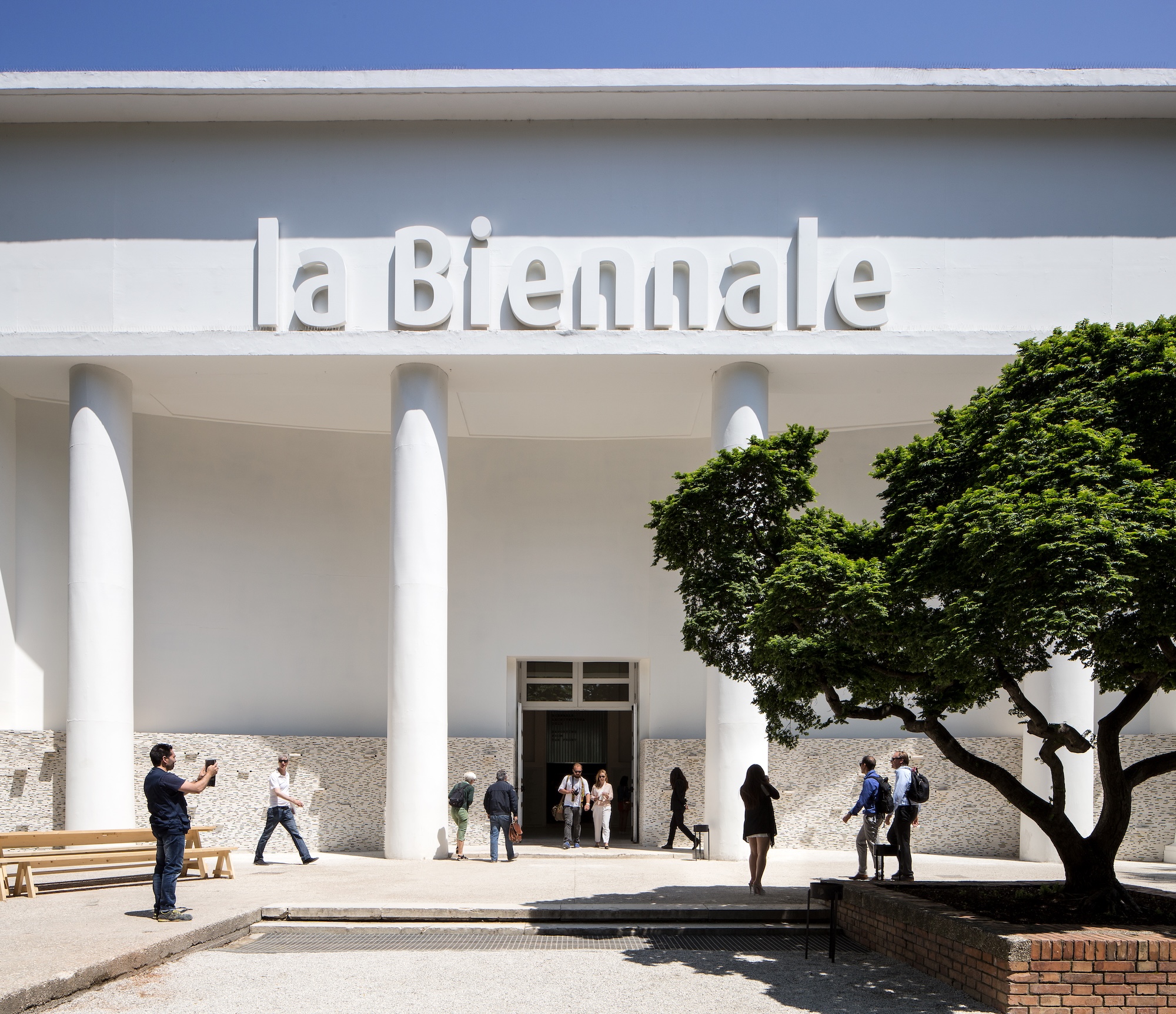
The article reviews the 2024 Venice Biennale, focusing on controversies over Russia's and Israel's participation. Protests erupted during opening week, leading the EU to cut funding and the International Jury to resign. As a result, awards like the Golden Lion and Silver Lion will be decided by public vote, with many pavilions and artists withdrawing in protest. The main exhibition, curated under the theme 'Minor Keys,' features standout works by Alfredo Jaar and Carrie Schneider, alongside national pavilions like Austria's provocative entry by Florentina Holzinger.

"Man besitzt Kunst nicht, man ist nur ihr Verwalter"

The 61st Venice Biennale opened on Saturday without ceremony or an opening celebration, amid political turmoil over the participation of Russia and Israel. Italy's Culture Minister Alessandro Giuli criticized Biennale director Pietrangelo Buttafuoco for not informing the government about Russia's participation request, suggesting it could have been used as leverage for a ceasefire in Ukraine. The entire jury resigned after attempting to exclude both Russia and Israel from prize awards, leading to the cancellation of the traditional jury decision in favor of a public vote, which over 70 participating artists have protested by withdrawing from this year's prizes. Separately, a rare photograph from the early 1940s has surfaced showing Lucas Cranach the Elder's painting "Venus with Cupid as Honey Thief" in Adolf Hitler's Munich apartment, raising unresolved questions about whether the work was looted from Jewish owners before 1935.

The best and worst we saw at the Venice Art Biennale 2026. Artribune's hits and flops

Il meglio e il peggio che abbiamo visto alla Biennale d’Arte di Venezia 2026. Top e flop di Artribune

The 61st Venice Biennale, titled "In Minor Keys" and directed by Koyo Kouoh, opened amid significant turmoil: the death of a newly appointed curator, diplomatic tensions over the presence of Russia and Israel, political protests, and the unprecedented collective resignation of the jury, which led to the Golden Lions being awarded by public vote for the first time. Despite this chaotic backdrop, the exhibition—featuring a record 100 national pavilions—has been widely praised for avoiding moralistic pedagogy and instead embracing visual seduction, formal quality, and sensory joy while addressing themes of identity, memory, colonialism, ecological crisis, and violence. The article highlights top and flop moments from the opening week, including strong showings by Biennale president Pietrangelo Buttafuoco and a standout exhibition at Fondazione Prada.

Three Filipino artists make the Sovereign Asian Art Prize 2026 shortlist

The Sovereign Asian Art Prize, now in its 22nd year, has announced its 2026 shortlist of 30 artists from 12 Asia-Pacific countries and territories. Among the finalists are three Filipino artists: Joey Cobcobo, Josephine Turalba, and Alvin Zafra. Cobcobo's nominated work, "Ika-8 Utos: Wag Kang Kukurap (Thou Shall Not Steal)," addresses corruption in the Philippines using a recycled canvas walked on by the public. Turalba, a transdisciplinary artist, has exhibited at Art Basel Hong Kong 2025 and serves as director of the Artistic Research Center at Philippine Women's University. The prize is run by the Sovereign Art Foundation, with proceeds from shortlisted works supporting its Make It Better charity program for children in Hong Kong.

Venice Biennale Jury Resigns in the Wake of Controversial Prize Ban

The jury for the 2026 Venice Biennale has resigned just days before the public opening on May 9, after announcing on April 22 that it would not consider artists from countries accused of crimes against humanity for the Golden and Silver Lion prizes. The jury, consisting of Solange Oliveira Farks (president), Zoe Butt, Elvira Dyangani Ose, Marta Kuzma, and Giovanna Zapperi, cited its earlier statement of intention in its resignation, which directly impacted the participation of Russia and Israel—both subject to International Criminal Court warrants. In response, the Biennale postponed the awards ceremony from May 9 to November 22 and replaced the traditional jury with a public vote for best participant and best national participation, framing the move as upholding openness and rejecting censorship.

Venice Biennale Artists Decline Consideration for Golden Lions Chosen by Public Vote

Nearly half of the artists in the main exhibition of the Venice Biennale have signed a statement declining consideration for the Golden Lion awards, in solidarity with the jury that resigned last month. The statement, published by e-flux, includes prominent names such as Alfredo Jaar, Tuan Andrew Nguyen, Otobong Nkanga, and Walid Raad, as well as national pavilion representatives from France, Lithuania, and the Netherlands. The Biennale had planned to replace the jury-selected Golden Lions with "Visitor Lions" decided by public vote, but the artists' refusal marks an unprecedented protest within the exhibition.

Drained, Drowning, and Decay: The Best National Pavilions at the Venice Biennale

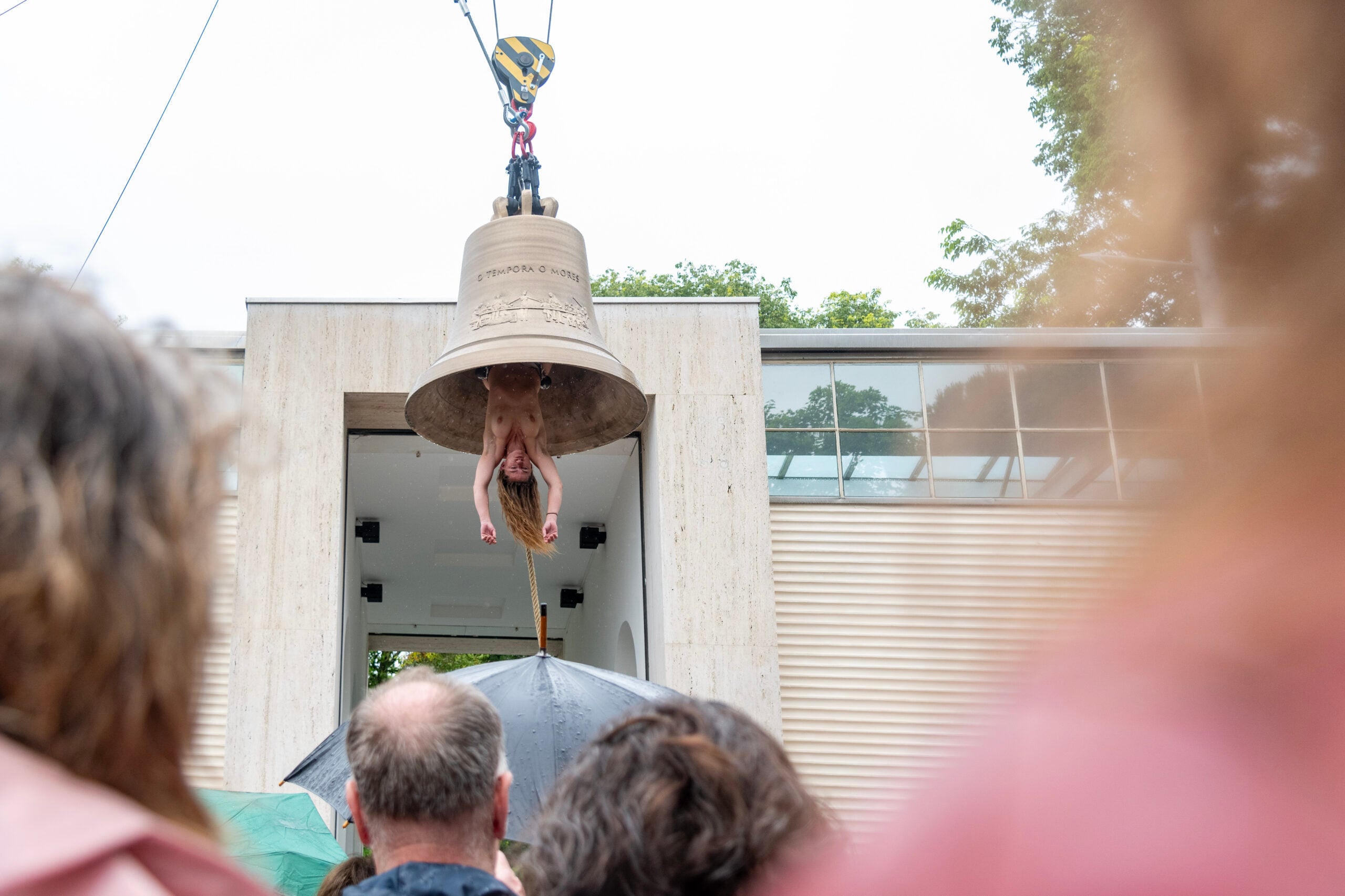
The 2026 Venice Biennale is defined by themes of ruin and decay, with standout national pavilions exploring bodily, infrastructural, and archaeological collapse. The Slovenian Pavilion features the Nonument Group repurposing materials from past Biennales into a ruin of a mosque for Bosnian Muslim soldiers from World War I. Syria presents its first national pavilion since the Civil War, with Sara Shamma invoking Palmyra, destroyed by ISIS. Germany's pavilion, titled "Ruin," features works by Henrike Naumann (who died in February) and Sung Tieu, questioning the pavilion's fascist architecture and nationalist residue. The Austrian Pavilion, curated by Florentina Holzinger, offers a visceral performance titled "Sea World." The Biennale is also marked by the abrupt resignation of its five-member jury, who refused to consider nations charged with crimes against humanity, leading to awards being chosen by public vote. Additionally, the main exhibition "In Minor Keys" was affected by the death of its curator, Koyo Kouoh.

Weekly News Roundup: May 22, 2026

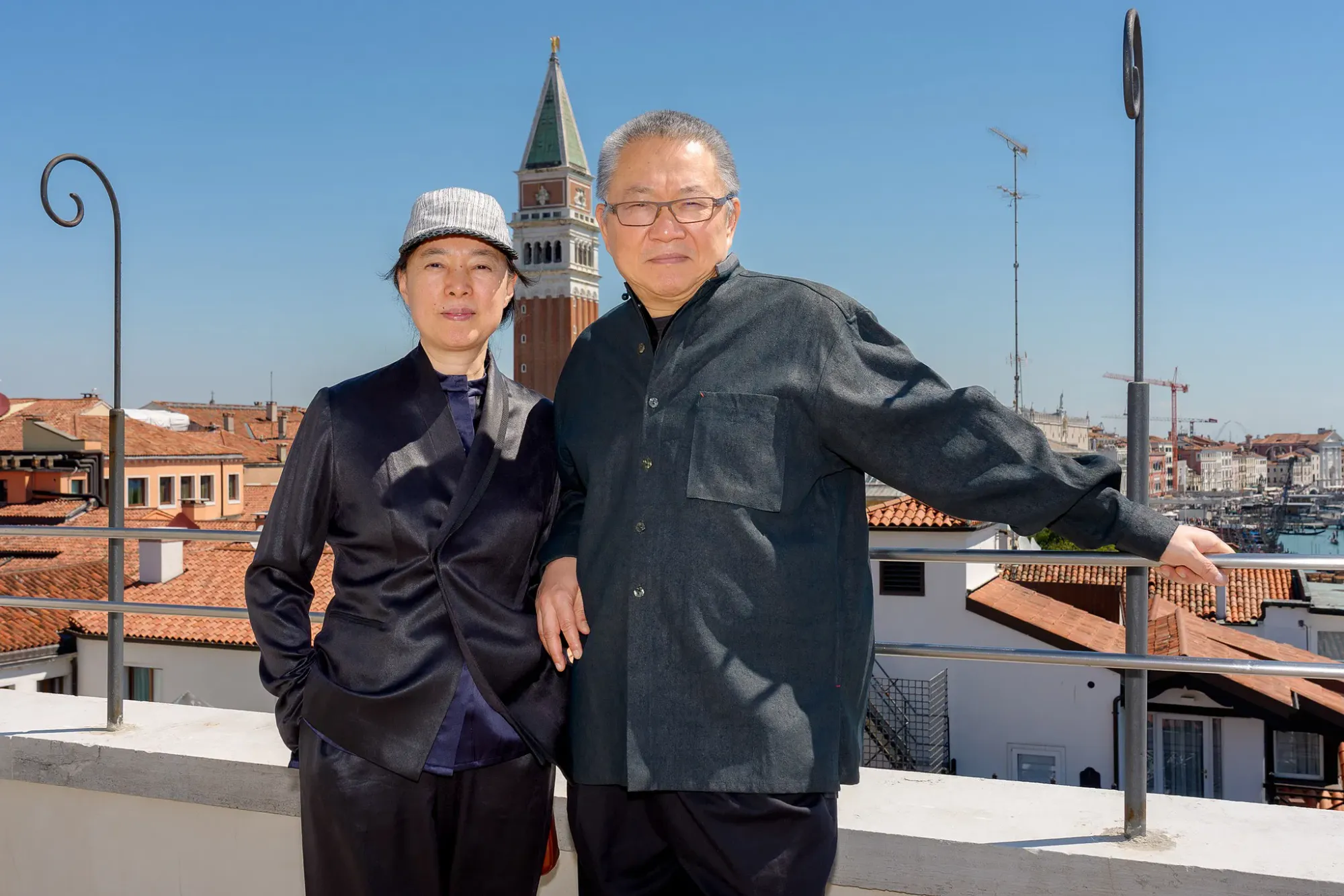
This weekly roundup from ArtAsiaPacific covers four major developments in the art and architecture world. Chinese architects Wang Shu and Lu Wenyu have announced the theme for the 2027 Venice Architecture Biennale, titled “Do Architecture – For the Possibility of Coexistence Facing a Real Reality,” emphasizing hands-on, context-driven design. The 2026 Sovereign Asian Art Prize winners were revealed, with Balinese artist Citra Sasmita winning the Grand Prize for her work "Poetry of the Fountain" (2025). Dubai announced plans for the Museum of Digital Art (MODA), a new institution dedicated to new media and immersive technologies, as part of a major district expansion. Finally, the Asian Cultural Council (ACC) named 70 grantees for its 2026 cycle, awarding over USD 1.6 million to support cultural exchange between the US and Asia.

Dozens of Venice Biennale Artists Withdraw From Awards En Masse

Almost half of the artists in the 61st Venice Biennale's international exhibition, along with 16 national pavilion teams, have withdrawn from awards consideration in solidarity with the jury's resignation. The jury resigned on April 30 after stating it would not consider countries whose leaders are charged with crimes against humanity by the ICC, effectively disqualifying Israel and Russia. The Biennale Foundation then replaced the traditional Golden Lions with new "Visitor Lions" decided by public vote, reinstating all pavilions including Israel and Russia. The withdrawal follows protests at the Russian and Israeli pavilions and a historic labor strike that shuttered multiple pavilions.

Multimedia arts project wins Sycamore Gap tree commission after public vote

A community arts charity, Helix Arts, and George King Architects have won a public vote to create 'The People's Tree', a multimedia artwork using preserved wood from the illegally felled Sycamore Gap tree in Northumberland. The National Trust commission, announced in September 2025, will transform the tree into a 'living archive' featuring participatory storytelling, a national sound archive, seed pods for digital recordings, a soundscape from growth rings, and a sound sculpture near the original site. The project is expected to begin public engagement in summer 2026 and be completed by autumn 2027.

Iran Abruptly Drops Out of Venice Biennale as US and Israel’s War Continues

Iran has abruptly withdrawn from the 61st Venice Biennale, scheduled for May 9–November 22, 2026, reducing the number of participating nations from 101 to 100. The Biennale confirmed the withdrawal in a statement but did not provide a reason; Iran is now the only country listed without any artist representatives, though Aydin Mahdizadeh Tehrani remains listed as the pavilion's commissioner. The announcement comes as the Biennale opens to press amid ongoing controversy over the participation of Israel and Russia, whose pavilions have drawn protests from artists and politicians.

Venice Biennale opens without a jury amid strife over Russian and Israeli participation

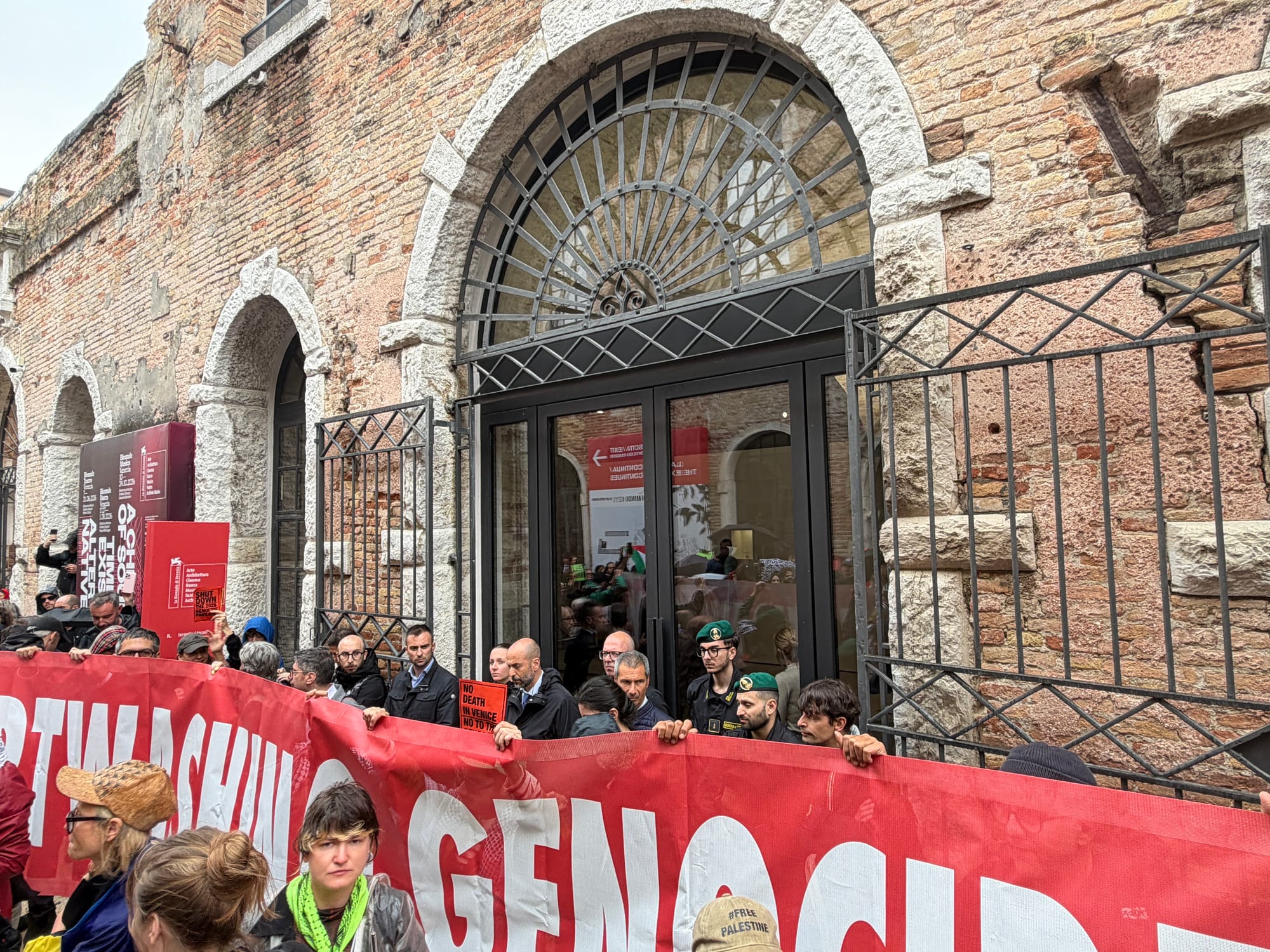
The Venice Biennale, one of the world's most prestigious contemporary art exhibitions, opens its most contested edition in memory without a jury after the jury resigned in protest over the participation of Israel and Russia, both under investigation by the International Criminal Court for human rights abuses. Protests have erupted outside the Israeli and Russian pavilions, with demonstrators clashing with police, while feminist groups from Ukraine and Russia converged on the Russian Pavilion and Palestinians remembered artists killed in Gaza. The Biennale has replaced the jury with a public vote via email, with winners announced at the close on November 22.

Biennale, rules announced for Visitor's Lion. But dozens of artists withdraw

The Venice Biennale has announced the voting rules for the new Visitors' Lion awards, which replace the traditional Golden Lions after the original jury resigned before the opening. On the same day the popular voting opened, dozens of artists from the central exhibition 'In Minor Keys' and several National Pavilions announced their withdrawal from the competition in solidarity with the resigned jury, releasing a statement via e-flux on May 9, 2026. The voting system requires visitors to have attended both the Giardini and Arsenale venues, with anonymous voting open until November 22, 2026.

Israeli Pavilion Artist Made Legal Threats Before Venice Biennale Jury Resigned

New reports reveal that Israeli Pavilion artist Belu-Simion Fainaru issued legal threats against the Venice Biennale, alleging antisemitism and discrimination after the awards jury decided to exclude Israel and Russia from consideration due to human rights charges. The jury, which included Elvira Dyangani Ose, Zoe Butt, Marta Kuzma, Giovanna Zapperi, and Solange Farkas, initially stated on April 22 it would not consider nations whose leaders are charged with crimes against humanity by the International Criminal Court. Fainaru filed legal warnings with the Biennale, the Italian Ministry of Culture, and the Prime Minister's office. The jury abruptly resigned eight days later, leading the Biennale to scrap the Golden Lion awards and institute "Visitor Lions" decided by public vote. Reports indicate the Biennale's legal department warned jurors could be personally liable for damages, and Italian Culture Minister Alessandro Giuli promised to promote Fainaru's work.

Venice Biennale Scraps “Golden Lion” Awards as Turmoil Continues

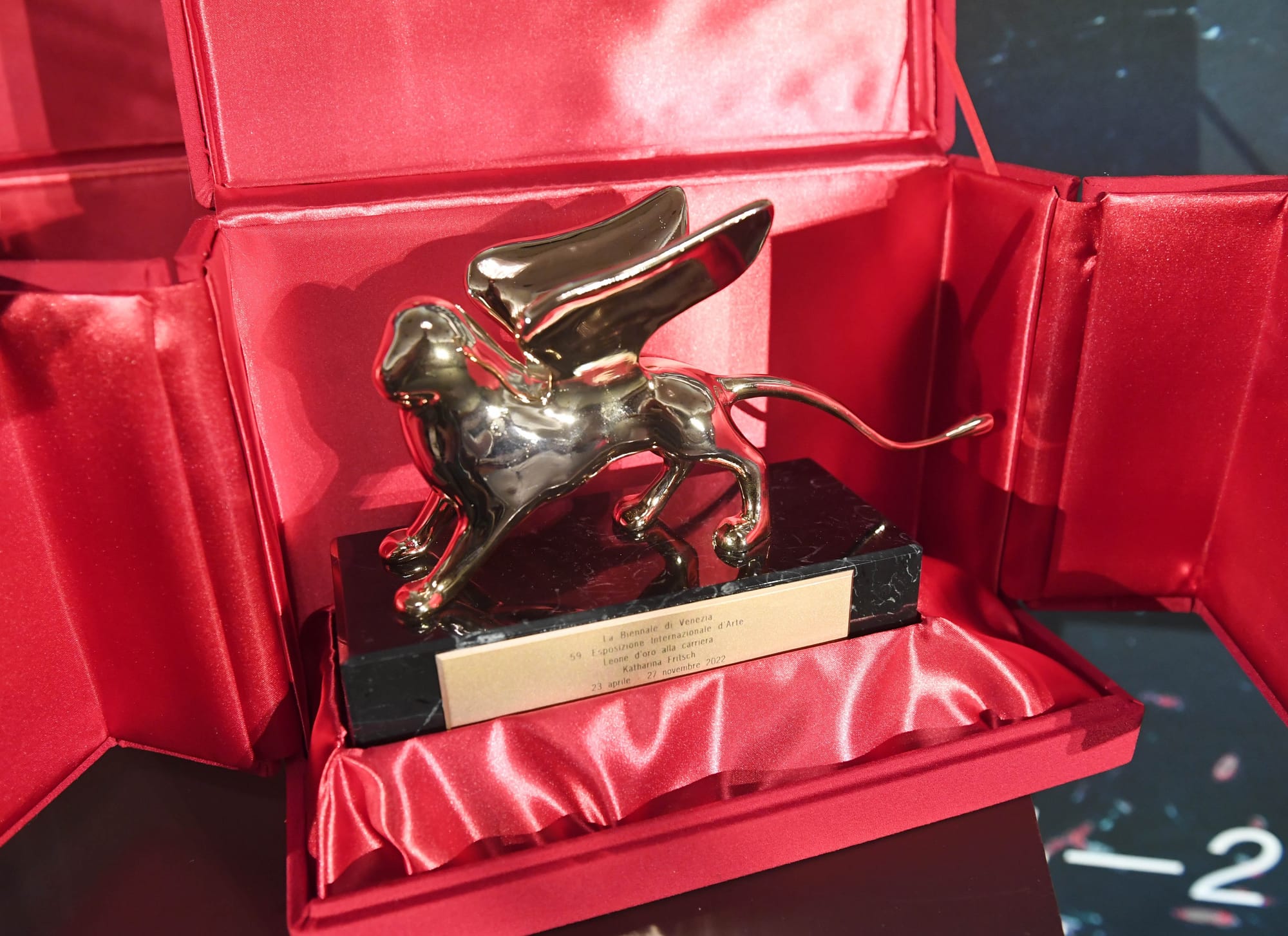
The 61st Venice Biennale has scrapped its traditional Golden Lion awards, replacing them with public-voted “Visitor Lions” after the entire award jury resigned on April 30. The jury had previously announced its intention to exclude countries whose leaders are charged with crimes against humanity by the International Criminal Court, effectively targeting Russia and Israel. The Biennale Foundation, however, stated that all official national pavilions—including Russia and Israel—will be eligible for the new Visitor Lions, citing principles of inclusion and equal treatment. The awards ceremony has been moved from May 9 to November 22, the final day of the Biennale, to allow ticket holders to vote throughout the event.

Under pressure, the Venice Biennale jury resigns and is replaced by a public vote

Sous pression, le jury de la Biennale de Venise démissionne et est remplacé par un vote du public

On April 30, just days before the Venice Biennale's public opening on May 9, the entire international jury responsible for awarding the Golden and Silver Lions resigned. The jury—comprising Solange Farkas, Zoe Butt, Elvira Dyangani Ose, Marta Kuzma, and Giovanna Zapperi—had been caught in a escalating controversy after Biennale president Pietrangelo Buttafuoco reinstated Russia, which had been excluded since the 2022 invasion of Ukraine. The European Union threatened to suspend or cancel its €2 million subsidy if Russia remained included. The jury attempted to exclude countries whose leaders face International Criminal Court arrest warrants, effectively targeting Russia and Israel, but ultimately resigned under pressure from both external diplomatic turmoil and internal institutional opposition to any discrimination between pavilions.

Faith Art Prize

Christian Art has launched the Faith Art Prize, a rebranded international award formerly known as the Laudamus Award, celebrating contemporary art that engages with faith, prayer, and the sacred. The prize offers a total fund of £30,000, including a £25,000 first prize donated by John J Studzinski CBE, and is open to artists worldwide working in any medium. Up to 100 shortlisted works will be exhibited at Westminster Cathedral and Westminster Cathedral Hall from 9–13 November 2026, with a People's Choice Award of £5,000 selected by public vote. The exhibition coincides with the Christian Art Conference 2026 at the QEII Centre, London.

Endangered Species? Venice Biennale Ditches Golden, Silver Lions for 2026 Edition

The Venice Biennale has announced it will eliminate the Golden and Silver Lions for the 2026 edition, replacing them with Visitor Lions chosen by popular vote. The prizes, traditionally awarded on opening day (May 9), will now be presented at the closing ceremony (November 22). Russia and Israel, previously barred from consideration by the prize jury due to ICC charges against their leaders, will be eligible for the new Visitor Lions. The decision follows the mass resignation of the original prize jury after they excluded those nations and faced pressure to also ban the US.

Jury or Public? The Biennale Is Not an Algorithm, But Neither Is It a Liturgy

Giuria o pubblico? La Biennale non è un algoritmo, ma neppure una liturgia

The article critically examines the proposal for "Visitor Lions" (Leoni dei Visitatori) at the Venice Biennale, arguing that the idea is a fragile, quick-fix response to a deeper crisis. It questions whether replacing expert juries with public voting would truly improve the selection process, noting that both systems have significant flaws: juries are not necessarily neutral, often rushed and filtered, while public voting risks favoring accessible, easily consumable works and reinforcing existing hierarchies.