filter_list Showing 8 results for "reina sofía" close Clear
search
dashboard All 8 museum exhibitions 4person people 2article policy 2
date_range Range Today This Week This Month All
Subscribe

Spain Threatens to Oust Reina Sofía Director Over Missing Artworks and Finances

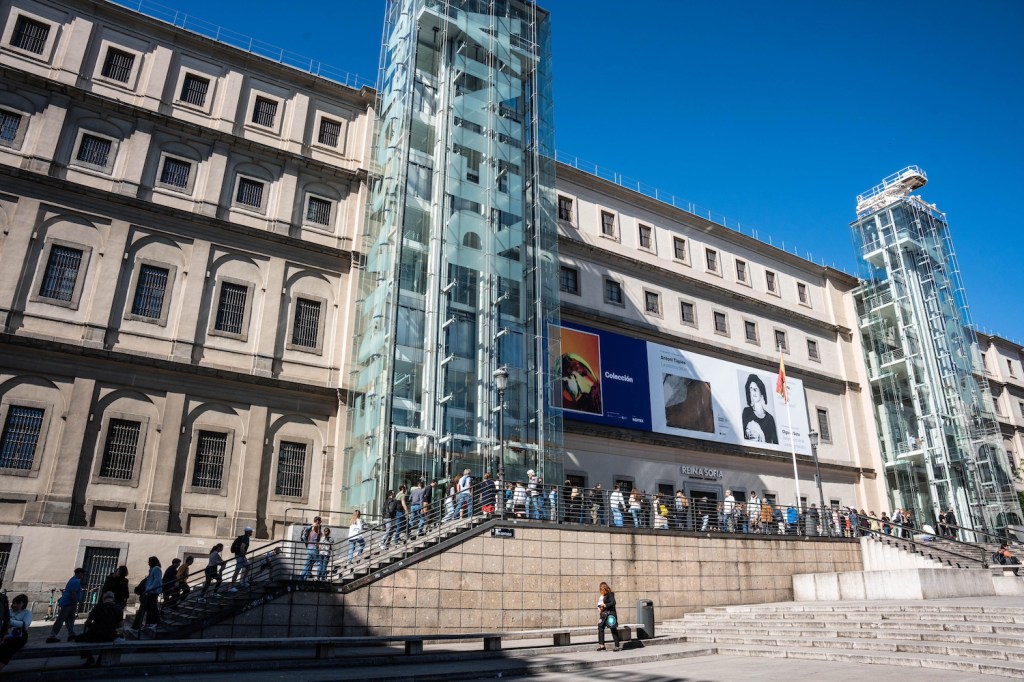
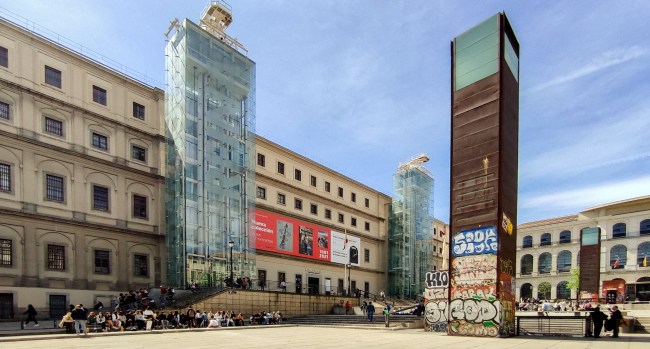
Spain’s government has escalated pressure on the Museo Nacional Centro de Arte Reina Sofía, demanding a complete inventory of its 25,000-plus artworks by December 31, 2026. A parliamentary oversight committee passed a resolution backed by the conservative Popular Party and far-right, warning that failure to comply could lead to the removal of museum director Manuel Segade. The resolution calls for a full audit of holdings, including loans and missing pieces, and updated financial valuations. The museum faces years of criticism from Spain’s Court of Auditors over weak internal controls and tracking issues, including a 2021 donation that can no longer be fully accounted for.
Spanish Government Threatens to Fire Director of Museo Reina Sofía

Manuel Segade, director of the Museo Nacional Centro de Arte Reina Sofía in Spain, has been threatened with removal by lawmakers if he does not complete a full inventory of the museum’s over 25,000 artworks by December 31, 2025. The pressure comes from Spain’s Court of Auditors, which has criticized the museum’s cataloguing methods for years, and is backed by the far-right and the conservative Popular Party. Segade, appointed in 2023, has been overseeing a multi-year renovation and has increased the representation of women artists to 35%, though only 15% of the collection’s 26,000 pieces are by women. The museum recently refused to lend Picasso’s *Guernica* to the Guggenheim Bilbao, and a pro-Israel group filed a complaint over a Palestinian flag display and a seminar series.

The fate of 'Guernica', a political icon born under bombs, traced in virtual reality at the Musée Picasso

Le destin de « Guernica », icône politique née sous les bombes, retracé en réalité virtuelle au musée Picasso

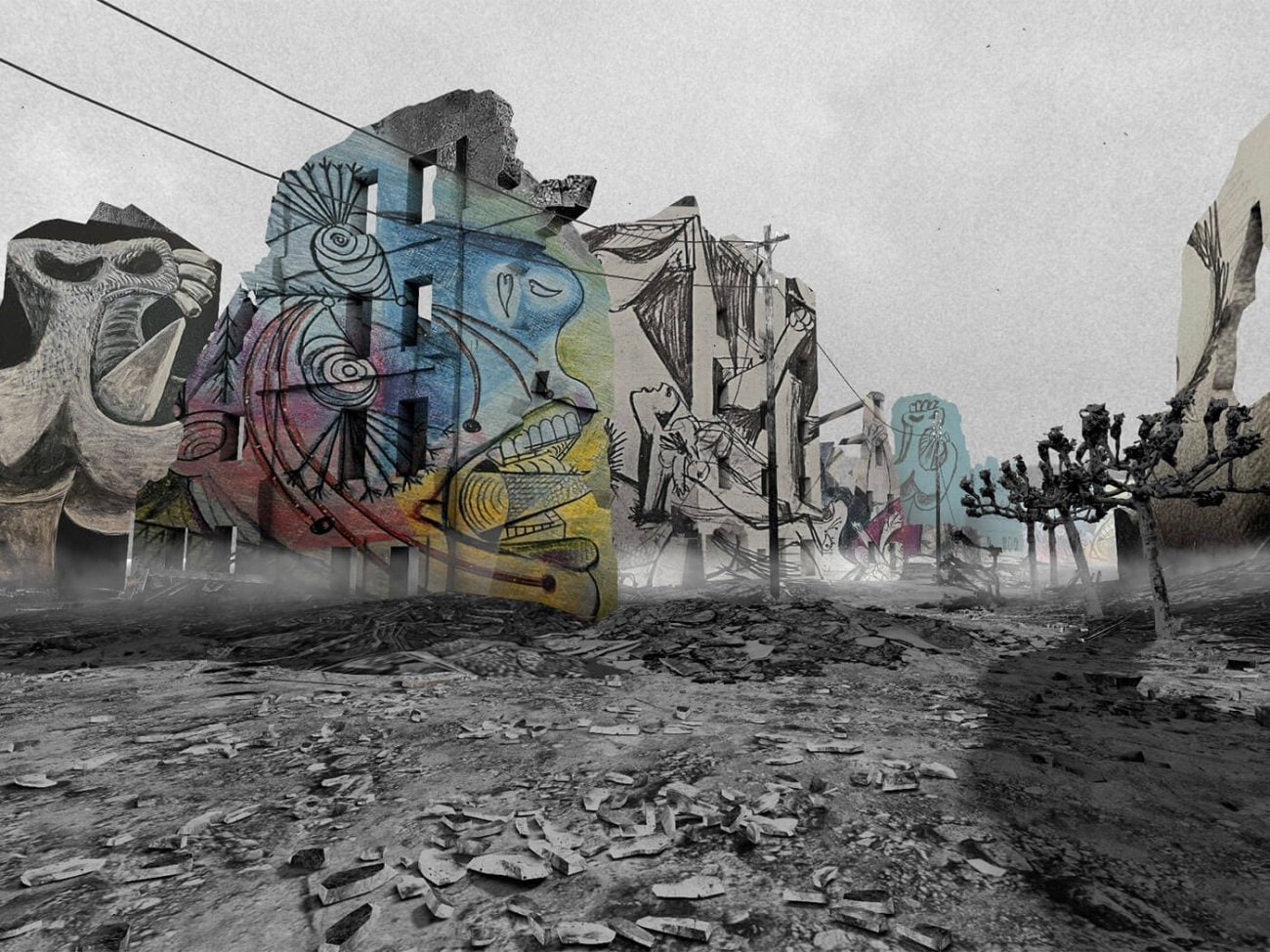
The Musée Picasso-Paris is launching a virtual reality experience that traces the epic journey of Pablo Picasso's "Guernica," one of the most iconic political paintings of the 20th century. Guided by the voices of writer Juan Larrea and photographer Dora Maar, visitors are transported to Picasso's Paris studio and the bombed ruins of Gernika, reliving the creation of the masterpiece commissioned for the Spanish Republic's pavilion at the 1937 International Exposition in Paris. The VR experience covers the painting's genesis, its global tour, and its eventual exile at MoMA in New York until 1981.

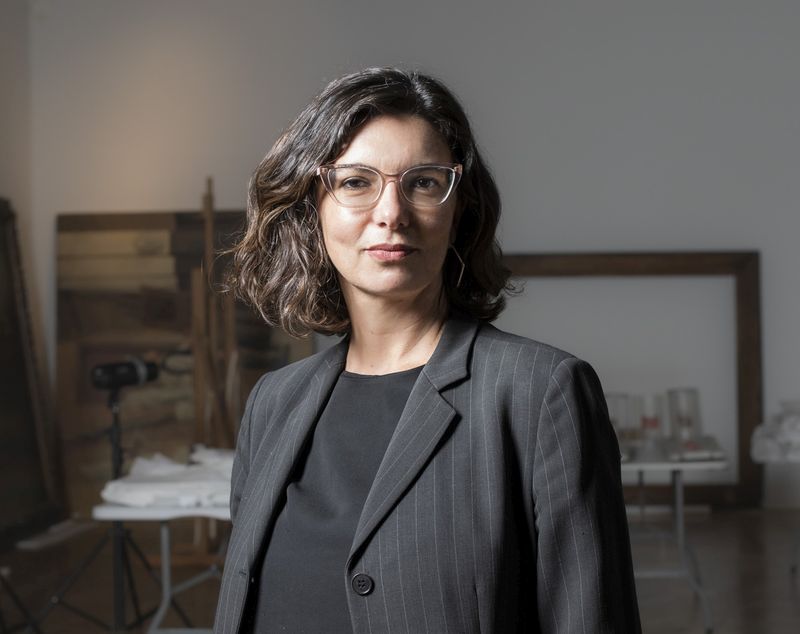
VARINIA BRODSKY ZIMMERMANN: “ENTIENDO AL MUSEO COMO UN CAMPO DE REVERBERACIÓN”

Varinia Brodsky Zimmermann, director of the Museo Nacional de Bellas Artes de Chile, is interviewed as part of a series on contemporary museums in Latin America. She describes the museum as a "field of reverberation" that amplifies social, cultural, and political questions without reacting mechanically to demands. The conversation covers structural challenges facing public museums in Chile, including budget precarity and suspended exhibition projects, and Brodsky advocates for more permeable, horizontal, and sustainable institutions that maintain critical depth while engaging diverse communities.

The Kiran Nadar Museum of Art and Christie's Unveil 'The Meeting Ground: Scenes from the KNMA Collection' - Christie's

The Kiran Nadar Museum of Art (KNMA) in New Delhi and Christie's London have announced a major institutional exhibition titled 'The Meeting Ground: Scenes from the KNMA Collection,' running from 16 July to 21 August 2026 at Christie's King Street. The show brings together modern and contemporary works alongside folk and indigenous art from South Asia, curated by Akansha Rastogi with a team of curators. It features artists such as M.F. Husain, S.H. Raza, Zarina Hashmi, and Jangarh Singh Shyam, and is part of KNMA's ongoing international programme.

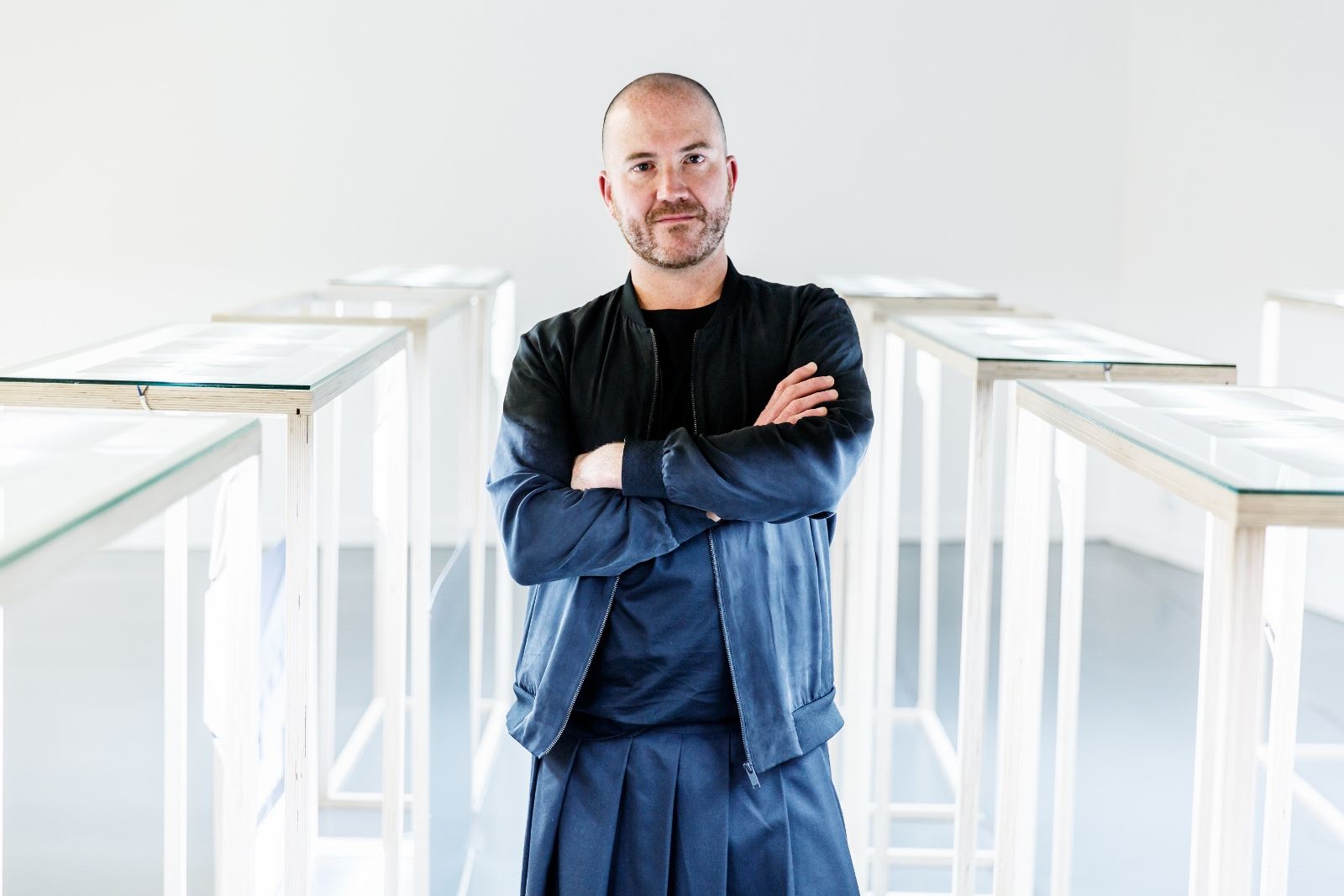
MANUEL SEGADE: “PRESERVAR LA COMPLEJIDAD DEL MUNDO ES UNA DE LAS TAREAS FUNDAMENTALES DEL MUSEO”

Manuel Segade, director of the Museo Nacional Centro de Arte Reina Sofía, is interviewed as part of a series for International Museum Day. He discusses the museum's role as a space historically tied to critique, conflict, and negotiation with tradition, emphasizing the need to preserve the world's complexity. Segade advocates for institutions that can speak on multiple levels, from introductory lectures to para-academic research, and stresses transforming internal structures toward more horizontal and interdependent models.

ON THE IM-POSSIBILITY OF COMMUNICATING. “DICHO A MANO”, BY FELIPE PINEDA

SOBRE LA IM-POSIBILIDAD DE COMUNICARSE. “DICHO A MANO”, DE FELIPE PINEDA

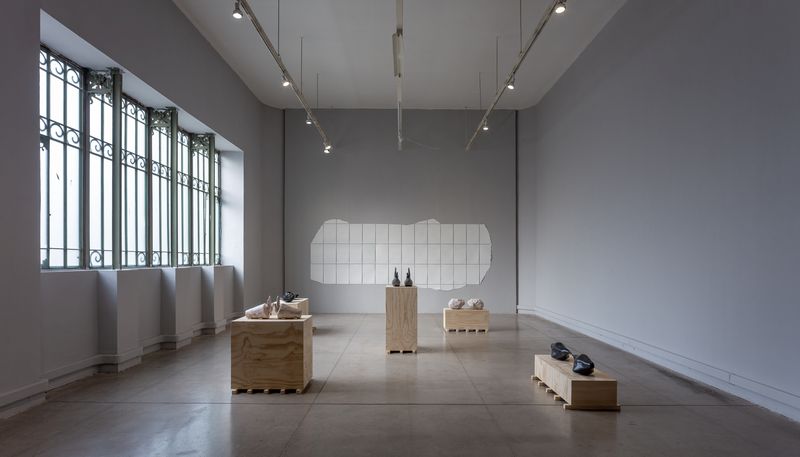
The exhibition "Dicho a mano" by Chilean artist Felipe Pineda, curated by Ayelén Ruiz at the Museo de Arte Contemporáneo de Santiago, explores the difficulty of communication when words fail, turning to the body and hands as alternative languages. Pineda draws on his migratory experience in London and references mutilated classical sculptures from the British Museum, while a recent theft of one piece adds an unexpected dimension. The show reflects on barriers in art and human connection, proposing that even failed communication carries a desire to be understood.

Between Ritual and Institution: Andrea Canepa's Interventions in Spain

ENTRE EL RITO Y LA INSTITUCIÓN: LAS INTERVENCIONES DE ANDREA CANEPA EN ESPAÑA

Andrea Canepa, a Peruvian artist born in 1980, has installed "Fardo" at the Palacio de Cristal in Madrid's Parque del Retiro, running from January 13, 2026 to January 1, 2027. The work wraps the building's perimeter in a printed fabric bearing patterns from Paracas funerary textiles, a pre-Columbian culture from southern Peru. Created during the palace's ongoing restoration (which began in 2023), the installation challenges the building's colonial history—it was built for the 1887 Exhibition of the Philippine Islands—by introducing indigenous visual and ritual references. Canepa also presented "Entre lo profundo y lo distante" at the IVAM in Valencia until April 12, 2026, which uses Andean huacas (sacred spaces) to propose a non-linear relationship between time, body, and space. Both works transform passive contemplation into active, bodily participation, using ritual as a means to reorganize the exhibition experience.