filter_list Showing 11 results for "russian pavilion" close Clear
dashboard All 11 article policy 6article news 4museum exhibitions 1
date_range Range Today This Week This Month All
Subscribe

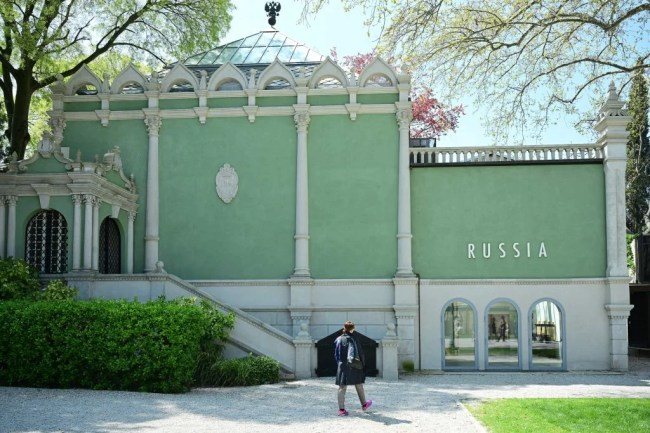
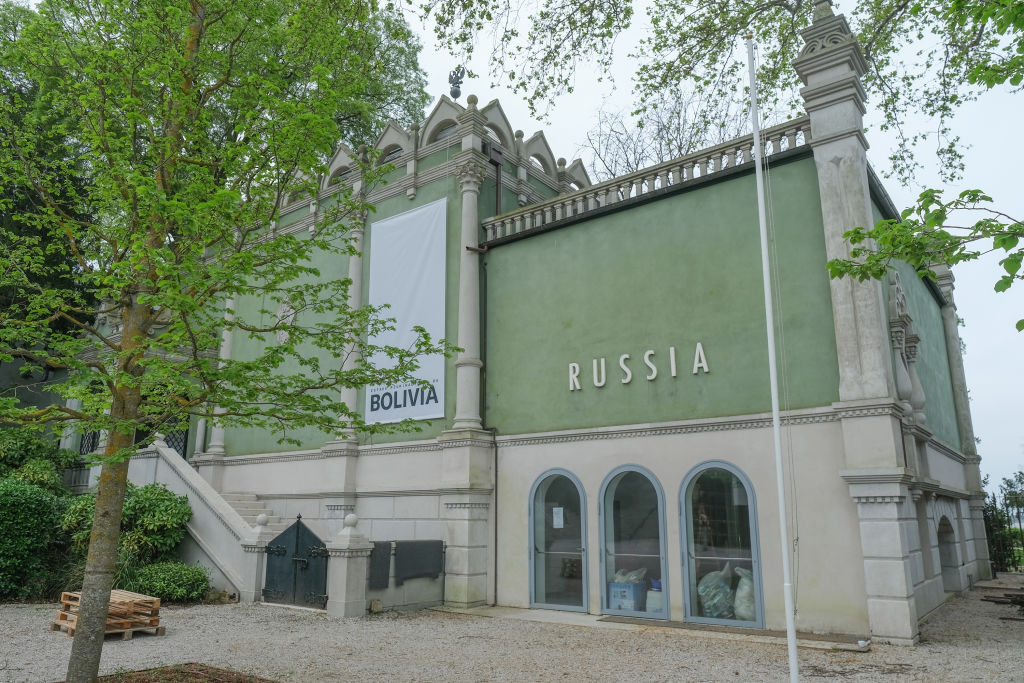
Finland Pulls Back Venice Biennale Presence Over Return of Russian Pavilion

Finland’s political leadership has announced it will boycott the Venice Biennale if the Russian Pavilion proceeds with its planned exhibition. While Finnish public officials will still attend to support their own national artists, the Ministry of Education and Culture stated that Russia should be excluded as long as the war in Ukraine continues. This move follows an open letter from 22 European nations and a warning from the European Commission regarding potential sanctions violations.
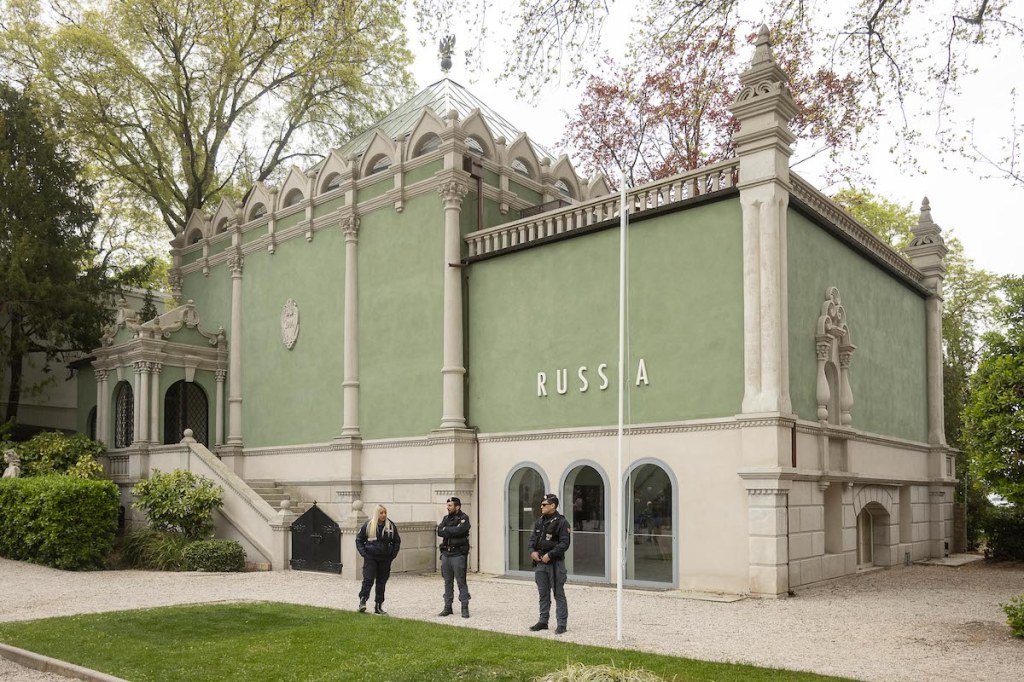
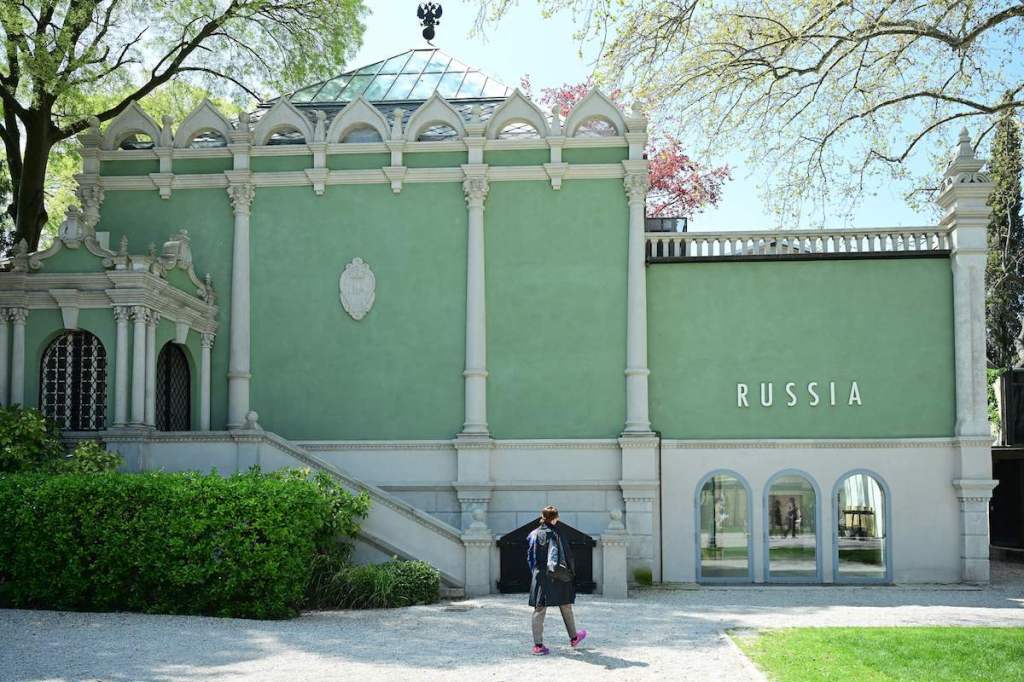
European Commission Tells Venice Biennale to ‘Clear Its Name’ Regarding Russian Pavilion or Risk Losing $2.3 M. Grant for 2028

The European Commission has issued a 30-day ultimatum to the Venice Biennale, threatening to withdraw a €2 million ($2.3 million) grant for the 2028 edition unless the organization addresses concerns regarding the Russian Pavilion's inclusion in 2026. The Commission alleges that hosting a government-funded delegation violates EU sanctions and provides a cultural platform for Russian state interests amidst the ongoing war in Ukraine. The Biennale's president, Pietrangelo Buttafuoco, must respond by May 11, just two days after the exhibition's public opening.

Ukraine Sanctions Russian Culture Figures Linked to Country’s Participation in Venice Biennale

Ukrainian President Volodymyr Zelenskyy has issued a decree imposing sanctions on five Russian cultural figures involved in the Russian Pavilion for the 2026 Venice Biennale. The sanctioned individuals include pavilion commissioner Anastasia Karneeva, former culture minister Mikhail Shvydkoy, and three performers from the Intrada Ensemble. Ukrainian officials argue that these figures use international art platforms to legitimize Russian aggression and spread state propaganda, specifically citing past activities in occupied territories like Crimea and Donetsk.

European Commission Tells Venice Biennale to Ditch Russian Pavilion

The European Commission has formally accused the Venice Biennale of violating EU sanctions against Russia by planning to reopen the Russian Pavilion for the 2026 edition. In a letter to the Biennale's president, the Commission argues that hosting a government-funded national pavilion constitutes accepting indirect support from the Russian state during its ongoing war in Ukraine. The organization has threatened to withhold a $2.3 million grant intended for the 2028 edition unless the Biennale addresses these concerns by May 11.

"Du bist nun in die ewigen Jagdgründe der Kunst entschwunden"

This week's art news roundup covers several stories: Jonathan Meese publishes an obituary for his mother Brigitte Meese in Der Spiegel, describing her as a central figure in his life and work. Pussy Riot seeks to take over the Russian Pavilion at the Venice Biennale. The European Media Art Festival (EMAF) in Osnabrück faces controversy over antisemitism allegations linked to Palestinian-American filmmaker Basma al-Sharif, leading the city and state government to distance themselves from the festival. In the NZZ, Christian Wildhagen reports on conflicts over official political portraits, citing examples like Swiss councilor Martin Neukom rejecting paintings and Donald Trump criticizing his portrait. Art historian Horst Bredekamp pays tribute to Italian philosopher Federico Vercellone (1955–2026) in the FAZ, highlighting his theory of the 'self-activity of form.'

What You Need to Know About the Venice Biennale’s Russian Pavilion Controversy

The Russian pavilion is set to return to the Venice Biennale for the first time since the 2022 invasion of Ukraine, presenting an exhibition titled 'The tree is rooted in the sky.' This has sparked significant controversy, with artists, curators, and politicians from Ukraine and several European nations calling for the pavilion's exclusion, citing the ongoing war and sanctions. The Biennale organizers have refused to remove Russia, stating they lack the authority to exclude a state recognized by Italy and emphasizing the event's role as a neutral space for cultural dialogue.

Venice Art Biennale: The Time of Nuances

Biennale d’art de Venise : le temps des nuances

The 61st Venice Biennale, titled "In Minor Keys," opened under the artistic direction of the late Swiss-Cameroonian curator Koyo Kouoh. The exhibition features 111 artists and collectives, presenting a more subdued, poetic, and experiential approach compared to the previous edition's explicit decolonial program. It navigates contemporary political tensions, including the participation of Israel and the reopening of the Russian pavilion, while aiming for a radical return to art's own environment and its place in society.

EU Says It ‘Intends’ to Cut Funding to Venice Biennale Because of Russian Pavilion

The European Union has declared its intention to cut its €2 million funding contribution to the Venice Biennale in response to the exhibition's decision to host a Russian national pavilion for the first time since Russia's 2022 invasion of Ukraine. EU foreign policy chief Kaja Kallas stated that allowing Russia to exhibit while it "bombs museums, destroys churches and seeks to erase Ukrainian culture" is morally wrong, marking the union's strongest condemnation to date.

Finland’s political leadership to retract from Venice Biennale over Russian Pavilion

Finland's Minister of Science and Culture, Mari-Leena Talvitie, announced that the country's political leadership will not participate in the upcoming Venice Biennale if Russia's national pavilion is allowed to take part. This decision follows a joint letter signed by Talvitie and 21 other European ministers in March, which deemed Russia's return to the Biennale since its 2022 invasion of Ukraine as 'unacceptable'. Finnish public officials and cultural representatives, however, will still attend to support Finnish artists.

Unpacking the Venice Biennale controversies and highlights

The 2026 Venice Art Biennale is proceeding with a posthumous main exhibition, "In Minor Keys," curated by the late Cameroonian-born artistic director Koyo Kouoh, who died in May 2025. The event features 100 national participations, including seven first-time countries, and has reinstated Russia's pavilion after its voluntary withdrawal following the 2022 invasion of Ukraine.

The Pet Food Store Owner Behind the Venice Biennale’s US Pavilion, 400-Year-Old Pendant in English Painting Resurfaces, and More: Morning Links for April 20, 2026

The New York Times profiled Jenni Parido, the 37-year-old commissioner of the upcoming US Pavilion at the Venice Biennale, who has no professional arts background and previously ran a luxury pet food store in Florida. She selected Jeffrey Uslip as curator, and artist Alma Allen will represent the US after other artists reportedly declined.