
filter_list Showing 3 results for "stone monuments" close Clear
dashboard All 3 museum exhibitions 2article culture 1
date_range Range Today This Week This Month All
Subscribe

With ‘Sister Dreamer’ Park, Lauren Halsey Brings Her Heroes Home

Artist Lauren Halsey has unveiled a new installation titled 'Sister Dreamer' Park in South Central Los Angeles. The work features stone monuments that elevate familiar faces from the neighborhood, celebrating local heroes and community members. The installation is part of Halsey's ongoing practice of centering Black and brown communities in her art, using architecture and sculpture to create spaces of empowerment and memory.
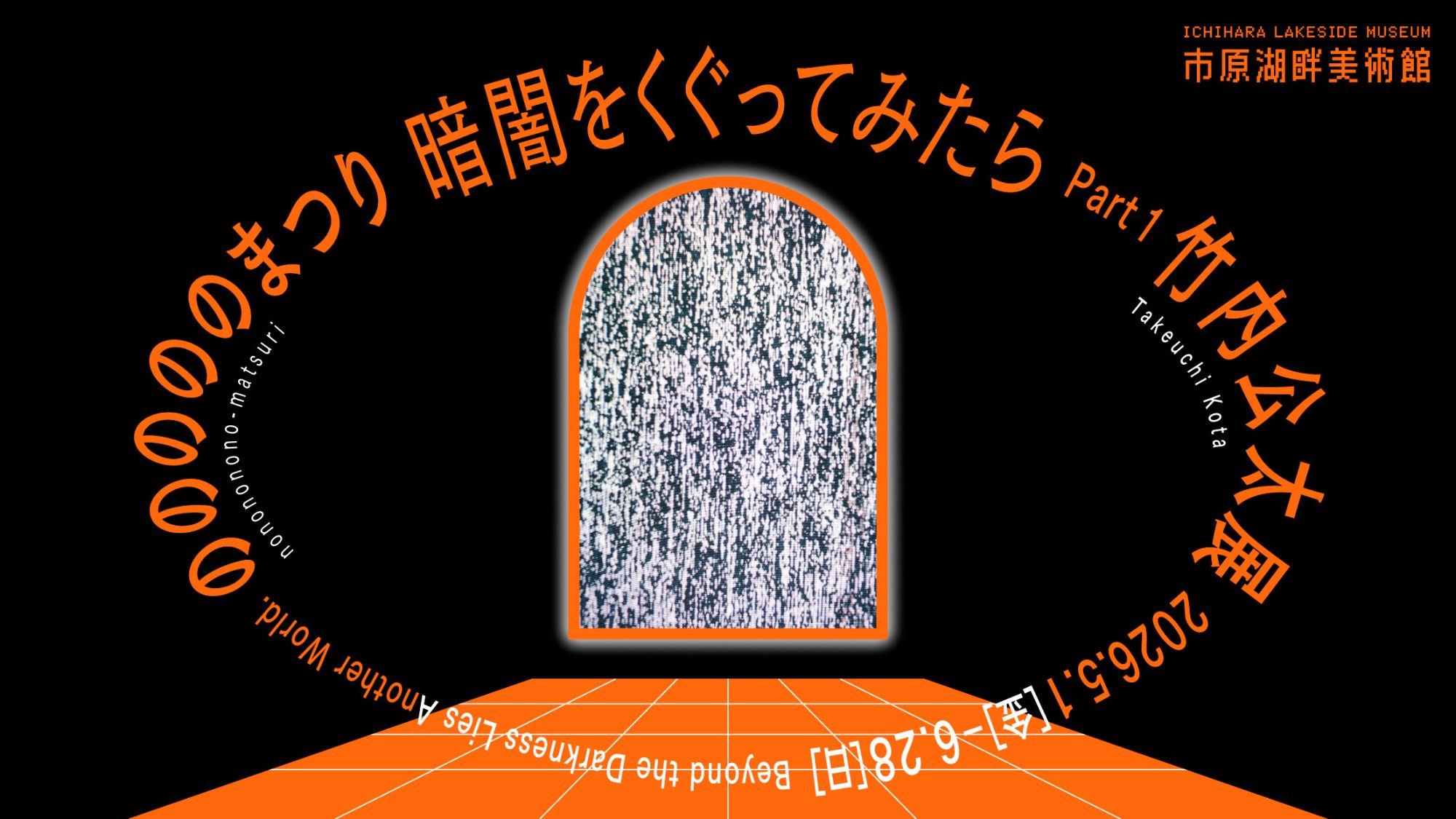
After Going Through the Darkness Part 1: Kōta Takeuchi Exhibition "Nononononomatsuri" @ Ichihara Lakeside Museum

暗闇をくぐってみたら Part1 竹内公太展「のののののまつり」@ 市原湖畔美術館

The Ichihara Lakeside Museum, currently under renovation since late 2025, will partially reopen on May 1, 2026, with a theater-style series of solo exhibitions titled "Kōta Takeuchi: Nononononomatsuri" as its first installment. Artist Kōta Takeuchi, born in 1982 in Hyogo Prefecture and based in Fukushima, presents new video installations created during a four-month residency in Ichihara, where he visited over 70 stone monuments across the city—including horse-headed Kannon statues, Koyasu statues, and war memorials—to explore themes of parallel bodies and possession. The exhibition features works such as "Disassembly of the Sansha-za" (2013–2023), "Cement Thief" (2024), and "Sigh of the Ground" (2022), with a map showing the locations of the documented stone monuments.

huge olmec heads mesoamerica 2630189

A farmer in southern Mexico discovered the first Olmec head in the late 1850s while clearing land for corn cultivation. Since then, 17 colossal stone heads have been unearthed, primarily at the San Lorenzo Tenochtitlan archaeological site in Veracruz. Carved by the Olmec civilization between 1200 and 400 B.C.E., these basalt monuments range from 3.5 to 11.5 feet tall and weigh up to 45 tons. Each head features unique facial expressions and is thought to depict individual Olmec rulers, possibly serving as funerary monuments. The heads are now held by institutions such as the National Museum of Anthropology in Mexico City and the Xalapa Museum of Anthropology.