filter_list Showing 4 results for "the death of cleopatra" close Clear
search
dashboard All 4 museum exhibitions 2article culture 1article news 1
date_range Range Today This Week This Month All
Subscribe

30 Iconic Feminist Works By Women Artists

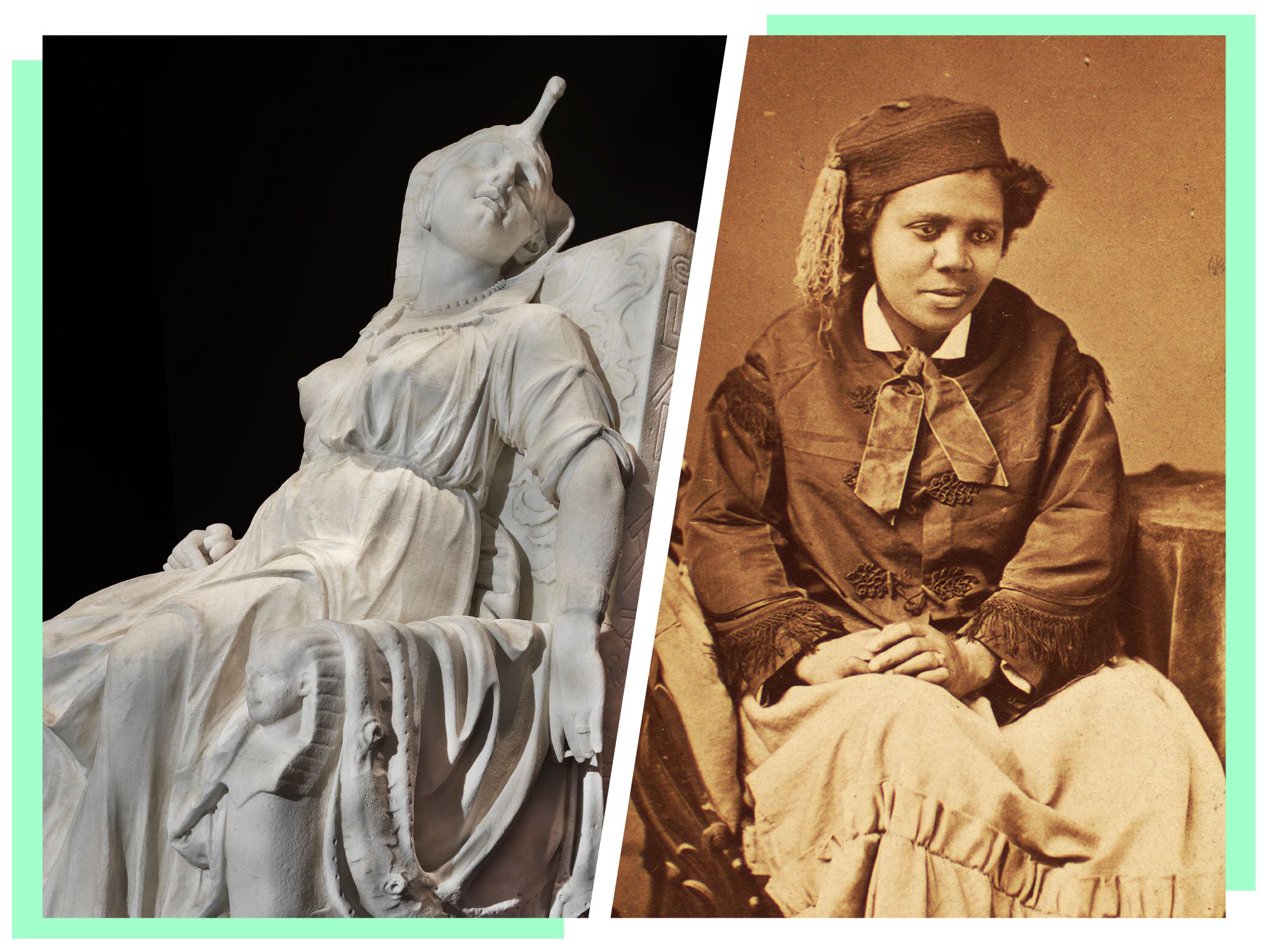
ARTnews has expanded its list of iconic feminist works by women artists, adding 15 new entries to a previous selection. The article highlights specific pieces, such as Edmonia Lewis's *The Death of Cleopatra* (1876), Mary Cassatt's *The Reader* (1877), and Alice Pike Barney's *Medusa* (1892) and *Lucifer* (1902), providing historical context for each artist and their contribution to feminist discourse through art.
The Incredible Story of Edmonia Lewis, America’s First Black and Indigenous International Art Star

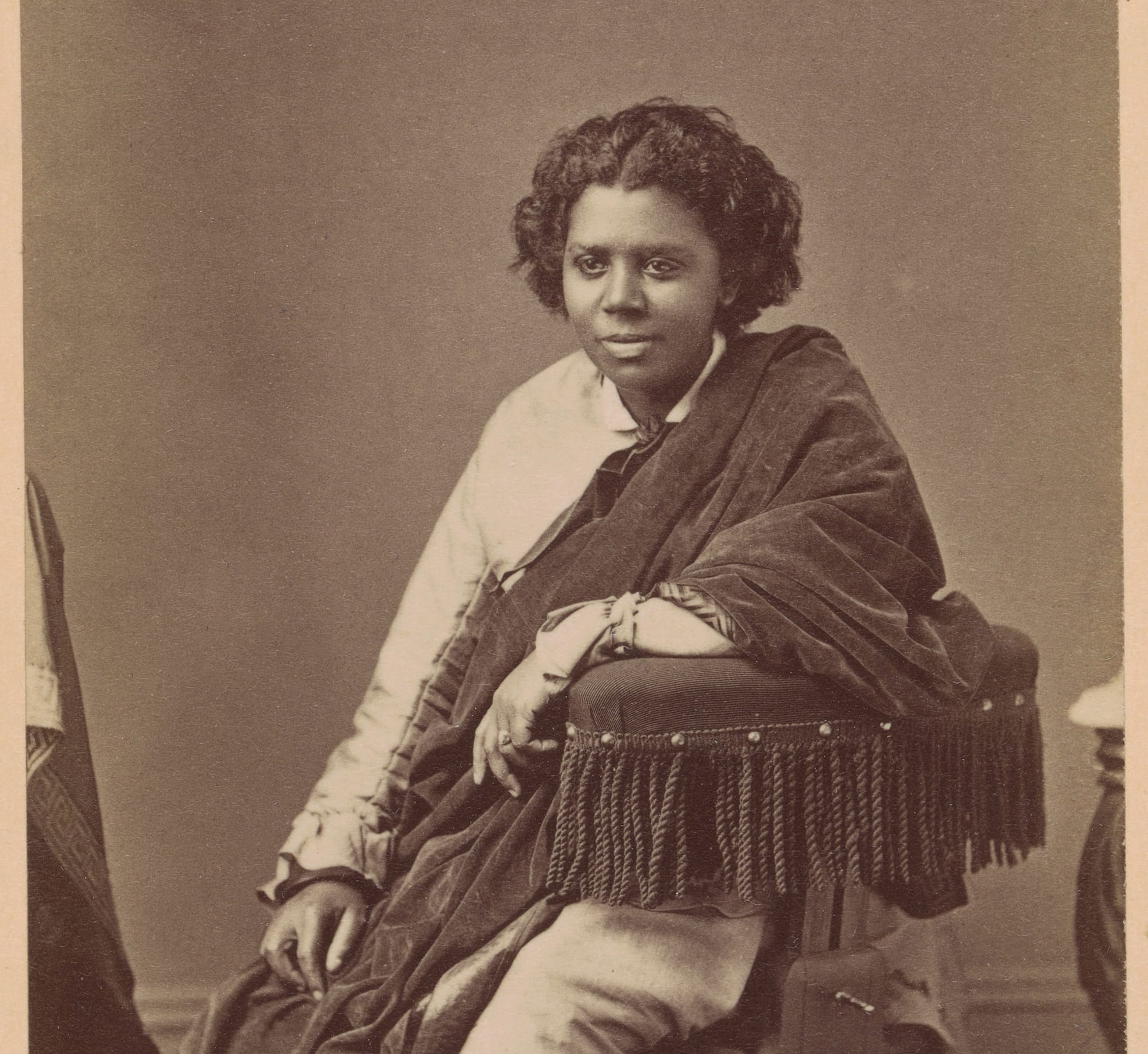
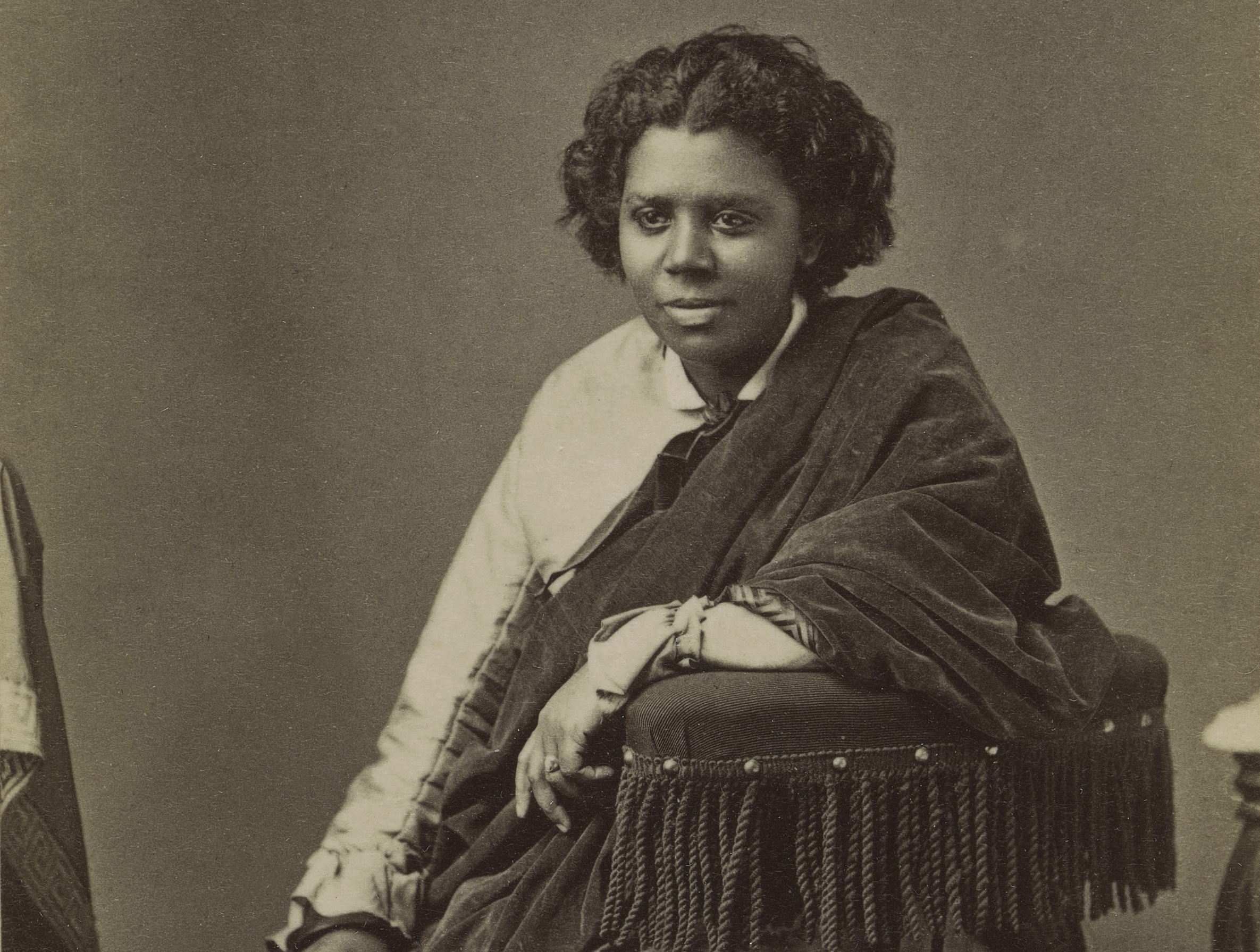
The Peabody Essex Museum has launched "Edmonia Lewis: Said in Stone," the first-ever retrospective dedicated to the 19th-century sculptor who was the first Black and Indigenous American artist to achieve international fame. Curated by Shawnya L. Harris and Jeffrey Richmond-Moll, the exhibition is the culmination of seven years of research and detective work to locate surviving marble sculptures and archival fragments. The show tracks her journey from her early life as "Wildfire" to her education at Oberlin College and her eventual professional success in Boston and Rome.

the hunt edmonia lewis death of cleopatra statue

Edmonia Lewis’s monumental marble sculpture, 'The Death of Cleopatra', debuted to massive acclaim at the 1876 Centennial Exhibition in Philadelphia before vanishing into a bizarre century-long obscurity. After failing to sell, the two-ton masterpiece transitioned from Chicago saloons to a racetrack—where it served as a grave marker for a horse—and eventually sat neglected at a shopping mall construction site, exposed to vandalism and the elements.

The Invincible Spirit of Edmonia Lewis

The Peabody Essex Museum in Salem, Massachusetts, has opened "Edmonia Lewis: Said in Stone," the first major retrospective of the 19th-century sculptor Edmonia Lewis, who was of Black and Indigenous (Mississauga-Tuscarora) descent. The exhibition displays 30 of her Neoclassical white marble sculptures alongside archival materials and works by other artists, organized into four thematic rooms that explore antislavery, Indigenous artistic worlds, her studios in Rome, and religion and mythology. Co-organized with the Georgia Museum of Art, the show emphasizes Lewis's dual heritage without conflating the two identities, featuring extensive text and quotes from the artist herself.